How to Prune Satin pothos?
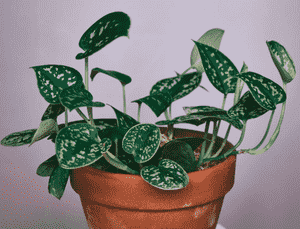
Distinguished by its plush, cordate foliage adorned with silvery markings, satin pothos flourishes with consistent trimming to foster denser development. Essential methods involve shortening elongated stalks directly above leaf junctions and discarding discolored or impaired leaves. The most effective time for pruning is during its vigorous growth phase, from early spring through late autumn. Refrain from excessive trimming, as this can cause stress to satin pothos. Pruning aids the plant by improving its visual attractiveness and supporting strong well-being.
What Are the Benefits of Pruning Satin Pothos?
What Are the Benefits of Pruning Satin Pothos?
Trimming satin pothos promotes robust development and maintains its desired shape. Regular cutting helps eliminate overgrown tendrils, fostering a denser, healthier plant that thrives indoors.
What Is the Best Time for Pruning Satin Pothos?
What Is the Best Time for Pruning Satin Pothos?
These periods are considered ideal as satin pothos's growth is most active then, allowing the plant to recover quickly from any cuts made during trimming. Pruning in early spring stimulates a strong growth response as the plant emerges from its dormant winter phase. It also provides the plant time to develop new growth before the peak growing season. Pruning in late fall permits the removal of any leggy or sparse growth after the main growth cycle, without risking new growth that could be harmed by winter temperatures. By avoiding winter, the plant is not jeopardized when it is more susceptible due to slower healing and potential cold damage. Furthermore, satin pothos lacks significant flowering or fruiting periods that would dictate alternative pruning times.
What Tools Do I Need to Prune Satin Pothos?
Precision Pruning Shears
For accurate cuts on satin pothos, a small plant with delicate stems, precision pruning shears are perfect. Their sharp blades can cleanly snip through stems, causing less harm and encouraging healthier regrowth.
Micro-Tip Snips
These are designed for detailed work and can navigate through dense foliage, making them ideal for trimming satin pothos's vining structure without disturbing nearby leaves.
Disinfected Tools
Keeping pruning tools sanitized is vital for satin pothos to prevent disease spread. Use a bleach or rubbing alcohol solution to wipe down blades before and after use.
Gloves
Wearing gloves while pruning satin pothos is beneficial for protecting your hands from sap, which some individuals might find irritating, and for maintaining a firm grip on the tools.
How to Prune Satin Pothos
Step1: Identify Pruning Areas
Pinpoint the sections of satin pothos that require trimming. Look for yellowed leaves and withered branches that indicate dead or dying growth.
Step2: Sanitize Pruning Tools
Disinfect your pruning tools with rubbing alcohol or a bleach solution to prevent disease transmission while trimming satin pothos.
Step3: Trim Yellow Leaves at Base
Start with the yellowed leaves. Using sharp, clean scissors, make precise cuts at the base of the yellow leaves where they connect to the main stem or branch.
Step4: Cut Withered Branches Above Nodes
When addressing withered branches, locate a healthy nodeâa point on the stem where leaves are attached. Cut approximately 1/4 inch above this node at a 45-degree angle, ensuring the angle faces away from the node to allow water to drain from the cut surface.
Step5: Prune Sparingly to Preserve Foliage
Trim sparingly, removing only the affected areas to maintain as much of satin pothos's foliage as possible. This helps preserve the plant's appearance and ensures not to shock the plant by removing too much growth at once.
Step6: Dispose of Pruned Material
After trimming the specified areas, discard the removed material to prevent potential pest or disease spread.
Step7: Sterilize Tools Post-Pruning
Clean your tools again after pruning to maintain their sterility for future use.
Step8: Monitor Plant for Post-Pruning Stress
Observe satin pothos post-pruning for any signs of stress and ensure proper care by providing suitable light conditions, watering, and humidity.
Post-Pruning Care for Satin Pothos
Post-Pruning Care for Satin Pothos
After trimming satin pothos, immediately water the soil to aid recovery. Ensure it resides in moderate, indirect light and maintain humidity around 60% to prevent stress. Keep temperatures between 65-75°F. Wait a month before fertilizing to avoid burning delicate growth. Monitor the trimmed areas for discoloration or wilting as signs of stress or infection. If signs are present, adjust care and consult a horticulturist if necessary. Regularly check for new growth to assess plant health.
Common Pruning Mistakes with Satin Pothos
Avoid Over-Pruning to Prevent Plant Stress
Excessive pruning, which can stress satin pothos and lead to poor growth or plant shock.
Use Sharp, Clean Tools to Avoid Stem Damage
Using dull or dirty gardening tools which can harm the stems of satin pothos and introduce disease.
Assess Plant Health Before Pruning to Preserve Vigor
Trimming without evaluating the plant's health and structure which may result in the removal of too many healthy leaves or stems, negatively impacting satin pothos's appearance and vigor.
Common Pruning Tips for Satin Pothos
Sharp, Clean Cuts Promote Health and Reduce Stress
Utilize sharp, clean pruning shears or scissors to make precise cuts on satin pothos, which will help prevent disease and minimize stress to the plant.
Prune Above a Leaf Node to Encourage Growth
Trim back to just above a leaf node on the stem of satin pothos, as this encourages new growth from that point.
Remove Damaged Foliage, Limiting Pruning Extent
Remove any yellowed, damaged, or dead leaves and stems from satin pothos to maintain plant health and aesthetics, being careful not to remove more than 1/4 to 1/3 of the plant at a time.



