How to Prune Blue moor-grass?
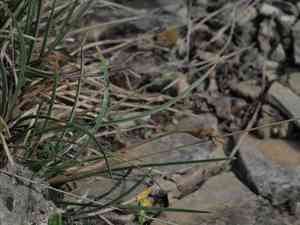
This enduring grass, recognized for its slender blue-green blades and shimmering purple inflorescences, flourishes with infrequent trimming. The ideal time for pruning blue moor-grass is in early spring or during the winter months. Eliminate deceased leaves at the plant's base and snip off spent flower stalks to stimulate fresh development. Trimming fosters thicker foliage and preserves a neat look. Strategic seasonal timing guarantees the plant's vitality is channeled towards robust spring regrowth and blooming.
What Are the Benefits of Pruning Blue Moor-grass?
What Are the Benefits of Pruning Blue Moor-grass?
Trimming blue moor-grass promotes robust development and helps preserve its desired form, ensuring a thick, appealing clump. Removing old foliage revitalizes the plant and supports strong new growth.
What Is the Best Time for Pruning Blue Moor-grass?
What Is the Best Time for Pruning Blue Moor-grass?
Trimming blue moor-grass in early spring is optimal as the plant emerges from dormancy and begins its growth cycle. Pruning at this time prepares blue moor-grass for vigorous spring growth, allows shaping, and removes winter-damaged or dead foliage without affecting new growth. Late winter pruning is also suitable, minimizing frost damage to fresh cuts and encouraging a healthier start to the growing season.
What Tools Do I Need to Prune Blue Moor-grass?
Hand Pruners
Ideal for clipping individual blades or stems of blue moor-grass, which are relatively slender and do not require heavy-duty equipment.
Gardening Shears
Perfect for giving blue moor-grass a more uniform and defined shape, ensuring neat, controlled cuts, especially for trimming foliage en masse during its active growing season.
Gardening Gloves
Protect the gardener's hands from sharp edges of blue moor-grass foliage and provide a better grip on pruning tools.
How to Prune Blue Moor-grass
Sterilize tools
Ensure all pruning implements are disinfected before use to prevent the spread of disease to blue moor-grass.
Remove diseased
Carefully identify and eliminate any diseased leaves from blue moor-grass using sharp scissors or pruning shears, cutting them at the base without harming healthy tissue.
Trim withered
Cut back withered leaves to the base of blue moor-grass to encourage healthy growth and improve air circulation around the plant.
Clean debris
After pruning, clear away all removed foliage from around blue moor-grass to minimize the risk of disease and pest infestation.
Inspect plant
Perform a final check of blue moor-grass to ensure no diseased or withered leaves have been missed and that the plant's overall shape is natural and tidy.
Common Pruning Mistakes with Blue Moor-grass
Overpruning
Removing excessive foliage from blue moor-grass can weaken the plant, making it vulnerable to diseases or reducing its resilience.
Improper cut locations
Cutting blue moor-grass in the wrong spot can lead to damage. Cuts should be made above leaf nodes to promote healthy regrowth.
Using dull tools
Blunt pruning tools may result in jagged cuts and increase the likelihood of disease and stress in blue moor-grass.
Neglecting deadheading
Failing to remove spent flowers from blue moor-grass can prevent the plant from encouraging new blooms.
Ignoring plant form
Not considering the natural shape of blue moor-grass can result in an unbalanced and unnatural appearance after pruning.
Pruning too short
Cutting blue moor-grass back too severely can impair the plant's ability to photosynthesize and affect its overall health.
Common Pruning Tips for Blue Moor-grass
Sharp tools
Utilize sharp, clean pruning shears to make precise cuts, which will help blue moor-grass heal more quickly and reduce disease risk.
Selective pruning
Prune blue moor-grass selectively, removing only dead or diseased tissue and preserving as much of the living grass as possible to maintain vigor.
Deadheading
Blue moor-grass benefits from deadheading, the process of removing spent flowers to encourage further blooming.
Maintenance pruning
Perform regular maintenance pruning on blue moor-grass, which involves removing a small proportion of the plant to stimulate new growth and maintain shape.
Natural shape maintenance
Prune blue moor-grass in a way that maintains its natural mound shape without drastically altering its form.
Post bloom pruning
After blue moor-grass flowers, it is safe to prune clumps to remove spent blooms and stimulate a tidy growth habit.



