How to Prune Cup plant?
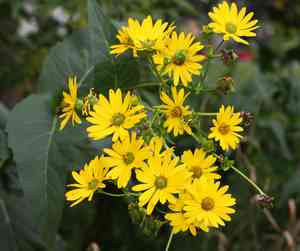
Originating from North America, Silphium perfoliatum is recognized for its elevated height and unique cup-shaped foliage that collects moisture. Trim Silphium perfoliatum in the spring to foster a denser habit or in the summer to regulate its dimensions and form. Sever any lifeless or frail stalks at their base and detach faded blossoms to stimulate fresh flowering and inhibit self-propagation. Strategic cutting can improve airflow, lessen the chance of illness, and manage the expansion of this robust species throughout the landscape.
What Are the Benefits of Pruning Cup Plant?
What Are the Benefits of Pruning Cup Plant?
Trimming cup plant promotes vigorous development and maintains its form. Strategic cuts encourage dense foliage and a compact structure, enhancing the plant's health and visual appeal.
What Is the Best Time for Pruning Cup Plant?
What Is the Best Time for Pruning Cup Plant?
Late Spring and Early Summer are optimal for pruning cup plant for several reasons. During this period, the plant has emerged from winter dormancy, and the initial growth phase allows gardeners to shape the plant and remove any dead or damaged tissue without causing stress. Pruning before the peak summer growth ensures that cuts heal rapidly, reducing disease risk. Additionally, trimming at this time supports healthier, more controlled growth throughout the upcoming season, directing the plant's energy towards producing strong stems and foliage. Since cup plant blooms in late summer, pruning earlier in the season avoids removing flower buds, preserving the plant's ability to flower and provide ecological benefits to pollinators.
What Tools Do I Need to Prune Cup Plant?
Bypass pruners
Perfect for making precise cuts on cup plant's smaller stems and leaves without crushing them.
Lopping shears
Useful for cutting through cup plant's thicker stems or branches that bypass pruners cannot manage.
Pruning saw
Essential for cup plant's mature stems and larger branches too thick for lopping shears.
Pruning gloves
Protects hands from cup plant's sap and rough edges during pruning.
Garden shears
Helpful for quickly shaping and trimming cup plant's foliage.
Step ladder
Allows safe access to cup plant's taller stems when performing pruning tasks.
How to Prune Cup Plant
Cleaning
Before pruning cup plant, ensure all tools are clean and sharp to minimize disease transmission and facilitate cleaner cuts, aiding faster plant healing.
Identification
Locate old and damaged stems on cup plant. Old stems are typically woody with fewer leaves, while damaged stems may show discoloration, pest signs, or physical injury.
Cutting Angle
Cut identified stems at a 45-degree angle, approximately a quarter inch above a bud or branching point. This angle promotes water runoff and reduces the likelihood of disease affecting cup plant.
Depth
Trim old and damaged stems down to the base of cup plant, but be careful not to cut into the main stem or crown to minimize stress and potential harm.
Clean Up
Remove all cuttings from around cup plant's base to prevent mold growth and deter pests that might feed on decaying plant material.
Common Pruning Mistakes with Cup Plant
Overpruning
Removing too much foliage or too many stems at once can stress cup plant and reduce its ability to photosynthesize effectively.
Blunt Tools
Using dull pruning tools can result in jagged cuts that harm cup plant and make it vulnerable to disease.
Tearing Stems
Tearing or ripping stems instead of making a clean cut can damage cup plant's vascular system, hindering proper nutrient and water transport.
Pruning Healthy Growth
Unnecessarily cutting away healthy growth can impede cup plant's natural shape and vigor.
Ignoring Damaged Limbs
Failure to remove damaged or diseased limbs can lead to further infection and compromise cup plant's overall health.
Common Pruning Tips for Cup Plant
Clean Cuts
Ensure you use sharp, sterilized pruning shears to make clean cuts that heal quickly, minimizing stress on cup plant.
Selective Pruning
Focus on removing only dead or damaged growth, and thin out dense areas to improve air circulation and light penetration within cup plant's interior.
Consider Growth Pattern
Understand cup plant's growth pattern to effectively shape the plant and maintain its natural appearance.
Harmful Insect Check
Before pruning, check for beneficial insects that cup plant may attract and host, to avoid disrupting these helpful relationships.
Post-Pruning Care
After pruning, provide cup plant with sufficient water and consider applying a balanced fertilizer to support recovery and new growth.



