How to Prune Eggplant?
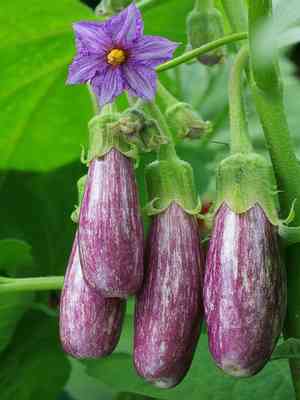
This heat-loving, violet-colored solanaceous plant flourishes in abundant sunlight. For eggplant, trim to cultivate a robust, singular stalk by detaching basal shoots and suckers. Perform minor trimming from mid-spring through late summer to boost air movement and lessen the chance of illness. Pinch back the apical growth to foster a denser form and eliminate surplus blossoms for bigger produce. The advantages of pruning encompass increased harvests, enhanced fruit dimensions, and extended plant lifespan.
What Are the Benefits of Pruning Eggplant?
What Are the Benefits of Pruning Eggplant?
Trimming eggplant is vital for ensuring robust plant development by eliminating competing shoots, fostering a strong structure conducive to fruit production. Regular pruning maintains size and form, boosting overall plant health and yield.
What Is the Best Time for Pruning Eggplant?
What Is the Best Time for Pruning Eggplant?
Mid-spring is an optimal period to prune eggplant as the threat of cold damage has passed, and the plant is commencing its active growth phase. Pruning at this time stimulates new growth, improves air circulation, and shapes the plant for better sun exposure, all crucial for eggplant's health and productivity. Trimming in late summer is advantageous as it allows for the removal of old or unproductive stems, encouraging the plant to direct its energy towards fruit development. It also aids in pest control and disease prevention by eliminating potential infestations hidden in overgrown areas. These seasons align with eggplant's growth cycle and the critical stages of flowering and fruiting, ensuring the plant's energy is dedicated to producing a plentiful harvest.
What Tools Do I Need to Prune Eggplant?
Bypass Hand Pruners
Perfect for cutting through the soft, green stems of eggplant without crushing plant tissue. Ensures clean cuts for healthier plant recovery.
Gloves
Hand protection when pruning eggplant, as the plants can have spiky stems.
Pruning Saw
Required for older eggplant plants with thicker, woodier stems that are too large for hand pruners.
Garden Scissors
Useful for precise pruning of eggplant's smaller branches and for removing any diseased or dead foliage.
Loppers
Offer extended reach and leverage for pruning larger stems and branches of eggplant that are beyond hand pruner capabilities.
Disinfectant
For cleaning pruning tools between cuts to prevent disease spread in eggplant.
How to Prune Eggplant
Step1: Tool Sterilization
Sanitize your pruning tools. Clean and disinfect pruning shears or scissors to prevent the spread of disease. A solution of 1 part bleach to 9 parts water is effective for sterilizing your tools.
Step2: Yellow Leaf Removal
Remove yellow leaves from eggplant. Gently pull any loose yellow leaves off the plant or use your shears to cut them at the base, close to the main stem, ensuring a clean cut without tearing.
Step3: Dead Branch Pruning
Prune withered branches from eggplant. Identify branches that are dead or dying. Cut them off at their base, making the cut just above a healthy leaf or bud to promote growth. Remove branches that are crossing or growing inward, to maintain open airflow and sunlight penetration.
Step4: Sucker Pinching
Pinch off suckers on eggplant. Find the small shoots or 'suckers' that grow in the crotch between the main stem and branches. Pinch these with your fingers or snip them with your shears to redirect energy into fruit production and main branch growth.
Step5: Plant Shaping
Shape eggplant for optimal growth. After removing unnecessary foliage, assess the plant's shape. Ensure eggplant has a balanced structure that allows light to reach all parts of the plant, promoting even growth and fruiting.
Step6: Trimmed Parts Disposal
Dispose of trimmed parts properly. Place all removed yellow leaves, withered branches, and suckers in a compost bin if they are disease-free. If there are signs of disease, dispose of them with household waste to avoid contamination of the compost pile.
Step7: Post-Pruning Watering
Water eggplant after pruning. This helps the plant recover and settle after the pruning process. Water at the base, avoiding the leaves to reduce the risk of fungal diseases.
Step8: Post-Pruning Monitoring
Monitor eggplant after pruning. Keep an eye on the plant for signs of stress or disease, and ensure it has adequate water, nutrients, and sunlight for healthy regrowth.
Post-Pruning Care for Eggplant
Post-Pruning Care for Eggplant
Immediately after pruning eggplant, ensure clean cuts to prevent disease. Optimal recovery requires a warm environment with temperatures between 70-85°F, moderate humidity, and indirect sunlight. Increase watering frequency to maintain slightly moist soil, avoiding waterlogging. Apply a balanced fertilizer to replenish nutrients and boost growth. Monitor eggplant for wilting or discolored leaves indicating stress or infection. If signs occur, adjust care and consult a horticulturist for potential treatments.
Common Pruning Mistakes with Eggplant
Avoid excessive leaf and branch removal
Over-pruning, which entails removing too many leaves or branches, can result in reduced fruiting and a weakened eggplant.
Delay pruning until plant is established
Pruning too early before the eggplant is well-established can stunt growth and lead to poor yield.
Respect plant's natural growth shape
Ignoring the natural growth habit of eggplant by attempting to train it into an unsuitable shape can lead to structural issues and inhibit proper fruit development.
Prevent main stem damage and disease
Cutting too close or into the main stems may introduce disease or damage the eggplant, impeding its ability to transport nutrients effectively.
Sterilize tools to prevent disease spread
Not sterilizing pruning tools between plants can spread disease, putting the eggplant and other garden plants at risk.
Common Pruning Tips for Eggplant
Use sharp shears for clean cuts
Use clean, sharp pruning shears to make precise cuts and minimize damage to the eggplant's tissue, which can otherwise become entry points for pests and diseases.
Prune for open center structure
Prune the eggplant to maintain an open center, which improves light penetration and air circulation, thus reducing the risk of fungal diseases.
Remove suckers to focus energy
Remove suckers, which are shoots growing from the base or roots of the eggplant, to direct energy towards fruiting branches.
Trim off diseased or damaged foliage
Trim off diseased or damaged foliage as soon as it's noticed to prevent the spread of illness and avoid additional stress on the eggplant.
Thin dense branches for larger fruits
Thin out dense branches selectively to encourage larger fruits and ensure the eggplant isn't expending energy on too many fruits simultaneously.
Prune main stem after fruit set
Cut back the tip of the main stem once the eggplant has set the desired number of fruits to concentrate the plant's energy on fruit development rather than vegetative growth.



