How to Prune Silverrod?
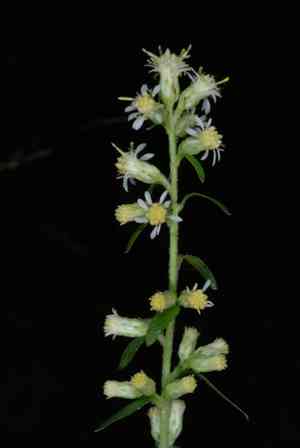
This enduring herbaceous plant is recognized for its robust stems and the emergence of light yellow blossoms in late summer. To effectively prune silverrod, remove withered or faded flower stems; this practice fosters a neat growth pattern and may lead to further flowering. The most suitable time for pruning is in spring or early summer, coinciding with the plant's developmental phase following its winter rest. Judicious trimming can also stimulate fresh development, boosting the plant's vitality and aesthetic value.
What Are the Benefits of Pruning Silverrod?
What Are the Benefits of Pruning Silverrod?
Trimming silverrod promotes vigorous development by eliminating dead or infected branches, thereby preventing potential disease transmission. Strategic pruning helps maintain its desired shape, improving both the plant's vitality and visual appeal.
What Is the Best Time for Pruning Silverrod?
What Is the Best Time for Pruning Silverrod?
Silverrod, as a perennial herbaceous plant, follows a seasonal growth pattern where it emerges in spring, blooms in late summer, and becomes dormant in winter. Pruning in late spring after flowering aids in removing spent blossoms and may encourage a second bloom, while also allowing the plant time to regrow and store energy before autumn. Early summer pruning can also be done for shaping the plant and managing its size, ensuring good air circulation, and reducing disease risks. Since silverrod has already completed its initial growth spurt, pruning at this time avoids cutting back new growth and ensures the plant is not weakened before its dormancy period.
What Tools Do I Need to Prune Silverrod?
Hand Pruners
Suitable for cutting stems and small branches up to ½ inch in diameter. Silverrod has relatively soft stems that hand pruners can easily trim without causing damage.
Pruning Shears
Ideal for shaping and controlling the growth of silverrod, as they provide clean cuts and are convenient for clipping spent flowers and thin stems.
Gloves
Protect the gardener's hands from scratches and ensure a safe grip while pruning silverrod.
Garden Scissors
Useful for deadheading or precision trimming of silverrod, especially for reaching into denser foliage without causing unnecessary damage to surrounding stems.
How to Prune Silverrod
Disinfect
Before pruning silverrod, clean and disinfect your pruning tools to prevent the spread of disease. Use a solution of 1 part bleach to 9 parts water or rubbing alcohol to wipe down the blades.
Remove Diseased Leaves
Carefully inspect silverrod for diseased leaves. Using your disinfected pruning shears, snip the diseased leaves at the base where they join the stem. Ensure to remove only the affected leaves to avoid unnecessary stress to silverrod.
Remove Withered Leaves
Identify any withered or dead leaves on silverrod. Gently remove these by either snipping them at the base with your pruning shears or by hand if they come away easily. This will help promote healthy growth and air circulation.
Cut Diseased Stems
Examine silverrod for any stems that show signs of disease. Make clean cuts to remove these stems entirely, cutting back to a healthy section of the stem or to the base of the plant. Avoid tearing the plant's tissue to minimize damage.
Cleanup
Collect all removed diseased and withered leaves and stems from around silverrod and dispose of them in a way that will not contaminate compost or other garden areas. This will help prevent the spread of any diseases.
Common Pruning Mistakes with Silverrod
Over-Pruning
Removing too much foliage from silverrod, which can weaken the plant and reduce flowering. Itâs crucial to prune sparingly, focusing on dead or diseased stems and overgrowth.
Pruning Live Flowers
Cutting off live flowers during the growing season can hinder silverrod's ability to seed and spread. Gardeners should wait until flowering has ceased before pruning.
Neglecting Shape
Failing to consider silverrod's natural form when pruning may result in an undesired shape or uneven growth. Gardeners should aim to maintain an aesthetically pleasing and natural form.
Ignoring Diseased Stems
Overlooking or leaving diseased and damaged stems can lead to the spread of disease within silverrod. It's important to identify and remove unhealthy stems promptly.
Inadequate Tool Maintenance
Using dull or dirty pruning tools can damage silverrod's stems and introduce disease. Sharp, clean tools are imperative for clean cuts and disease prevention.
Common Pruning Tips for Silverrod
Identify Dead Stems
Locate and remove any dead, damaged, or diseased stems to promote healthy growth. This will help silverrod conserve energy for producing robust foliage and flowers.
Thin Out Overgrowth
Thin out dense areas to improve air circulation and light penetration, which are essential for reducing the risk of disease and encouraging uniform growth in silverrod.
Cut At An Angle
Make cuts at a 45-degree angle just above a leaf node or bud to encourage new growth in the desired direction and prevent water accumulation that could lead to rot.
Preserve Plant Structure
While pruning silverrod, maintain the natural shape by selectively cutting wayward branches. This will enhance the plant's aesthetic and support its structural integrity.
Sanitize Tools
Before and after pruning silverrod, clean and sanitize pruning tools to prevent the introduction or spread of pathogens. Isopropyl alcohol or a 10% bleach solution can be used for cleaning.



