How to Prune Canada goldenrod?
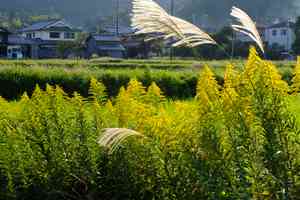
This enduring herbaceous species is recognized for its elevated, lignified stalks, crowned with vivid, golden floral arrangements. For canada goldenrod, trim the entire specimen in early spring to encourage fresh development. Throughout the latter part of summer, judiciously remove faded blossoms to foster additional flowering and inhibit self-propagation. Trimming encourages more abundant foliage and controls expansion. Exercise caution when pruning to preserve the plant's inherent structure and bolster indigenous ecosystems, given that canada goldenrod functions as a crucial wildlife sanctuary.
What Are the Benefits of Pruning Canada Goldenrod?
What Are the Benefits of Pruning Canada Goldenrod?
Trimming canada goldenrod promotes strong development and helps maintain its form. Eliminating old or lifeless stems encourages fresh growth and deters pests. Pruning also enables size management, ensuring canada goldenrod doesn't overcrowd other plants.
What Is the Best Time for Pruning Canada Goldenrod?
What Is the Best Time for Pruning Canada Goldenrod?
Pruning canada goldenrod in early spring allows for the removal of any winter-damaged foliage before new growth begins, reducing wasted energy on non-viable parts and redirecting it towards healthy growth. This timing also helps manage the plant's size and shape before its peak growing period. Late summer pruning is also suitable as it aligns with the end of canada goldenrod's blooming cycle, making it ideal for trimming and shaping without significantly affecting next season's blooms. Pruning during this period can also help prevent seed spread, crucial for controlling canada goldenrod's growth where it's invasive. Moreover, the plant has sufficient time to heal before colder weather, essential for overall health.
What Tools Do I Need to Prune Canada Goldenrod?
Hand Pruners
Perfect for snipping stems and small branches up to 3/4 inches in diameter. Canada goldenrod often has many stems easily managed with these.
Pruning Shears
These are useful for shaping canada goldenrod and managing its spread. Their precise blades make clean cuts vital for the plant's health.
Loppers
Good for reaching deeper or higher into canada goldenrod clumps where hand pruners can't easily access. They handle thicker stems, up to 1 and 1/2 inches.
Pruning Saw
A fine-toothed pruning saw is essential when dealing with mature and woody stems of canada goldenrod that are too thick for loppers.
Gloves
Protective gloves are necessary to keep hands safe from the plant's rough texture and ensure a secure grip on tools.
Garden Fork
Useful for dividing canada goldenrod clumps, as it’s a perennial that can be propagated by division. The garden fork helps in lifting the plants without causing extensive root damage.
How to Prune Canada Goldenrod
Step1: Identifying Dead Stems
Identify dead stems on canada goldenrod by looking for sections that are brown, brittle, and void of leaves or living tissue. Dead stems should be removed to prevent disease and encourage healthy growth.
Step2: Cutting Dead Stems at Base
Use clean, sharp pruning shears to make precise cuts on dead stems. Cut the stems at the base, as close to the ground as possible, to promote new growth from the root system.
Step3: Spotting Weak Shoots
Locate weak shoots on canada goldenrod that appear spindly or underdeveloped compared to the rest of the plant. Weak shoots may not support flowers well and can detract from the plant's overall vigor.
Step4: Pruning Weak Shoots
Prune the identified weak shoots by cutting them back to a main stem or to the base of the plant. This will redirect energy to stronger shoots and promote a more robust form.
Step5: Removing Old Flowers
Examine canada goldenrod for old flowers that have faded or gone to seed. Removing old flowerheads can prevent unwanted self-seeding and may stimulate a second bloom.
Step6: Snipping Faded Flowerheads
Snip off the old flowers just below the flower head, taking care not to damage new buds or shoots that may be emerging nearby.
Step7: Disposing of Pruned Material
After completing the pruning process, dispose of the removed plant material properly to reduce the chance of disease spread among your garden plants.
Step8: Watering after Pruning
Water the canada goldenrod adequately after pruning to help reduce stress on the plant and to encourage new growth.
Step9: Monitoring for New Growth
Monitor canada goldenrod following pruning for signs of new growth. Proper pruning should result in a healthier plant with more robust flowering in the following season.
Post-Pruning Care for Canada Goldenrod
Post-Pruning Care for Canada Goldenrod
Immediately after pruning canada goldenrod, water thoroughly to alleviate pruning stress. Maintain slightly moist soil without waterlogging. Ensure canada goldenrod receives full sun to partial shade and protect from extreme temperatures. Apply a balanced fertilizer to promote recovery and new growth. Monitor canada goldenrod for wilted or discolored leaves as signs of distress. Upon any sign of infection, such as unusual spotting or decay, promptly use a recommended fungicide or pesticide. Regularly check for robust growth as an indicator of successful post-pruning recovery.
Common Pruning Mistakes with Canada Goldenrod
Overly Aggressive Cutting
Cutting too aggressively which can stress canada goldenrod and reduce its ability to thrive and propagate.
Ignoring Plant's Natural Shape
Pruning uniformly without considering the natural shape of canada goldenrod, potentially leading to an unnatural appearance and inhibited growth.
Using Unsterilized Pruning Tools
Not disinfecting pruning tools before use, which may spread disease to canada goldenrod or between plants.
Removing Healthy Plant Tissue
Neglecting to remove only the dead or diseased parts of canada goldenrod, which can result in the unnecessary removal of healthy tissue that supports growth and flowering.
Common Pruning Tips for Canada Goldenrod
Deadhead Flowers to Boost Blooming
Remove spent flower heads of canada goldenrod after blooming to promote additional flowering and to prevent unwanted self-seeding.
Thin to Improve Air Circulation
Thin out crowded areas of canada goldenrod to improve air circulation, which can help prevent fungal diseases and encourage more robust growth.
Selective Cutting for Natural Growth
When cutting back canada goldenrod, make selective cuts to maintain its natural form and to encourage branching where desired.
Use Clean, Sharp Tools for Precision
Always use clean, sharp pruning tools to make precise cuts on canada goldenrod, which aids in quicker healing and less stress to the plant.
Cut Dead Stems for New Growth
Cut back dead stems of canada goldenrod to the ground in late winter or early spring to allow for new growth and maintain a tidy appearance.



