How to Prune Showy goldenrod?
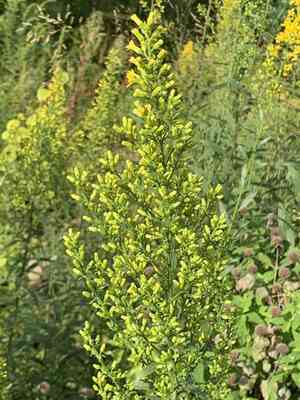
Distinguished by its lofty plumes of vivid yellow blossoms, showy goldenrod flourishes with little upkeep. Trimming ought to concentrate on removing faded flowers to stimulate additional blooming and reducing the plant by one-third in late autumn to foster compact development. Periodic pruning in spring and summer is advantageous for sculpting and managing stature. Eliminating up to fifty percent of the vegetation can revitalize the specimen, enabling it to sustain its brilliant presentation while simultaneously hindering self-propagation and dispersion.
What Are the Benefits of Pruning Showy Goldenrod?
What Are the Benefits of Pruning Showy Goldenrod?
Trimming showy goldenrod promotes more abundant blooms, stimulates vigorous development, and helps maintain its desired shape, ensuring a striking garden presence. Regular cutting is essential for showy goldenrod's vitality and visual appeal.
What Is the Best Time for Pruning Showy Goldenrod?
What Is the Best Time for Pruning Showy Goldenrod?
Pruning showy goldenrod from late winter to early spring is optimal as it prepares the plant for a strong growth period, with minimal impact on its health since it's still dormant. Summer pruning after flowering encourages healthy plant growth without sacrificing the current year's blossoms. In autumn, pruning helps remove dead or damaged parts and prevents disease and pest problems.
What Tools Do I Need to Prune Showy Goldenrod?
Hand Pruners
For removing spent flowers and stalks from showy goldenrod, sharp hand pruners are crucial. These allow for precise cuts that encourage healthy regrowth and maintain the plant's appearance.
Pruning Shears
To shape the plant and thin out dense areas, pruning shears are appropriate. The bypass type would cause less harm to the delicate stems of showy goldenrod.
Gardening Gloves
Although showy goldenrod typically lacks thorns, gloves are advised to protect hands from irritation or minor cuts when handling plant debris.
How to Prune Showy Goldenrod
Disinfect tools
Before starting, ensure all pruning tools are sanitized to prevent disease spread to showy goldenrod.
Remove disease
Carefully remove any diseased leaves from showy goldenrod by cutting them at the base where they meet the stem, being careful not to harm nearby healthy tissue.
Trim withered leaves
Trim away withered leaves from showy goldenrod to encourage new growth. Make cuts close to the stem, but be cautious not to damage emerging buds or new leaves.
Deadhead flowers
Deadhead withered flowers on showy goldenrod by cutting the flower stems back to the nearest set of leaves. This encourages continuous blooming and prevents unwanted self-seeding.
Clean up
After pruning showy goldenrod, remove all cuttings from the area to reduce disease and pest risk. Dispose of diseased material properly to avoid contaminating compost or other garden areas.
Common Pruning Mistakes with Showy Goldenrod
Overpruning
Removing too much foliage or too many stems at once can stress showy goldenrod, leading to reduced vigor and diminished bloom production.
Cutting at the wrong angle
Making cuts at improper angles can result in water accumulation on the cut surfaces, promoting rot and disease.
Leaving stubs
Failing to cut close enough to a bud or node can leave stubs that are susceptible to pests and decay.
Not sanitizing tools
Using dirty pruning tools can spread diseases between plants, which could potentially be harmful to showy goldenrod.
Neglecting to thin
Skipping the thinning of interior branches can lead to poor air circulation and light penetration, which is vital for overall plant health.
Common Pruning Tips for Showy Goldenrod
Sharp Tools
Use sharp, clean pruning shears to make clean cuts that will heal quickly, preventing disease entry and promoting a healthier showy goldenrod.
Proper Angle
Cut at a 45-degree angle just above a leaf node or bud to encourage new growth in the desired direction without damaging the plant.
Selective Thinning
Remove only the oldest and weakest stems to stimulate new growth and maintain an open, airy structure for better light and air penetration.
Judicious Pruning
Prune sparingly, focusing on dead or diseased growth, to maintain the natural shape and encourage a more robust bloom display.
Promoting New Growth
Encourage bushiness by pinching back young shoots early in the season, which will result in a fuller plant with more blooms.



