How to Prune White meadowsweet?
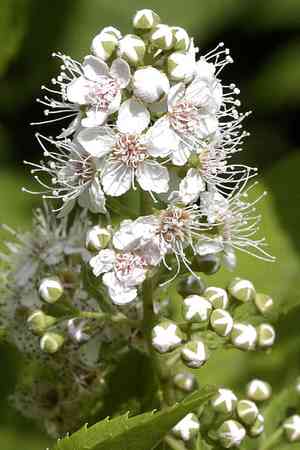
A shedding shrub recognized for its groupings of white blossoms and toothed foliage, white meadowsweet thrives with trimming to preserve its form and encourage vigorous development. Trim white meadowsweet once it has bloomed, usually in late spring or early summer, to prevent removing the following year's flower buds. Reduce older stems and eliminate any lifeless or excessively dense branches to improve air movement. This targeted trimming fosters abundant flowering and a sturdy, dense structure.
What Are the Benefits of Pruning White Meadowsweet?
What Are the Benefits of Pruning White Meadowsweet?
Trimming white meadowsweet promotes abundant blooms and strong vitality by eliminating old growth and improving air circulation, which deters pests and illnesses.
What Is the Best Time for Pruning White Meadowsweet?
What Is the Best Time for Pruning White Meadowsweet?
These periods coincide with white meadowsweet's post-flowering stage, as it typically blooms from spring to early summer. Pruning after the blooming cycle fosters healthy development and prepares the plant for the subsequent flowering season. It enables gardeners to shape the plant, remove any faded flowers, and encourage more robust, fuller growth the following year. Additionally, this timing helps prevent stress on white meadowsweet by avoiding bud removal during the flowering period. It also minimizes the risk of disease and pest infestation, as cuts heal faster during active growth. Late spring and early summer pruning ensures white meadowsweet has ample time to produce new growth before winter dormancy.
What Tools Do I Need to Prune White Meadowsweet?
Hand Pruners
Perfect for making precise cuts on white meadowsweet, hand pruners can be used to snip off dead or damaged stems and for shaping the plant.
Lopping Shears
Useful for cutting through thicker branches of white meadowsweet that hand pruners cannot manage, typically up to 1.5 inches in diameter.
Pruning Saws
For the largest branches of white meadowsweet, a pruning saw can make clean cuts without harming the plant.
Gardening Gloves
Protects hands from thorns and rough branches while pruning white meadowsweet.
Clean Cloth
Used to wipe blades clean after pruning white meadowsweet to prevent disease spread. An important preventative measure.
Disinfectant
Blades should be disinfected before moving to another plant after pruning white meadowsweet, to prevent cross-contamination.
How to Prune White Meadowsweet
Step1: Determine Appropriate Pruning Time
Sanitize your pruning tools with a 10% bleach solution or rubbing alcohol to prevent disease transmission.
Step2: Sterilize Pruning Tools
Identify and remove any dead wood. Look for branches that are broken, dry, and show no green when lightly scraped with your thumbnail.
Step3: Remove Dead Wood
Cut the dead wood back to living tissue, ensuring the cut is just above a live bud or a junction with a healthy branch. Use clean, angled cuts to promote water runoff and deter disease.
Step4: Make Clean Angled Cuts
Inspect the white meadowsweet for any diseased or damaged parts, which may include branches with unusual coloring, spots, or growth.
Step5: Identify Diseased or Damaged Parts
Trim away diseased parts by making cuts at least 3-5 inches into healthy tissue to ensure all diseased material is removed. Dispose of these parts to prevent spreading disease to other plants.
Step6: Cut Into Healthy Tissue
Shape the white meadowsweet lightly, if necessary, after removing dead or diseased wood. Make shaping cuts just above a set of leaves or facing outwards to encourage open growth and good air circulation through the white meadowsweet.
Step7: Shape the Plant
Clear all pruning debris from around the white meadowsweet to prevent any fungal spores or diseases from remaining in the area.
Step8: Clean Up Pruning Debris
Monitor white meadowsweet after pruning for any signs of disease or pest issues, and provide appropriate care to maintain the plant's health.
Post-Pruning Care for White Meadowsweet
Post-Pruning Care for White Meadowsweet
After pruning, white meadowsweet should be kept in well-draining soil with moderate moisture, avoiding waterlogging. Position white meadowsweet in an area with full sun to partial shade to aid recovery. Maintain a stable temperature and protect white meadowsweet from extreme conditions. Apply a balanced, slow-release fertilizer to support new growth. Monitor white meadowsweet regularly for wilt or discoloration, indicating stress or infection. If symptoms arise, adjust care and consult a plant disease guide for potential treatments.
Common Pruning Mistakes with White Meadowsweet
Over-pruning Leads to Weak Growth
Excessive pruning, which can stress white meadowsweet and lead to weak growth or reduced flowering.
Damaging Cuts on Woody Stems
Cutting into the woody part of old stems, potentially harming the plant and hindering future growth.
Using Dull or Dirty Pruning Tools
Using dull or dirty pruning tools, which can cause jagged cuts and introduce diseases to white meadowsweet.
Ignoring Dead or Diseased Branch Removal
Failing to remove dead, diseased, or crossed branches, which can negatively affect the overall health and appearance of white meadowsweet.
Pruning Against Plant's Natural Shape
Disregarding the natural shape of white meadowsweet when pruning, resulting in an unattractive plant silhouette.
Common Pruning Tips for White Meadowsweet
Clean, Sharp Tools for Healthy Cuts
Use clean, sharp tools to make precise cuts, which will help white meadowsweet heal quickly and reduce the risk of disease.
Prune to Enhance Natural Shape
Prune white meadowsweet to maintain its natural form, removing only the necessary stems and branches to enhance its beauty.
Partial Pruning for Reblooming
Remove only the spent flowers and the tips of the branches to encourage a second bloom and to keep white meadowsweet compact.
Thinning for Better Air Circulation
Focus on thinning out crowded areas to improve air circulation, which can prevent fungal diseases and promote healthy growth for white meadowsweet.
Angled Cuts Above Buds for Water Runoff
Make cuts at a 45-degree angle just above a bud, ensuring that the highest point of the cut is opposite the bud, allowing water to run off and reduce the likelihood of rot.



