How to Prune Baby's breath spirea?
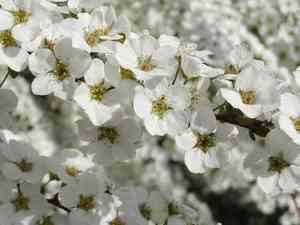
Valued for its early springtime blossoms and elegant, curving limbs, Spiraea thunbergii greatly benefits from appropriate trimming. The main objective is to thin out aged branches and eliminate deceased or frail stalks to boost vitality and bloom production. The optimal time for pruning is following its flowering period in late spring or early summer, preventing the removal of forthcoming buds. Meticulous shaping preserves its inherent structure while fostering fresh development. Pruning improves the shrub's thick, cascading look and its general well-being.
Advantages of Trimming Baby's Breath Spirea
Advantages of Trimming Baby's Breath Spirea
Trimming baby's breath spirea promotes abundant flowering and vigorous development, while decreasing the likelihood of pest infestations and illnesses. Strategic cuts revitalize the shrub, preserving its desired form and vitality.
Optimal Period for Pruning Baby's Breath Spirea
Optimal Period for Pruning Baby's Breath Spirea
Late spring and early summer are considered ideal for pruning baby's breath spirea, as this immediately follows their blooming cycle. Pruning during this window allows gardeners to shape the plant and encourage new growth without risking the removal of flower buds that form on old wood. This timing is crucial to prevent negatively impacting the plantâs flowering in the subsequent season. Furthermore, pruning during this active growth phase facilitates rapid wound healing and minimizes the chance of disease entry. The health of baby's breath spirea is better maintained when pruned during its active period, as it can more effectively recover and produce strong new branches that will bloom next season.
Required Tools for Pruning Baby's Breath Spirea
Hand Pruners
Perfect for making clean cuts on the slender, delicate stems of baby's breath spirea, typically under 1/2 inch thick. Bypass pruners are preferred for their scissor-like action, which reduces stem damage.
Loppers
Useful for reaching into the denser areas of baby's breath spirea to trim thicker branches that hand pruners cannot manage. They offer leverage for branches up to 1 and 1/2 inches in diameter.
Pruning Saw
Essential for removing any dead or diseased wood too thick for loppers. A fine-toothed pruning saw is best for baby's breath spirea, ensuring clean cuts without tearing bark.
Hedge Shears
Suitable for shaping baby's breath spirea if a formal hedge appearance is desired. Hedge shears allow for uniform trimming and shaping of the outermost growth.
Gloves
Protect hands from scratches and potential irritation when pruning baby's breath spirea, ensuring safety while handling tools and plant material.
Pruning Sealer
Though not a tool, applying pruning sealer to larger cuts can aid healing and prevent disease in baby's breath spirea.
Steps to Prune Baby's Breath Spirea
Step1: Pruning Timing
Timing: Start pruning baby's breath spirea in late winter or early spring before new growth begins. This is immediately after flowering has concluded if you wish to avoid cutting off flower buds, as baby's breath spirea blooms on old wood from the previous season.
Step2: Tool Sterilization
Tools: Utilize sharp, clean pruning shears or loppers. Sanitize the blades with a solution of 1 part bleach to 9 parts water to prevent disease transmission.
Step3: Dead Wood Removal
Initial Clean-up: Begin by removing any dead, damaged, or diseased wood. Cut these branches back to healthy tissue or to the plant's base. Ensure cuts are at a 45-degree angle to prevent water accumulation on the cut surface.
Step4: Plant Thinning
Thinning: Thin out the plant's center to improve air circulation. Remove some older stems to the ground to encourage new growth, while preserving the plantâs natural form.
Step5: Trimming Overgrown Stems
Cutting Long Leggy Stems: Identify long, leggy stems that disrupt the plant's shape. Trim these stems back by up to one-third of their length to a point just above a healthy bud or side branch.
Step6: Shaping the Plant
Shaping: After removing dead wood and long leggy stems, step back to assess the overall shape of baby's breath spirea. If needed, lightly shape the plant's exterior to maintain a natural appearance, avoiding boxy or rounded forms unless specifically desired.
Step7: Inspection and Touch-ups
Final Inspection: Clear any remaining cuttings from the plant's base to deter pests and diseases. Check for and perform any additional light trimming to ensure a balanced shape.
Step8: Debris Disposal
Cleanup: Dispose of all pruning debris to minimize the risk of disease. Do not compost diseased branches or leaves.
Step9: Post-Pruning Care
Aftercare: Water baby's breath spirea thoroughly after pruning to help alleviate plant stress. Apply a layer of mulch around the base to retain moisture and regulate soil temperature.
Care After Pruning Baby's Breath Spirea
Care After Pruning Baby's Breath Spirea
Following pruning of baby's breath spirea, immediately water the plant to help reduce stress. Place baby's breath spirea in an area with sufficient indirect light and ensure a stable temperature, avoiding extreme heat or cold. Maintain moderate humidity to aid recovery. Apply a balanced, slow-release fertilizer to supply essential nutrients, promoting healthy new growth. Regularly inspect baby's breath spirea for any signs of stress, such as wilting or discoloration, and indications of infection like unusual spots or degraded foliage. Promptly remove any affected parts and adjust care as needed.
Common Pruning Errors with Baby's Breath Spirea
Excessive Pruning Leads to Weak Growth and Fewer Flowers
Over-pruning baby's breath spirea can result in weak growth and reduced flowering. Removing more than one-third of the branches at once can stress the plant.
Incorrect Pruning on Old Wood Prevents Regrowth
Pruning into old, woody stems without leaving any new growth can lead to poor or no regrowth, as baby's breath spirea flowers on new wood.
Failure to Remove Dead/Diseased Wood Harms Plant Health
Neglecting to remove dead or diseased wood can lead to further decay and hinder the overall health of baby's breath spirea.
Indiscriminate or Improper Angle Cuts Damage Plants
Cutting branches haphazardly or at incorrect angles can cause damage to baby's breath spirea and leave it susceptible to disease.
Ignoring Plant's Natural Shape Leads to Unnatural Growth
Disregarding the natural shape and growth habit of baby's breath spirea can result in an unnatural appearance or uneven growth.
General Pruning Advice for Baby's Breath Spirea
Remove Dead/Diseased Branches to Protect Plant Health
First, identify and remove any dead, diseased, or damaged branches to maintain the health of baby's breath spirea and prevent pathogen spread.
Use Sharp Tools for Clean Cuts at a 45-Degree Angle
Make clean cuts at a 45-degree angle using sharp pruning tools to avoid tearing branches and promote rapid healing for baby's breath spirea.
Thin Crowded Areas for Better Light and Air Circulation
Thin out congested areas to enhance light penetration and air circulation, which can reduce disease risk and encourage robust growth in baby's breath spirea.
Prune to Maintain baby's breath spirea's Natural Form and Direction
Preserve the natural form of baby's breath spirea by selectively pruning wayward or excessively long branches back to a side shoot or bud that faces the desired growth direction.
Encourage Outward Growth by Pruning to an Outward Bud
When shortening branches, always cut back to a point just above an outward-facing bud to encourage baby's breath spirea to grow outwards rather than inwards, which helps maintain an open, attractive shape.
Sanitize Pruning Tools to Prevent Disease Spread
Regularly sanitize pruning tools with a bleach or alcohol solution to prevent disease transfer between plants when pruning baby's breath spirea.



