How to Prune Prairie Dropseed?
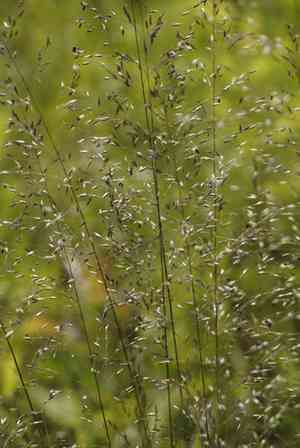
This enduring grass is recognized for its delicate, curving leaves and light, feathery flower clusters. To ensure its best condition, prairie Dropseed thrives when its foliage is cut back to soil level in early spring prior to the emergence of new shoots, or in late winter. This schedule avoids disrupting its winter aesthetic and guarantees a fresh beginning for the season's development. Consistent trimming preserves the plant's form, fosters robust, thick foliage, and boosts its attractiveness within a garden environment.
Advantages of Trimming Prairie Dropseed
Advantages of Trimming Prairie Dropseed
Trimming prairie Dropseed can encourage more vigorous development and preserve its desired shape. Consistent cutting ensures prairie Dropseed stays healthy and visually appealing in a garden setting.
Optimal Period for Pruning Prairie Dropseed
Optimal Period for Pruning Prairie Dropseed
For prairie Dropseed, pruning in early spring is beneficial as the plant emerges from dormancy. This timing allows prairie Dropseed to recover quickly and direct its energy into new growth, resulting in a stronger, healthier plant throughout the growing season. Winter pruning is also suitable when prairie Dropseed is fully dormant, minimizing stress and disease transmission. During this time, it's easier to identify dead or diseased foliage without new growth obstruction, maintaining the plant's structure and vigor for spring.
Necessary Tools for Pruning Prairie Dropseed
Hand Pruners
Perfect for trimming and shaping prairie Dropseed due to their accuracy and ease of use, essential for reaching dense clumps without harming the plant.
Grass Shears
Prairie Dropseed can be shaped and its seed heads trimmed with grass shears, as they are designed for grasses and can easily cut fine foliage without causing damage.
Garden Scissors
Useful for snipping dead or unwanted foliage of prairie Dropseed at the base, allowing for precise cutting without disturbing the rest of the plant.
Pruning Saw
Helpful for removing any larger, woody stems that prairie Dropseed may develop over time, ensuring clean cuts without tearing plant tissue.
Leaf Rake
Good for gently removing debris from within prairie Dropseed without causing damage to the plant, thus maintaining its aesthetic appearance and health.
How to Prune Prairie Dropseed
Step1: Pruning Schedule
Wait until early spring before new growth begins to prune prairie Dropseed. This timing allows the plant to maintain its natural winter appeal and provides cover for wildlife, while also ensuring you won't cut into new growth.
Step2: Tool Preparation
Prepare your tools. Ensure you have sharp, clean pruning shears or scissors. Disinfect blades before and after use with a 1:9 bleach-to-water solution to prevent disease spread.
Step3: Removing Dead Foliage
Remove dead foliage from prairie Dropseed by cutting at the base. Use shears to trim any brown or dead grass close to the ground without damaging the crown. Discard removed foliage to limit potential disease.
Step4: Shaping and Size Reduction
Assess the shape and size of prairie Dropseed clumps to determine how much to trim for size reduction. Aim to maintain a naturalistic, mounded shape, preserving the plant's fountain-like growth habit.
Step5: Thinning Overgrown Clumps
To manage overgrown clumps, selectively thin out the oldest and most woody stems by cutting them at the base. This will encourage new growth and improve air circulation without drastically altering the appearance of prairie Dropseed.
Step6: Balance and Symmetry Check
After pruning overgrown clumps, step back and examine prairie Dropseed for balance and symmetry. Make any additional cuts needed for uniform shaping, but avoid shearing back the entire clump uniformly, as this can result in a less natural look.
Step7: Trimming Cleanup
Clean up all trimmings to maintain a neat appearance and reduce hiding spots for pests. Compost the waste if it's free of disease and pests.
Step8: Post-Pruning Watering
Water prairie Dropseed after pruning to encourage new growth, especially if the weather is dry. Apply water at the base of the plant to minimize wet foliage, which can lead to disease.
Step9: Monitoring Plant Health
Monitor prairie Dropseed for signs of stress or pest issues following pruning. Healthily pruned prairie Dropseed will typically rebound with fresh, vigorous growth as the growing season progresses.
Post-Pruning Care for Prairie Dropseed
Post-Pruning Care for Prairie Dropseed
Immediately after pruning prairie Dropseed, water thoroughly to reduce stress. Position prairie Dropseed in an area with ample sunlight and maintain a stable temperature, avoiding extreme fluctuations. Regularly check humidity, ensuring a moderate level is sustained. Post-pruning, apply a balanced, slow-release fertilizer to promote healthy regrowth. Monitor prairie Dropseed for signs of stress, such as discolored foliage, and watch for infection evidenced by unusual spotting. If symptoms arise, promptly treat with appropriate fungicide or pest control measures following reputable horticultural recommendations.
Common Pruning Errors with Prairie Dropseed
Excessive Pruning Affecting Plant Health
Over-pruning, which can stress prairie Dropseed and lead to a reduction in its natural form and density.
Pruning with Dull or Contaminated Tools
Using blunt or dirty pruning tools, which can result in jagged cuts and increase the risk of disease.
Incorrect Timing Disrupting Growth and Blooms
Pruning during active growth or just before flowering, which can interrupt the growth cycle and reduce blooming.
Common Pruning Advice for Prairie Dropseed
Clean Cuts with Sharp Shears for Plant Health
Use sharp, clean pruning shears to make precise cuts and minimize damage to the plant.
Prune Only Dead or Damaged Branches for Natural Growth
Remove only dead or damaged foliage to maintain the health and natural form of prairie Dropseed.
Selective Hard Pruning for Rejuvenating Old Plants
To rejuvenate an older prairie Dropseed, cut back the entire plant to just a few inches above the ground, but do this very selectively as it can take time to recover.



