How to Prune Esparto?
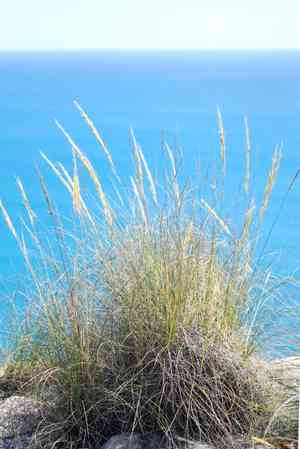
Esparto, recognized for its lengthy, robust fibers utilized in fabrics, necessitates infrequent trimming primarily to eliminate deceased or compromised leaves. The most suitable periods for trimming are early spring and winter, aligning with esparto's developmental phase and dormant season. Trimming improves the plant's well-being and aesthetic, and it guarantees peak development by averting excessive density and fostering air circulation. Due to its hardiness and particular applications, meticulous trimming preserves the excellence of its fibers.
Advantages of Trimming Esparto
Advantages of Trimming Esparto
Trimming esparto encourages robust development and assists in maintaining its desired form. Regular cutting eliminates dead or weak foliage, fostering stronger, healthier growth suitable for landscape design.
Optimal Period for Pruning Esparto
Optimal Period for Pruning Esparto
The best times for pruning esparto are early spring and winter. These periods are advised because esparto grows more slowly then, making it less vulnerable to pruning stress. In early spring, pruning esparto helps remove any winter frost damage or dead foliage, preparing the plant for vigorous growth in the upcoming season. Winter pruning is beneficial as it allows gardeners to shape the plant and manage its size effectively when esparto is dormant, thereby minimizing harm to the plant's health or disruption to its growth cycle. These practices ensure the plant maintains a strong structure and peak health, ready for active growth periods.
Required Tools for Esparto Pruning
Hand Pruners
Perfect for snipping smaller, thinner parts of esparto. They enable precise cuts that help preserve the plant's intended shape and vitality.
Grass Shears
Effective for shaping and managing esparto's growth, especially its grass-like leaves. These shears can neatly trim the plant and maintain its decorative look.
Gloves
Though not a pruning tool itself, gloves are crucial for protecting hands from esparto's potentially sharp and tough foliage.
How to Prune Esparto
Identify
Locate diseased and withered leaves on esparto. Carefully inspect the plant to distinguish unhealthy leaves, which may appear yellow, brown, or spotted.
Prepare tools
Ready the appropriate instruments for pruning esparto. Utilize sharp, clean pruning shears to ensure precise cuts and prevent disease spread. Sanitize tools before and after use to reduce infection risks.
Trim diseased leaves
Carefully remove diseased leaves from esparto. Cut each leaf at its base, where it connects to the main clump or stem, without harming healthy plant parts. Properly dispose of these leaves to prevent contamination.
Trim withered leaves
Remove dried leaves, using the same method as for diseased ones. These are typically dry or completely brown leaves that no longer contribute to the plant's growth or appearance.
Cleanup
Tidy the area around esparto after pruning. Clear all fallen debris and leaves to maintain a healthy and neat environment. This helps prevent future pest or disease issues for the plant.
Common Esparto Pruning Errors
Overpruning
A common error with esparto is removing too much foliage at once, which can stress the plant and lead to poor growth or reduced vigor.
Improper cutting technique
Using dull or unsuitable tools can damage esparto's fibrous leaves, creating frayed edges that may become vulnerable to pests and diseases.
Pruning too short
Cutting esparto's leaves too short can hinder its ability to photosynthesize effectively, diminishing its overall health and growth.
General Esparto Pruning Advice
Sharp tools
Always use sharp, clean shears or scissors to ensure clean cuts that heal quickly, minimizing stress on esparto.
Selective pruning
Remove only the older, outer leaves and any that are diseased, damaged, or dead. This encourages new growth from the center, keeping esparto vibrant and healthy.
Timely pruning
Although specific seasonal timing is excluded, ensure that pruning is done with regards to the plant's growth cycle to promote flowering and new shoots.



