How to Prune Japanese pagoda tree?
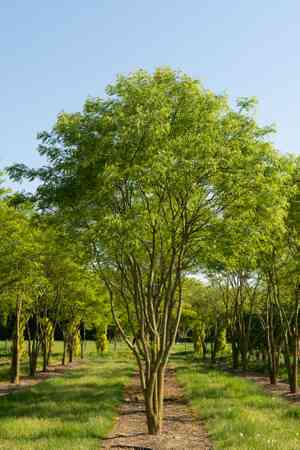
This leafy tree, recognized for its expansive crown and groupings of off-white blossoms, reacts favorably to trimming. For japanese pagoda tree, essential methods involve reducing dense limbs, eliminating basal shoots, and forming for framework. Trimming should be performed in late winter or early spring prior to bud emergence. Prompt cuts aid in averting illness and fostering blooming. Refrain from severe pruning; japanese pagoda tree withstands moderate shaping to preserve vigor and visual appeal.
Advantages of Trimming Japanese Pagoda Tree
Advantages of Trimming Japanese Pagoda Tree
Trimming japanese pagoda tree encourages robust development by eliminating lifeless or weak branches, improving light penetration and air circulation. It also preserves the desired form for visual appeal and structural soundness.
Optimal Period for Pruning Japanese Pagoda Tree
Optimal Period for Pruning Japanese Pagoda Tree
Late winter and early spring are considered ideal for pruning japanese pagoda tree as this timing coincides with the plant's dormant phase, before the commencement of its new growth cycle. Pruning during these seasons minimizes stress on japanese pagoda tree, since the plant is not actively expending energy on growth, blooming, or fruiting. Furthermore, this timing allows cuts to heal prior to the onset of spring growth, lessening the chance of disease or pest infestation. Trimming in late winter also enables gardeners to better shape the plant's structure before foliage obscures the branches. Pruning before spring growth also helps foster a well-distributed canopy and enhances the subsequent flowering period.
Necessary Tools for Pruning Japanese Pagoda Tree
Hand Pruners
Perfect for making clean cuts on small branches and twigs of japanese pagoda tree, ensuring minimal harm to the plant's tissues.
Loppers
Needed for cutting through thicker branches of japanese pagoda tree, typically up to 2 inches in diameter, providing the leverage required for clean cuts.
Pruning Saw
Utilized for removing larger limbs from japanese pagoda tree that loppers cannot manage, usually with a diameter exceeding 2 inches.
Pole Pruners
Recommended for reaching elevated branches without needing a ladder, allowing safe pruning of japanese pagoda tree at height.
Hedge Shears
Suitable for shaping and maintaining the dense foliage of japanese pagoda tree, especially for formal designs or when managing a hedge.
Gloves
Protects hands from scratches and ensures a firm grip on tools while pruning japanese pagoda tree.
Sharpener
Crucial for keeping tool edges keen to ensure clean cuts, which helps prevent disease and damage to japanese pagoda tree.
How to Prune Japanese Pagoda Tree
Step1: Remove Dead or Damaged Branches
Examine japanese pagoda tree for dead, diseased, or damaged branches. These may appear as branches lacking leaves, showing discoloration, or seeming dry and brittle. Begin pruning by removing these parts to maintain plant health and prevent further disease spread.
Step2: Make Clean Angled Cuts on Dead Wood
Using clean, sharp pruning shears, make cuts on dead wood at a 45-degree angle approximately 1/4 inch above a live bud or branch junction. Ensure your cuts are clean and smooth to promote rapid healing.
Step3: Cut Off Suckers from Base
Identify suckers, which are vigorous vertical shoots growing from the base of japanese pagoda tree or from the roots. These can drain energy from the main tree and create a cluttered appearance. Cut suckers off as close to their point of origin as possible, ideally during the dormant season.
Step4: Trim Away Diseased Wood
Locate and trim away any diseased wood. Cuts should be made well below the affected area, into healthy wood, to prevent disease spread. Be sure to sterilize your shears with a solution of 1 part bleach to 9 parts water after cutting diseased branches to avoid contaminating healthy parts of japanese pagoda tree.
Step5: Shape \_COMMON\_NAME\_ Post-Pruning
Assess the overall shape of japanese pagoda tree after removing these parts. Focus on creating a balanced, natural form without excessive pruning. Japanese pagoda tree has a naturally attractive shape that should be preserved.
Step6: Proper Disposal of Pruned Material
Dispose of all removed material correctly. Dead and diseased wood should be discarded away from japanese pagoda tree to prevent any potential re-infection or infestation.
Step7: Clean Tools After Pruning
After pruning, clean your tools thoroughly to prevent the spread of any potential diseases to other plants in the future.
Step8: Water Plant Following Pruning
Water japanese pagoda tree after pruning to help the tree recover from the stress of the cuts and to encourage new growth.
Step9: Monitor for New Growth
Monitor japanese pagoda tree for new growth. Pruned areas should show signs of healing and new buds within a few weeks. If further issues arise, additional pruning may be necessary.
Post-Pruning Care for Japanese Pagoda Tree
Post-Pruning Care for Japanese Pagoda Tree
Immediately after pruning japanese pagoda tree, ensure clean cuts to prevent disease entry. Provide sufficient water to avoid stress but prevent overwatering which can lead to root rot. Position japanese pagoda tree for optimal light without direct harsh sunlight. Maintain a stable environment; shield from temperature extremes. Post-pruning, apply a balanced fertilizer to support new growth. Monitor japanese pagoda tree closely for wilting or discoloration indicating stress or infection. If such signs are evident, adjust care and consider consulting an arborist.
Common Pruning Mistakes with Japanese Pagoda Tree
Over-Pruning Stress and Flower Reduction
Pruning excessively at once, which can stress japanese pagoda tree and lead to poor health or reduced flowering.
Damaging Plants with Dull Tools
Using dull or dirty tools which can harm the branches of japanese pagoda tree and introduce diseases.
Improper Cuts Leading to Pest Vulnerability
Tearing or ripping branches instead of making clean cuts, which can result in wounds that are difficult for japanese pagoda tree to heal, making the plant more susceptible to pests and diseases.
Unplanned Pruning Affecting Plant Shape
Pruning without a clear objective, potentially leading to an undesirable shape or the removal of buds that would have produced flowers.
Growth Impediment by Neglecting Deadwood
Failing to remove dead, diseased, or crossing branches which can hinder the growth of japanese pagoda tree or encourage disease spread.
Common Pruning Tips for Japanese Pagoda Tree
Purposeful Pruning for Plant Health
Determine the reason for pruning japanese pagoda treeâwhether it's to maintain shape, remove deadwood, or encourage floweringâand prune accordingly.
Sharp Tool Use for Clean Cuts
Use sharp and clean pruning tools to make precise cuts on japanese pagoda tree that will heal quickly and reduce the risk of disease.
Pruning with Natural Form Integrity
Follow the natural form of japanese pagoda tree when pruning to maintain its structural integrity and aesthetic appeal.
Proper Thinning for Healthful Regrowth
When thinning japanese pagoda tree, ensure to cut back to a lateral branch, bud, or the main trunk to promote proper healing and regrowth.
Angle Cuts for Bud Protection
Make sure to cut at a slight angle away from the bud to allow water to run off and prevent rot or disease in japanese pagoda tree.



