How to Prune Calico aster?
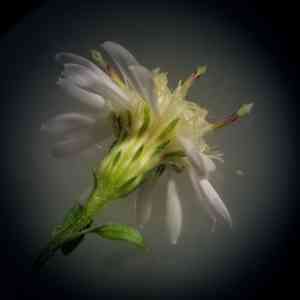
This indigenous perennial, featuring star-shaped blossoms, thrives with judicious deadheading to extend its blooming period. In early spring, trim back one-third of the plant to foster a denser habit, and continue removing faded flowers until the end of summer. This practice deters self-propagation and boosts the plant's well-being by improving air movement. Refrain from autumn trimming, as its seed structures offer visual appeal during winter and sustain native fauna.
Advantages of Trimming Calico Aster
Advantages of Trimming Calico Aster
Trimming calico aster promotes vigorous development and maintains a tidy form. It is crucial for stimulating new growth, leading to a denser, healthier plant. Proper trimming also helps calico aster conserve energy by removing unneeded parts.
Optimal Time for Trimming Calico Aster
Optimal Time for Trimming Calico Aster
Trimming in early spring allows for the removal of any winter-damaged stems and encourages the healthy emergence of new growth, which is essential for the plant's vitality throughout the growing season. Late summer trimming is ideal as it helps manage the plant's size and shape after flowering, reduces disease potential, and promotes denser growth for the following year without impacting subsequent blooms.
Tools Required for Trimming Calico Aster
Hand Pruners
Hand pruners, also known as secateurs, are perfect for cutting the relatively thin stems of calico aster. Calico aster's stems typically do not exceed half an inch in thickness, making hand pruners perfectly suited for the task. They allow for precise cuts without excessive force, which is important for maintaining plant health.
Pruning Shears
Pruning shears are effective for shaping calico aster, removing dead or diseased foliage, and deadheading spent flowers. Since calico aster can develop multiple stems and produce a bushy growth, using pruning shears can help selectively thin the plant to encourage better air circulation and light penetration.
Gloves
Wearing gloves is essential when trimming calico aster to protect hands from potential scratches and irritation caused by plant material or any sharp cutting tools being used.
How to Trim Calico Aster
Step1: Evaluate Plant Health for Trimming
Assess the overall health and structure of calico aster. Identify all spent flowers, diseased leaves, and withered branches that need trimming.
Step2: Sanitize Trimming Tools
Sanitize your trimming tools with a solution of 1 part bleach to 9 parts water to prevent disease spread.
Step3: Deadhead to Encourage Blooming
Start with spent flowers. Snip them off at their base, just above the first set of healthy leaves, using bypass pruners. This process, called 'deadheading,' encourages more blooms.
Step4: Remove Diseased Leaves
Examine calico aster for any diseased leaves. Look for discoloration, spots, or unusual textures. Cut these leaves off at the base where they meet the stem, ensuring no stubs are left, which can attract pests.
Step5: Trim Withered Branches
Locate withered or dead branches on calico aster. Properly trimming these promotes healthy growth. Trim these branches back to a healthy section, making cuts at a 45-degree angle, just above a bud or branching point.
Step6: Shape and Thin for Plant Vitality
After removing diseased and dead material, evaluate calico aster's shape. Thin out overgrown areas to improve light penetration and air circulation. Make selective cuts to enhance the plant's form, aiming for a natural rather than overly manicured appearance.
Step7: Dispose of Trimmed Plant Material
Discard all removed material away from the garden to minimize the chance of disease spread. Avoid composting any diseased plant matter.
Step8: Hydrate Plant After Trimming
Water calico aster adequately after trimming to help reduce plant stress.
Step9: Monitor Growth and Fertilize Post-Trimming
Monitor calico aster for signs of new growth and health improvements. If necessary, apply a balanced, slow-release fertilizer to support recovery and growth following trimming.
Post-Trimming Care for Calico Aster
Post-Trimming Care for Calico Aster
Immediately after trimming calico aster, water the plant thoroughly to reduce stress and aid recovery. Calico aster thrives in full sun to partial shade, with consistent moisture, so maintain an environment with moderate humidity and temperatures between 60-75°F. Apply a balanced, slow-release fertilizer to replenish nutrients. Monitor calico aster for wilting, discoloration, or signs of infection, especially on cut surfaces. If symptoms are detected, treat promptly with the appropriate fungicide or pest control method. Consistent follow-up care ensures calico aster's robust regrowth.
Common Trimming Errors with Calico Aster
Avoid Excessive Trimming to Prevent Stress and Flower Loss
Excessive trimming can lead to a stressed calico aster that may struggle to recover and could produce fewer flowers. It's important not to remove too much of the plant at once.
Do Not Cut into Woody Base to Protect Plant Structure
Cutting into the woody base of mature calico aster can harm the plant. Trimming should focus on the softer, greener growth to avoid damaging the main structure.
Deadhead Spent Flowers to Encourage Further Blooming
Neglecting to remove the spent flowers, a process known as deadheading, can result in a messy appearance and may deter further flowering.
General Trimming Advice for Calico Aster
Use Sharp, Clean Tools for Healthy Trimming Cuts
Use sharp, clean trimming tools to make precise cuts on calico aster. This helps prevent damage to plant tissues and reduces the risk of disease transmission.
Pinch Back Early Growth for a Bushier, Bloom-rich Plant
Pinch back the tips of calico aster in the early growth stages to encourage a bushier plant and more blooms. This also helps to maintain an attractive, compact shape.
Regularly Deadhead to Boost Continuous Flowering
Regularly deadhead the spent blooms of calico aster to promote continuous flowering and prevent the plant from putting energy into seed production rather than new blooms.



