How to Prune Chinese coffintree?
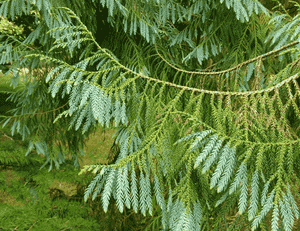
Valued for its impressive height and extended lifespan, chinese coffintree thrives with particular trimming methods to preserve its well-being and form. The most suitable period for pruning is during the winter season when the plant is inactive. Utilize thinning cuts to eliminate deceased or congested branches, thereby improving light access and airflow. Deliberate branch removal will also aid in sculpting the tree and averting potential structural problems. Pruning offers advantages like enhanced development, vitality, and resilience against pests and ailments. Consistent evaluation is advised to determine necessary pruning interventions.
What Are the Benefits of Pruning Chinese Coffintree?
What Are the Benefits of Pruning Chinese Coffintree?
Trimming chinese coffintree encourages vigorous development and helps maintain its desired shape, which is vital for both its visual appeal and overall well-being.
What Is the Best Time for Pruning Chinese Coffintree?
What Is the Best Time for Pruning Chinese Coffintree?
Trimming or cutting back chinese coffintree during late winter to early spring, just before the start of its new growth cycle, offers several advantages. First, this timing allows for the removal of any dead or diseased branches without disturbing the plant's dormant state. In winter, chinese coffintree is less vulnerable to pruning stress and less appealing to pests and diseases that might enter through cuts, due to slower sap flow and reduced insect activity. Moreover, pruning before chinese coffintree resumes active growth ensures rapid healing, and any new growth will be strong and well-formed, improving the plant's structure and look. Lastly, the absence of leaves during this period provides a clear view of chinese coffintree's structure, enabling more precise and effective cuts.
What Tools Do I Need to Prune Chinese Coffintree?
Hand Pruners
For trimming small branches and shaping chinese coffintree, hand pruners are quite essential. They allow precision in cutting and are ideal for branches up to 3/4 inches thick, facilitating clean cuts without damaging the plant.
Loppers
When dealing with slightly thicker branches, up to 2 inches in diameter, loppers are recommended. They provide more leverage and reach, important for effectively pruning the medium-sized branches of chinese coffintree without too much strain.
Pruning Saw
To cut larger branches of chinese coffintree that exceed 2 inches in diameter, a pruning saw is necessary. Pruning saws can handle the thickness of these branches while minimizing the risk of tearing or harming the plant.
Pole Pruner
For reaching higher branches without the use of a ladder, a pole pruner is essential. This tool is perfect for chinese coffintree if it grows at considerable heights, allowing for the safe pruning of branches that are out of normal reach.
Hedge Shears
If chinese coffintree is being maintained as a hedge or shaped for decorative purposes, hedge shears can provide a uniform and controlled cut across foliage and smaller twigs. They help in maintaining the desired form of the plant.
How to Prune Chinese Coffintree
Clean And Sharpen Tools
Ensure all pruning tools are clean and sharp to make clean cuts without injuring chinese coffintree.
Identify And Mark
Inspect chinese coffintree carefully and use a non-permanent marker or tied ribbons to mark dead and diseased branches that need to be trimmed.
Cut Dead Branches
Carefully prune dead branches at the point where they meet healthy wood, cutting at an angle to promote water runoff and prevent rot at the cut site.
Remove Diseased Branches
Cut diseased branches at least several inches into healthy tissue to ensure the disease has been entirely removed; disinfect the tools after each cut to prevent spreading pathogens.
Disposal And Cleanup
Collect and dispose of all cuttings, especially the diseased parts, in a manner that prevents the spread of disease, and keep the area around chinese coffintree clean to avoid fungal or pest infestation.
Common Pruning Mistakes with Chinese Coffintree
Overpruning
Removing too much foliage from chinese coffintree at once can stress the plant, making it more susceptible to disease and stunted growth.
Improper Cut Location
Cutting too far from a bud or node, or too close to it, can result in poor growth or damage to chinese coffintreeâs remaining stem.
Using Dull Tools
Dull pruning tools can damage chinese coffintreeâs branches, resulting in jagged cuts that are more vulnerable to pests and diseases.
Neglecting Sanitization
Not sanitizing pruning tools before and after use can lead to the spread of disease between plants in the garden.
Pruning Healthy Growth
Unnecessarily cutting away healthy growth can limit chinese coffintreeâs potential for flowering and fullness.
Ignoring Diseased Limbs
Failing to identify and promptly remove diseased or dead limbs can lead to further infection and compromise the health of chinese coffintree.
Disregarding Shape
Pruning without considering the natural shape of chinese coffintree can result in an undesirable appearance and negatively impact its growth.
Common Pruning Tips for Chinese Coffintree
Sharp Tools
Use sharp, clean pruning shears to ensure precise cuts that will heal quickly and minimize stress to chinese coffintree.
Cut Angle
Make cuts at a 45-degree angle, facing away from the bud to promote proper water runoff and prevent disease in chinese coffintree.
Gradual Pruning
Prune chinese coffintree gradually over the course of its growing season to maintain plant health and vigor without causing shock.
Cleanliness
Sanitize pruning tools before and after each use with a solution of one part bleach to nine parts water to prevent disease spread.
Correct Cut Location
Make cuts just above a leaf node or bud to encourage healthy new growth on chinese coffintree.
Disease Management
Promptly remove any diseased or damaged limbs from chinese coffintree to help it conserve energy and prevent the spread of infections.
Balance And Structure
Focus on creating a balanced structure and maintaining the natural form of chinese coffintree when pruning, which will support the plant's overall health and aesthetic.



