How to Prune Common tansy?
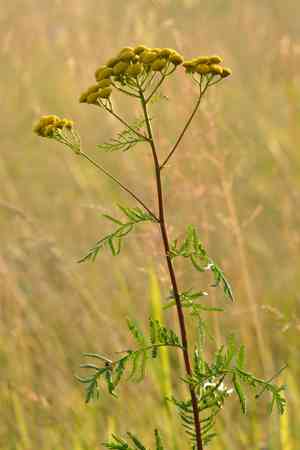
This perennial herb, recognized for its feathery leaves and spherical yellow blossoms, flourishes in adequately drained soil and ample sunlight. For common tansy, trim it down to the soil surface in early spring, promoting robust new development. Remove faded flowers regularly until late summer to stimulate further blooming and to deter undesirable seed dispersal. Occasional trimming also aids in preserving a dense shape, boosting the plant's health and reducing the likelihood of fungal infections.
What Are the Benefits of Pruning Common Tansy?
What Are the Benefits of Pruning Common Tansy?
Trimming common tansy promotes robust development and maintains its form, leading to a strong, visually appealing plant.
What Is the Best Time for Pruning Common Tansy?
What Is the Best Time for Pruning Common Tansy?
Trimming common tansy in early spring, prior to the emergence of new growth, enables the gardener to clear away any dead or damaged foliage from the winter, without disrupting the plant's natural growth cycle. This timing also aids in stimulating new growth, ensuring a healthier plant. Late summer pruning is ideal after common tansy has bloomed. It prevents the dispersal of seeds, which can lead to uncontrolled growth and potentially invasive behavior. During this period, the plant is preparing for dormancy; therefore, pruning will not significantly stress common tansy, ensuring it remains robust and can recover well the following year.
What Tools Do I Need to Prune Common Tansy?
Hand Pruners
For the selective thinning and removal of individual stems on common tansy, hand pruners are perfect. These tools offer precision and control, which is essential for maintaining the plant's overall health and appearance without causing unnecessary harm.
Pruning Shears
When shaping common tansy or reducing the plant's size, pruning shears provide an efficient and clean cut. They are especially useful for deadheading spent flowers, which encourages more blooms and prevents common tansy from self-seeding excessively.
Loppers
For older, woodier stems of common tansy that hand pruners cannot handle, loppers with long handles provide the leverage needed to make larger cuts cleanly and without straining the user.
Gardening Gloves
Given that common tansy can irritate the skin, wearing gardening gloves is advisable to protect the gardener's hands during the pruning process.
Garden Waste Bags
After pruning common tansy, it's important to collect and dispose of the cuttings properly to maintain tidiness and reduce the risk of unwanted spread, as common tansy is considered invasive in some regions.
How to Prune Common Tansy
Step1: Preparing for Pruning
Don gardening gloves and use clean, sharp pruning shears to ensure precise cuts and to prevent the spread of disease to common tansy.
Step2: Removing Diseased Leaves
Start by removing any diseased leaves. Identify leaves that have unusual spots, discoloration, or appear to be wilting. Make cuts at the base of the affected leaves, being careful not to harm healthy adjacent foliage.
Step3: Pruning Withered Stems
Trim withered stems to revitalize common tansy. Locate old and withered stems, which may appear dry, brittle, or brown. Cut these stems back to a healthy side shoot or down to the ground level, depending on the extent of the withering.
Step4: Deadheading Old Flowers
Deadhead old flowers to encourage new growth and prevent common tansy from self-seeding excessively. Trim the spent flower heads by cutting the stem just above the first set of healthy leaves. This action prompts the plant to produce more blooms and maintain a compact shape.
Step5: Shaping the Plant
After trimming diseased, withered, or dead parts, shape common tansy by removing any awkwardly growing stems to maintain the desired form. Trim these stems by cutting them back to a main stem or to a natural shape, aiming for a balanced appearance.
Step6: Cleanup and Disposal
Once the pruning is complete, remove all cuttings from the area to prevent potential disease spread or unwanted propagation. Dispose of or compost the clippings as appropriate.
Step7: Post-Pruning Care
Water common tansy to aid in recovery, especially if a significant portion of the plant was removed. Provide a balanced fertilizer if necessary, to support healthy regrowth.
Step8: Monitoring Regrowth
Monitor common tansy for signs of new growth, which typically appears within a few weeks after pruning. Continue to manage and shape the plant as it grows to maintain health and vigor.
Post-Pruning Care for Common Tansy
Post-Pruning Care for Common Tansy
Immediately after trimming common tansy, water the plant generously to reduce transplant shock. Manage environmental conditions by ensuring common tansy receives full sun exposure and maintain ambient temperatures around 60-70°F, with moderate humidity. Apply a balanced fertilizer to provide nutrients for recovery and new growth. Monitor common tansy for wilting, discoloration, or pest presence, indicating stress or infection, and address promptly with appropriate interventions.
Common Pruning Mistakes with Common Tansy
Over-pruning weakens plants and hampers flowering
Trimming common tansy too severely, which can weaken the plant and potentially lead to poor growth and reduced flowering.
Using dull tools causes harmful, uneven cuts
Neglecting to use clean, sharp tools, resulting in jagged cuts that can invite pests and diseases.
Excessive foliage removal limits photosynthesis
Removing too much foliage from common tansy, which can stress the plant and inhibit its ability to photosynthesize effectively.
Pruning debris promotes pests and disease
Leaving pruning debris around common tansy, which can harbor pests and diseases.
Ignoring dead stems affects plant health
Ignoring dead, diseased, or damaged stems during pruning, which can compromise the overall health of common tansy.
Common Pruning Tips for Common Tansy
Prune above nodes for healthy regrowth
Make clean cuts on common tansy just above a leaf node or a lateral branch to promote healthy regrowth.
Sterilize shears to prevent disease spread
Use sterilized pruning shears to prevent the spread of diseases when cutting common tansy.
Thin centers for better air and light intake
Thin out the center of common tansy to improve air circulation and light penetration, which encourages healthy growth.
Remove dead material to preserve health
Remove any dead or diseased material from common tansy immediately to maintain its health.
Deadhead flowers to boost blooming
Regularly deadhead spent flowers of common tansy to promote additional blooming and prevent unwanted seed dispersal.
Prune to ground to rejuvenate overgrown plants
Cut back common tansy to the ground every few years to rejuvenate the plant if it becomes leggy or overgrown.
Retain two-thirds of plant after pruning
Always ensure that at least two-thirds of common tansy's growth remains after pruning to sustain its vitality.



