How to Prune American basswood?
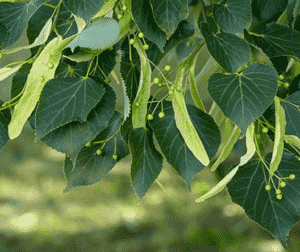
Celebrated for its expansive crown and aromatic blossoms, Tilia americana greatly benefits from judicious trimming. Essential methods involve excising deceased or ailing limbs and reducing dense sections to enhance air movement. The timing is critical; performing pruning in late winter or early spring, right before the onset of vigorous growth, is optimal. This avoids sap exudation and encourages swift recovery. Pruning bolsters the tree's vitality and form, simultaneously averting potential dangers from falling branches.
Advantages of Trimming American Basswood
Advantages of Trimming American Basswood
Trimming american basswood encourages robust development and maintains its desired configuration. This practice ensures the elimination of lifeless or weak branches, fostering a sturdy framework and enhancing the tree's overall vigor and visual appeal.
Optimal Pruning Period for American Basswood
Optimal Pruning Period for American Basswood
Pruning in late winter minimizes sap loss, which can be more significant in american basswood if pruned later in the spring. It also facilitates better wound recovery before new growth commences. Early spring pruning, prior to leaf bud opening, is beneficial as it allows gardeners to clearly observe the plant's structure without leaf obstruction, enabling more precise cuts. This timing also aligns with the period just before american basswood enters its most active growth phase, promoting rapid healing and reducing the likelihood of disease at cut sites. By avoiding fall pruning, it ensures american basswood does not enter dormancy with fresh wounds, which could lead to potential issues with cold weather and fungi.
Essential Tools for Pruning American Basswood
Hand Pruners
Perfect for making clean cuts on young or small branches of american basswood, as they can handle branches up to 3/4 inches in diameter. Opt for bypass pruners for live growth to prevent crushing plant tissues.
Loppers
Suitable for cutting larger branches of american basswood, typically up to 2 inches in diameter. Their extended handles provide leverage for cleaner, easier cuts on medium-sized branches.
Pruning Saw
Required for cutting branches over 2 inches thick on a mature american basswood. A curved blade saw can simplify cutting through thicker branches with greater control and less effort.
Pole Pruner
Useful for reaching higher branches of american basswood without needing a ladder. It includes both a saw and a bypass cutting mechanism, which can be beneficial for cutting various branch sizes at height.
How to Prune American Basswood
Step1: Pruning Schedule
Determine the best time to prune american basswood, which is late winter to early spring before new growth starts. Avoid pruning when the tree is actively growing in spring or during late summer to prevent stressing the tree.
Step2: Identify Dead Wood
Examine american basswood for dead wood, which will appear dry, brittle, and possibly discolored. Use sharp, clean pruning shears for small branches and a pruning saw for larger limbs.
Step3: Cutting Technique for Growth Direction
When removing dead wood, make cuts 1/4 inch above an outward-facing bud. This encourages new growth to develop away from the tree's center, improving air circulation.
Step4: Prune Diseased Limbs
To prune diseased limbs, sanitize your cutting tools with a solution of one part bleach to nine parts water to prevent pathogen spread. Carefully remove any visibly diseased branches, cutting well into healthy wood to ensure all diseased material is gone.
Step5: Remove Damaged Branches
Identify damaged branches that may be cracked, broken, or hanging. For the tree's safety and to prevent further harm, these should be pruned back to their origin point or to a strong lateral branch capable of withstanding wind and weather stresses.
Step6: Three-Cut Method for Large Branches
When cutting large branches, use the three-cut method to prevent bark tearing. The first cut should be made on the underside of the limb about a foot from the trunk, cutting about one-third into the limb. The second cut should be made on the topside a few inches further out from the first cut, continuing until the branch falls. The final cut should be made at the branch collar (swollen area where the branch meets the trunk), without cutting into the collar, to promote proper healing.
Step7: Shape Maintenance Pruning
After removing dead, diseased, or damaged wood, assess the overall shape of american basswood. Prune sparingly to maintain its structure and form, as this species naturally develops a pleasing shape. Over-pruning can lead to weak growth and vulnerability to pests and diseases.
Step8: Dispose of Pruning Debris
Properly discard all removed material, especially if diseased, to prevent re-infection or the spread of disease to other plants.
Step9: Tool Cleaning and Sterilization
Clean and sterilize all tools after finishing the pruning process to maintain their condition and prevent disease transmission during future use.
Post-Pruning Care for American Basswood
Post-Pruning Care for American Basswood
After pruning american basswood, water thoroughly immediately to minimize stress. Ensure american basswood is in a location with adequate light and protected from extreme temperatures. Maintain ambient humidity to encourage recovery. Apply a balanced, slow-release fertilizer to support growth, avoiding excessive nitrogen which can promote vulnerable new shoots. Monitor american basswood for wilting leaves, discoloration, or sap exudation, which are signs of stress or disease. Promptly remove any diseased tissue and consider applying a fungicide or bactericide if infection is suspected. Regularly inspect the pruned areas to ensure proper healing.
Common Pruning Errors with American Basswood
Overpruning
Removing too much at once, which can stress american basswood and may result in poor health or reduced vitality.
Incorrect Cut Placement
Cutting branches flush against the trunk, which can harm the tree's collar and make american basswood more susceptible to diseases and pests.
Ragged Cutting
Making uneven or torn cuts that can hinder american basswood from healing properly, increasing the risk of infection or decay.
Ignoring Natural Shape
Disregarding the natural form of american basswood during pruning, leading to an unnatural appearance and potentially harming the tree's structural integrity.
Using Dull Tools
Employing dull pruning tools, which can cause more damage to the tree's tissues and make american basswood more vulnerable to stress and disease.
General Pruning Advice for American Basswood
Sharp Tool Usage
Use sharp, clean pruning tools to make precise cuts on american basswood, which promote quicker healing and reduce infection risk.
Three-Cut Branch Removal
When removing larger branches of american basswood, employ the three-cut method to prevent bark tearing. This involves making a notch on the underside of the branch, an outward cut above, and then a final cut close to the branch collar.
Natural Shape Maintenance
Prune to preserve the natural form of american basswood, removing only dead, damaged, or crossing branches that can cause friction and open wounds that may lead to decay and disease.
Improving Circulation and Light
Trim back or thin out dense areas of american basswood to enhance air circulation and light penetration, which are crucial for the tree's health and proper growth.
Correct Node Cutting
When cutting back a branch on american basswood, always make the cut just above a node or side branch, and angle the cut away from the node to allow water to run off naturally and prevent rot.



