How to Prune Poison sumac?
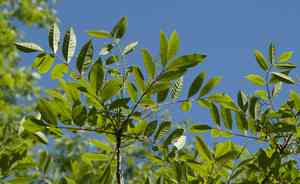
A well-known irritant, Toxicodendron vernix requires careful trimming. Don protective clothing and perform pruning during its inactive period in late winter or early spring to sculpt and manage its development. Deliberately thin out congested sections to enhance air movement. Eliminating compromised or infected limbs is advantageous, boosting the plant's well-being and curbing disease dissemination. Discarding the cuttings must be done with precision to prevent the dispersal of its irritating compounds.
Advantages of Trimming Poison Sumac
Advantages of Trimming Poison Sumac
Trimming poison sumac encourages robust new growth and maintains its desired shape. This vital practice contributes to a healthier, more managed plant, lessening the chance of uncontrolled spread in the landscape.
Optimal Time for Trimming Poison Sumac
Optimal Time for Trimming Poison Sumac
Trimming in late winter, just before the spring growth period begins, allows gardeners to shape poison sumac without encouraging new growth that could be harmed by frost. This timing also makes the plant's structure more visible, ensuring a more precise trimming process. Early spring trimming, after the last severe frost but before sap flow, helps poison sumac recover quickly and seals cuts before the growing season, reducing plant stress. Additionally, trimming during these dormant periods minimizes disease transmission risk, as many pathogens are inactive.
Tools Required for Trimming Poison Sumac
Long-handled loppers
These offer the necessary reach to cut through thicker branches while keeping a safe distance from poison sumac. The extended handles also provide leverage for easier cutting.
Pruning saw
When branches are too thick for loppers, a pruning saw can easily handle larger diameters, allowing the user to stay clear of poison sumac's irritating foliage.
Protective gear
Due to poison sumac's irritating sap, wearing gloves, long sleeves, and eye protection is crucial to prevent skin and eye contact. This does not trim the plant but ensures the gardener's safety.
Garden shears
For snipping smaller stems and leaves, garden shears can be useful. They can provide a clean cut on branches less than 1/2 inch in diameter.
How to Trim Poison Sumac
Protection
Before beginning to trim poison sumac, wear protective clothing including long sleeves, gloves, and eye protection to prevent skin and eye irritation from the plant's toxic sap.
Identification
Carefully inspect poison sumac to locate dead or diseased branches. These will often appear dry, brittle, discolored, or show visible signs of fungal growth or damage.
Cleaning
Sanitize trimming tools with alcohol or a 10% bleach solution before and after use to prevent the spread of disease to or from poison sumac.
Pruning
Using sanitized tools, carefully remove dead or diseased branches from poison sumac by cutting at a slight angle just above a healthy bud or another branch junction. Ensure cuts are clean to promote better healing.
Disposal
Dispose of the removed parts of poison sumac responsibly. Do not compost as the toxic residues can remain. Thoroughly clean all tools and protective gear after completing the trimming process.
Common Trimming Errors with Poison Sumac
Neglecting Protective Gear
When trimming poison sumac, a frequent error is not wearing adequate protective gear. Poison sumac's sap contains urushiol, which can cause severe skin irritation. It's vital to wear gloves, long sleeves, and eye protection.
Improper Disposal
After trimming poison sumac, gardeners might make the mistake of composting the trimmings. Poison sumac's toxic compounds can remain active, posing a hazard. It is essential to dispose of the cuttings properly, using sealed bags and following local hazardous waste guidelines.
Excessive Trimming
Cutting too much from poison sumac at once is an error that can lead to stress and weaken the plant. Trimming should be moderate, focusing on removing only the necessary parts to shape the plant and remove any diseased or dead wood.
Using Dull Tools
Employing dull trimming tools can harm poison sumac, causing uneven cuts that make the plant susceptible to diseases. Sharp and clean trimming tools are imperative for making precise cuts.
General Trimming Advice for Poison Sumac
Identify the Target
Before trimming poison sumac, identify the branches that need removal, such as those that are dead, diseased, or crossing over others, to allow for improved air circulation and light penetration.
Clean Cuts
Ensure clean cuts are made on poison sumac at an angle to avoid crushing the tissues, which can facilitate disease entry and hinder healing.
Trim for Structure
Poison sumac benefits from trimming that maintains a strong plant structure. Remove competing leaders and inward-growing branches to promote a sound framework for healthy growth.
Immediate Cleanup
Following trimming, immediately clean up the removed parts of poison sumac to minimize the risk of urushiol transfer to skin, pets, or clothing, ensuring all pieces are carefully bagged and sealed for disposal.



