How to Prune Star jasmine?
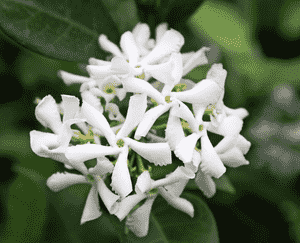
Star jasmine, a robust, perennial vine, is celebrated for its lustrous foliage and aromatic white blossoms. To preserve its form and encourage strong development, trim it following its blooming period, usually in late winter or early spring. Eliminate any deceased or excessively long branches to enhance air movement. Significant trimming can revitalize mature specimens, but factor in the plant's climbing nature when shaping. Pruning fosters thick leaves and can avert sparse growth, guaranteeing an attractive appearance throughout the year.
What Are the Benefits of Pruning Star Jasmine?
What Are the Benefits of Pruning Star Jasmine?
Trimming star jasmine encourages robust development and maintains its desired shape. Regular cutting eliminates dead foliage, promotes new shoots, and preserves the plant's thick, lush appearance.
What Is the Best Time for Pruning Star Jasmine?
What Is the Best Time for Pruning Star Jasmine?
Trimming star jasmine in early spring or late winter is advantageous as the plant remains dormant, minimizing stress and sap loss. Pruning during this period allows for the removal of any cold-damaged branches and encourages a strong new growth spurt with the arrival of warmer temperatures. It also helps maintain the plant's desired form and size before the start of the growing season. Furthermore, this timing aligns with the period before star jasmine's blooming, thus ensuring that pruning does not negatively impact the flowering that typically occurs in late spring and early summer.
What Tools Do I Need to Prune Star Jasmine?
Hand Pruners
Star jasmine is a woody, evergreen vine with tendrils, which may necessitate precise cuts to shape the plant or remove dead foliage. Hand pruners, especially bypass pruners, are perfect for making clean cuts on stems up to half an inch in diameter without harming surrounding tissues.
Loppers
For older, woodier stems of star jasmine that might be too thick for hand pruners, loppers are appropriate. They offer the necessary leverage to make clean cuts on branches up to 2 inches thick and are useful for reaching into denser parts of the vine where hand pruners cannot easily access.
Pruning Saw
Should star jasmine develop very thick woody stems, a pruning saw might be needed. This tool enables the removal of mature stems over 2 inches thick that neither hand pruners nor loppers can manage effectively.
Gloves
Wearing gloves is recommended when pruning star jasmine to shield the gardener's hands from scratches and sap that could be an irritant.
Long-Sleeved Clothing
For the same reasons as gloves, wearing long-sleeved clothing can protect the gardener from irritations that may occur when in contact with star jasmine.
Pruning Shears (Snips)
For light trimming and upkeep of star jasmine, pruning shears, or snips, are useful for deadheading flowers and precisely snipping wayward or small, thin shoots.
How to Prune Star Jasmine
Step1: Identifying Dead and Unproductive Plant Parts
Examine star jasmine thoroughly to pinpoint the parts to trim, including dead flowers, spent blooms, and dead growth. Look for brown, faded, or dry sections of the plant, which indicate the plant material is no longer alive or productive.
Step2: Sanitizing Pruning Tools
Sanitize your pruning tools to prevent disease transmission. Wipe the blades with a cloth soaked in isopropyl alcohol or a 10% bleach solution before you begin pruning star jasmine.
Step3: Pruning Dead Flowers and Spent Blooms
Begin with dead flowers and spent blooms. These should be cut back to just above the first set of live foliage. Make a clean cut with your pruning shears angled away from the plant to avoid damaging healthy parts.
Step4: Cutting Back Dead Growth
Identify dead growth, which may be on stems or branches. Dead growth will typically appear dry, brittle, and brown. When cutting back dead growth, prune back to a point just above where healthy green growth begins.
Step5: Encouraging Bushier Growth via Node Cuts
To promote bushier growth, make cuts just above leaf nodes (the points where leaves attach to the stem) because this is where new growth will emerge.
Step6: Shaping the Plant and Angle Cutting
After removing the dead flowers, spent blooms, and dead growth, shape star jasmine to maintain its desired form. Always cut at a 45-degree angle to promote healing and water runoff.
Step7: Monitoring Post-Pruning Plant Stress
Monitor star jasmine for any signs of stress following pruning, such as wilting or discoloration of leaves. If stress is observed, ensure the plant is well-watered and protected from harsh conditions like intense sun or wind until it recovers.
Step8: Cleaning Tools Post-Pruning
Clean your tools again after finishing your pruning work on star jasmine to keep them sharp and disease-free.
Step9: Disposing of Pruned Plant Material
Dispose of the pruned material by composting it or disposing of it according to local regulations, especially if it shows any signs of disease.
Post-Pruning Care for Star Jasmine
Post-Pruning Care for Star Jasmine
After trimming star jasmine, promptly water the plant to alleviate stress and aid in recovery. Maintain appropriate light exposureâbright, indirect light is ideal. Adjustable shading may be necessary, particularly for outdoor plants. Ensure the ambient temperature is consistently warm without significant fluctuations. In humid climates, allow for slight drying between waterings; in drier areas, consider misting. Fertilize star jasmine with a balanced, slow-release fertilizer to support regrowth, but only commence feeding after signs of new growth. Monitor star jasmine for wilting, discoloration, or lesions, which may indicate stress or disease. If symptoms occur, assess water and light conditions and adjust care, consulting a plant health specialist if needed.
Common Pruning Mistakes with Star Jasmine
Avoid Over-Pruning to Prevent Weakening Plant
Excessive pruning of star jasmine, which can weaken the plant and reduce its ability to flower the following season.
Use Clean Sharp Tools to Minimize Disease Risk
Utilizing dull or dirty pruning tools, leading to injuries on star jasmine that are more susceptible to disease.
Understanding Growth Habit Prevents Unnatural Shaping
Pruning star jasmine indiscriminately without comprehending the plant's growth habit, resulting in an unnatural shape or reduced vigor.
Remove Dead or Damaged Growth for Plant Health
Neglecting to remove dead, diseased, or damaged growth which can affect star jasmine's overall health.
Make Clean Cuts to Protect Plant's Vascular System
Tearing or ripping stems instead of making clean cuts, potentially damaging star jasmine's vascular system.
Common Pruning Tips for Star Jasmine
Cut at 45-Degree Angle Above Node for Regrowth
For star jasmine, make all cuts at a 45-degree angle just above a leaf node or stem junction to promote healthy re-growth and to allow water to run off the cut surface.
Thin Dense Areas to Boost Airflow and Light Penetration
Focus on thinning out dense areas of star jasmine to improve airflow and light penetration, which can help prevent disease and encourage even flowering.
Sterilize Tools Regularly to Prevent Disease Spread
Regularly sterilize pruning tools with a solution of bleach or alcohol to prevent the spread of disease among star jasmine plants.
Prune According to Natural Growth for Health and Looks
When shaping star jasmine, follow its natural growth habit rather than forcing it into an unnatural form, to maintain plant health and aesthetics.
Fertilize Post-Pruning for Recovery and New Growth
After pruning star jasmine, apply a balanced fertilizer to support recovery and new growth, following the manufacturer's instructions for application rates and timing.



