How to Prune Water gum?
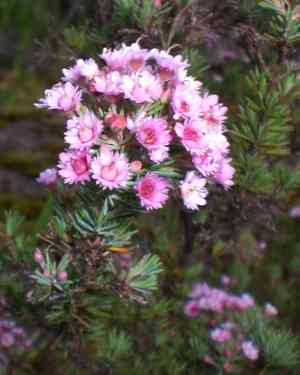
A perennial Australian species featuring drooping leaves and golden blossoms, water gum flourishes in damp ground. To achieve peak vitality and form, strategically remove deceased or intersecting limbs, cultivate a singular main stem for robustness, and thin the crown to improve light exposure. Perform pruning during its dormant winter period to stimulate robust development in spring. The advantages of pruning encompass improved air circulation, diminished susceptibility to illness, and regulated dimensions, guaranteeing water gum's appealing look and extended existence in its environment.
Advantages of Trimming Water Gum
What Are the Benefits of Pruning Water Gum?
Trimming water gum promotes robust development and helps maintain its desired form. Strategic cuts can revitalize the tree, leading to a denser canopy and a customized outline, crucial in both natural and cultivated environments.
Optimal Period for Pruning Water Gum
What Is the Best Time for Pruning Water Gum?
Pruning water gum from late winter to early spring, just before the new growth cycle begins, offers several advantages. This timing coincides with the plant's dormant phase, when reduced sap flow minimizes stress and bleeding from cut areas. The absence of leaves also provides better visibility of the plant's structure, allowing for more effective removal of dead, damaged, or diseased wood without altering its natural shape or growth habit. Furthermore, pruning at this time stimulates vigorous growth in spring, as the plant directs its stored energy into healing pruning wounds and producing new shoots. Avoiding pruning during the flowering period ensures that the plant's aesthetic value is not diminished, and focusing on the late dormant season helps maintain plant health and vitality by preventing the spread of pests and diseases that are active during warmer months.
Essential Tools for Pruning Water Gum
Hand pruners
Perfect for making clean cuts on branches up to 1 inch in diameter. Minimizes damage to water gum's smaller branches during trimming.
Loppers
Recommended for branches 1 to 2 inches thick. Offers greater leverage and reach, enabling healthy pruning of water gum's denser, outer canopy.
Pruning saw
Utilized for branches exceeding 2 inches in thickness. Ensures clean cuts without tearing, preserving water gum's health and encouraging proper recovery.
Hedge shears
Useful for shaping and maintaining the overall form of water gum when needed, given its dense growth habit.
Pole pruner
An extendable tool to safely access higher branches of water gum without requiring a ladder, safeguarding the tree's structure and the gardener's safety.
Gloves
To shield the gardener's hands from potential scratches and sap when trimming water gum.
Cleaning solution
To sanitize tools before and after pruning water gum, preventing the transmission of diseases.
How to Prune Water Gum
Clean Tools
Before beginning, ensure all pruning tools are clean and sharp to prevent disease transmission and to make precise cuts that will heal more efficiently.
Inspect water gum
Examine water gum for any dead or diseased branches, which may be identified by discoloration, brittleness, or damage. These are the primary targets for pruning.
Prune Dead Branches
Using appropriate tools such as secateurs or loppers, carefully remove dead branches by cutting them at their point of origin or back to a healthy lateral branch or bud that faces the desired direction of new growth.
Prune Diseased Branches
Trim diseased branches by cutting them several inches below the affected area to ensure complete removal of any diseased tissue. Disinfect your tools after each cut to avoid contaminating healthy parts of water gum.
Dispose Trimmed Material
Gather and discard all dead and diseased material removed from water gum in the appropriate manner to prevent the spread of pests and diseases within your garden.
Common Pruning Errors with Water Gum
Over Pruning
Cutting back too much of water gum's canopy can stress the plant, diminish its vigor, and make it more vulnerable to disease and pests.
Improper Cut Locations
Making cuts too close to the main stem or too far from buds can disrupt water gum's natural growth patterns and recovery.
Using Dull Tools
Trimming water gum with dull or dirty tools can result in jagged cuts that are more susceptible to infection and do not heal well.
Ignoring Dead Material
Failing to remove dead or diseased branches from water gum can lead to further decay and weaken the overall plant health.
Disregarding Shape
Neglecting to consider water gum's natural form when pruning can lead to an unbalanced shape and loss of aesthetic appeal.
Neglecting Wound Care
Not treating larger cuts on water gum can expose the plant to disease and infestation, which may jeopardize its health.
General Pruning Advice for Water Gum
Sharp Clean Tools
Always use sharp and sterilized pruning tools to make clean cuts on water gum that will heal quickly and prevent disease transmission.
Follow Branch Angles
Prune water gum by cutting just above the bud, following the angle of the branch, to promote healthy regrowth in the desired direction.
Thinning Crowded Areas
Thin out crowded areas of water gum to improve air circulation and light penetration, which encourages healthy growth and reduces disease risk.
Identify Branch Structure
Study water gum's branch structure to differentiate between old and new growth, focusing pruning efforts to shape the plant and enhance flowering without impeding its natural growth habit.
Care For Large Cuts
For larger cuts on water gum, apply a pruning sealant to protect the wound from infection and promote faster healing.
Incremental Pruning Approach
Practice incremental pruning on water gum by spacing out the pruning sessions, ensuring not to remove more than necessary at one time to maintain plant health and reduce shock.



