How to Prune Garden nasturtium?
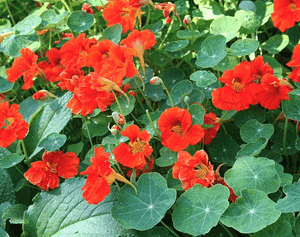
Recognized for its vibrant blossoms and peltate foliage, Tropaeolum majus can be trimmed to foster denser development and boost floral production. Regularly cut back elongated stalks and spent blooms. Nip off the terminal buds to achieve a more condensed structure. The most effective time for pruning is in early spring prior to flowering, and this practice can persist as required until late autumn. Trimming incites fresh growth and has the potential to extend the flowering duration, which is especially advantageous in moderate regions.
What Are the Benefits of Pruning Garden Nasturtium?
What Are the Benefits of Pruning Garden Nasturtium?
Trimming garden nasturtium promotes robust development and preserves its form. It enables sunlight and air to reach internal leaves, boosting photosynthesis and lowering disease risk. Consistent cutting keeps garden nasturtium compact and enhances its visual appeal.
What Is the Best Time for Pruning Garden Nasturtium?
What Is the Best Time for Pruning Garden Nasturtium?
Pruning garden nasturtium in early spring is optimal as it stimulates vigorous growth and healthy foliage when the plant exits dormancy. This timing allows gardeners to shape the plant and remove any dead or damaged sections from winter, without disrupting its natural bloom cycle. Late fall pruning is effective for garden nasturtium to maintain its structure and prepare for winter dormancy. At this point, removing spent flowers and seed heads can also prevent unwanted self-seeding. Additionally, fall trimming can improve air circulation, minimizing the risk of fungal diseases in cool, moist conditions. Both seasons align with garden nasturtium's growth cycle, ensuring strong health, abundant flowering, and ornamental beauty for the next season.
What Tools Do I Need to Prune Garden Nasturtium?
Bypass Pruners
Perfect for making clean cuts on garden nasturtium's slender stems without crushing plant tissues, ensuring healthy regrowth.
Gardening Scissors
Useful for precisely snipping off dead or yellowing leaves of garden nasturtium, aiding selective shaping and upkeep.
Hand Shears
Suitable for trimming garden nasturtium's sprawling vines to maintain desired shape and size, especially for thicker growth.
Pruning Saw
Used for more mature or woody stems of garden nasturtium that bypass pruners cannot manage, though this is less common.
Gloves
To shield the gardener's hands from sap and scratches while pruning garden nasturtium, and to ensure a better grip on tools.
How to Prune Garden Nasturtium
Step1: Inspecting Plant for Dead or Damaged Growth
Start by examining garden nasturtium for spent blooms and compromised stems, which can impede growth and flowering. This will be your primary focus for pruning.
Step2: Sanitizing Pruning Tools to Prevent Disease
Ensure your pruning tools are clean to prevent disease transmission. Disinfect them with a 10% bleach solution before beginning.
Step3: Identifying Dead Blooms on Plant
Locate dead blooms on garden nasturtium. They typically appear faded, shriveled, and lack vibrant color.
Step4: Proper Technique for Snipping Dead Blooms
Using your fingers or pruning shears, carefully pinch or cut the stem directly behind the dead bloom. Make an angled cut, 1/4 inch above a leaf set or a new bud.
Step5: Locating and Assessing Damaged Stems
Find damaged stems on garden nasturtium. These might look broken, discolored, or diseased and should be removed to maintain plant health.
Step6: Trimming Damaged Stems with Clean Cuts
Cut each damaged stem back to the point just above where healthy tissue begins. If the entire stem is damaged, remove it at its base where it emerges from the main plant. Ensure cuts are clean and angled to promote healing.
Step7: Disposal of Removed Plant Material
After trimming, remove all cut dead blooms and damaged stems from the area to reduce the chance of pests or diseases affecting garden nasturtium.
Step8: Post-Pruning Plant Care and Recovery
Water garden nasturtium appropriately after pruning to aid its recovery and ensure sufficient light and nutrients.
Step9: Ongoing Monitoring and Maintenance Pruning
Regularly check garden nasturtium for new dead blooms and damaged stems, repeating the pruning process as needed to encourage continuous growth and flowering.
Post-Pruning Care for Garden Nasturtium
Post-Pruning Care for Garden Nasturtium
Immediately after pruning garden nasturtium, water it thoroughly to reduce stress. Maintain moderate temperatures and indirect sunlight to support recovery. Ensure high humidity by misting leaves if in a dry environment. Resume fertilization with a balanced, diluted solution after two weeks to encourage growth. Observe garden nasturtium regularly for wilting or discoloration, which could indicate stress or infection, requiring prompt attention like adjusting care or consulting a professional. Consistent monitoring will guarantee a vigorous comeback for garden nasturtium.
Common Pruning Mistakes with Garden Nasturtium
Avoid over-pruning to maintain bloom production
Excessive pruning can stress garden nasturtium, diminishing its capacity to produce abundant blooms and lush foliage.
Sterilize pruning tools to prevent disease spread
Failing to sterilize pruning tools before use can introduce diseases to garden nasturtium, potentially harming the plant.
Avoid cutting too close to growth points and buds
Cutting too near the main stems or flower buds on garden nasturtium might harm the plant's growth points and reduce flowering.
Prune according to plant's specific needs
Pruning without assessing the plant's individual requirements can lead to misshapen growth and disproportion in garden nasturtium.
Remove dead foliage to conserve plant's energy
Delaying the removal of dead or dying foliage can impede garden nasturtium's growth, as the plant expends resources on maintaining non-viable parts.
Common Pruning Tips for Garden Nasturtium
Deadhead spent flowers for new growth
Regularly remove spent flowers to encourage garden nasturtium to produce new blooms and maintain a tidy appearance.
Trim leggy stems for bushier growth
Cut back overly long or sparse stems to promote denser growth and improve air circulation within garden nasturtium's foliage.
Remove yellowed leaves to focus energy on health
Remove any yellowed or withered leaves to direct garden nasturtium's energy towards sustaining healthy growth and flowering.
Use clean, sharp shears for quick recovery
Use clean, sharp pruning shears to make precise cuts, which helps garden nasturtium recover more quickly and reduces disease risk.
Thin out dense areas for natural shape and light penetration
When thinning out dense areas, cut stems at varying lengths to give garden nasturtium a more natural shape and allow light to reach inner leaves.



