How to Prune American elm?
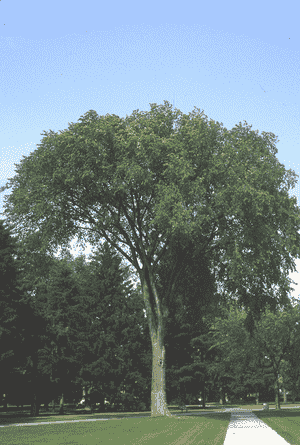
The stately american elm, recognized for its distinctive vase-like form and abundant leaves, thrives with judicious trimming. Key methods involve excising deceased or ailing branches and reducing the density of the crown to enhance airflow. The ideal period for pruning is in late winter or early spring, prior to the emergence of new shoots. It is crucial to prevent elm bark beetle infestations by swiftly disposing of all trimmed debris. Appropriate pruning fosters vigor and can prolong the existence of american elm.
What Are the Benefits of Pruning American Elm?
What Are the Benefits of Pruning American Elm?
Trimming american elm promotes robust development and maintains its form, crucial for both visual appeal and structural soundness, lessening the chance of illness and pest infestation.
What Is the Best Time for Pruning American Elm?
What Is the Best Time for Pruning American Elm?
This timing is considered ideal as it allows pruning wounds to mend quickly with the onset of new growth, minimizing disease risk and maximizing the plant's energy for developing new, healthy branches. Furthermore, pruning american elm while dormant in late winter to early spring enhances the tree's structural visibility, simplifying strategic cuts. During this period, the tree's sap is less active, reducing excessive bleeding from cuts, which can attract pests or stress the tree. Pruning before the spring growth spurt enables the tree to direct its energy and resources towards healing and desired new growth.
What Tools Do I Need to Prune American Elm?
Hand Pruners
For cutting small branches on american elm, hand pruners, also known as secateurs, are essential. They make clean cuts and are ideal for removing twigs and branches less than 1 inch in diameter.
Loppers
American elm may have thicker branches that require more leverage to cut. Loppers, which are essentially long-handled pruners, give you that advantage, allowing for precise cuts on branches up to 2 inches thick.
Pruning Saws
For the larger limbs of american elm that hand pruners and loppers can't handle, pruning saws are necessary. The saws come in various sizes and tooth configurations, tailored to smoothly cut through branches over 2 inches in diameter.
Pole Pruners
American elm can reach substantial heights, making some branches difficult to reach from the ground. Pole pruners, which can be extended, assist in safely pruning higher limbs without the need for a ladder.
Hedge Shears
If shaping hedges or creating a formal appearance in a row of american elm, hedge shears can be used to trim and shape the foliage with ease.
Pruning Shears
For detailed shaping or removal of unwanted suckers and water sprouts on american elm, precision pruning shears allow for accurate and delicate cuts without damaging the surrounding bark or branches.
Safety Gear
Safety should not be overlooked. Gloves, safety glasses, and a hard hat can protect against injuries from falling branches and debris while pruning american elm.
How to Prune American Elm
Step1: Determine Optimal Pruning Season
Identify the best time to prune american elm, which is in late winter or early spring before new growth begins. This helps prevent the spread of diseases such as Dutch elm disease, which is more likely to infect open wounds during the growing season.
Step2: Sanitize Pruning Equipment
Sterilize your pruning tools with a solution of 1 part bleach to 9 parts water to prevent the transmission of diseases. It's crucial to do this before any cuts are made and in between cutting different trees or infected limbs.
Step3: Remove Dead Wood
Begin with the removal of any dead wood. Make your cuts at the point where the dead limb meets healthy tissue. If the dead branch collar (the raised, knob-like area at the base of branches) is visible, cut just outside of it without damaging it.
Step4: Excise Diseased Limbs
Identify and remove diseased limbs next. Look for discoloration, unusual growths, or the presence of fungi. Cut well below the diseased portion into healthy wood to ensure all infected material is removed.
Step5: Trim Broken Branches
Prune broken branches, making cuts above the breakage and just beyond a lateral branch or bud. If a clean, lateral branch is not available, cut just above a bud that is facing the direction you wish the new growth to follow.
Step6: Make Downward-Angle Cuts
While pruning american elm, make all cuts at a downward angle away from the bud or branch to allow water to run off the cut surface, reducing the risk of fungal infections.
Step7: Three-Cut Method for Large Limbs
If removing a large limb, use the three-cut method to prevent bark tearing. First, make a shallow cut on the underside of the limb a few inches away from the trunk. Second, cut through the branch from the top down, about an inch further out than the first cut, allowing the limb to fall. The final cut should be made just outside the branch collar to remove the stump.
Step8: Inspect and Smooth Cut Surfaces
After making each cut, check the cut surface to ensure it's smooth and clean. Ragged edges can be sites for disease and pests, so if necessary, make another slight trimming to clean up the edge.
Step9: Proper Disposal of Pruned Material
Dispose of all removed material, particularly diseased wood, properly. Do not compost diseased limbs; instead, burn or dispose of them according to local regulations to prevent the spread of pathogens.
Step10: Monitor Plant Post-Pruning
Monitor american elm after pruning for signs of decay or disease in the cuts you've made. If you notice any issues, re-sterilize your tools and cut away the infected area as soon as possible.
Post-Pruning Care for American Elm
Post-Pruning Care for American Elm
After pruning american elm, immediately seal larger cuts to prevent disease. Maintain moderate moisture in the soil without overwatering. Position american elm to receive adequate indirect light and protect from extreme temperatures. Fertilize with a balanced, slow-release formula to promote healthy regrowth. Frequently inspect for wilt, discoloration, or dieback as indicators of stress or infection. Should symptoms arise, consult an arborist for potential treatment options.
Common Pruning Mistakes with American Elm
Avoid Cutting Too Close to Trunk
Cutting too close to the main stem or trunk, which can damage the collar and cause improper healing leading to disease entry and decay in american elm.
Do Not Over-Prune Foliage
Over-pruning, removing more than 25% of foliage in a single season, this stresses american elm and may result in poor health or growth.
Prevent Tearing Bark While Pruning
Tearing bark during pruning, if branches are not cut properly, this can result in ragged wounds that are slow to heal and more susceptible to pathogens.
Eliminate Stubs to Avert Decay and Disease
Leaving stubs when trimming branches which can lead to decay, pests, and diseases in american elm.
Sterilize Tools to Stop Disease Spread
Pruning without sterilizing tools, which can spread diseases from infected plants to healthy american elm.
Proper Cuts Following Branch Collar
Making improper cuts that do not follow the branch collar's natural angle, which can impede american elm's natural healing process.
Common Pruning Tips for American Elm
Use Sterilized Sharp Tools for Clean Cuts
Use sharp and clean tools for precise cuts and sterilize them before pruning to prevent the spread of diseases in american elm.
Prune Outside Branch Collar for Healing
Make pruning cuts just outside the branch collar, not flush with the trunk, to promote proper healing.
Remove Dead or Diseased Branches
Identify and remove dead, damaged, or diseased branches to maintain the health of american elm and to prevent possible infection spread.
Create Strong Structure by Pruning Wisely
Prune to create a strong tree structure, focusing on removing branches that are crossing, rubbing, or growing inward towards the center of american elm.
Cut to Lateral Branch for Natural Shape
When reducing branch length, make cuts to a lateral branch that is at least one-third the diameter of the branch being removed to maintain a natural shape.
Thin Canopy for Light and Air Penetration
Thin out the canopy if necessary to allow light and air to penetrate the inner branches, improving the health and vigor of american elm.



