How to Prune Wych elm?
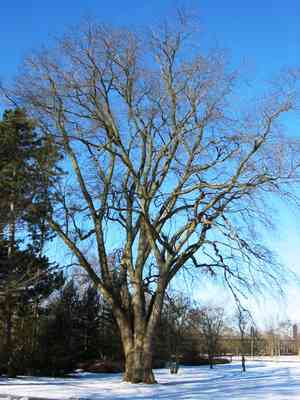
A broad-leaved, deciduous tree known for its resilience in challenging environments, wych elm thrives with regular trimming to preserve its form and well-being. Effective pruning entails excising dead or ailing wood, thinning congested branches to enhance light exposure, and lowering its stature to control development. The ideal time for this maintenance is from late winter to early spring, prior to the emergence of buds. Meticulous pruning aids in disease prevention and can stimulate fresh growth, thereby boosting the wych elm's vitality and lifespan.
What Are the Benefits of Pruning Wych Elm?
What Are the Benefits of Pruning Wych Elm?
Trimming wych elm promotes robust development by eliminating dead or diseased branches, thereby allowing for more effective nutrient utilization. Regular shaping preserves the wych elm's structural soundness, enhancing its visual appeal and preventing potential dangers.
What Is the Best Time for Pruning Wych Elm?
What Is the Best Time for Pruning Wych Elm?
Late winter and early spring are optimal for pruning wych elm as the tree is still inactive, minimizing sap loss which can attract pests. Pruning prior to the spring growth surge allows the tree to recover quickly and direct energy into new growth. Avoiding active growth periods ensures the tree can recuperate effectively without diverting resources from leaf and root development. Furthermore, the tree's structure is more visible without leaves during this time, enabling more precise cuts and health assessment.
What Tools Do I Need to Prune Wych Elm?
Hand Pruners
Perfect for cutting small branches and twigs of wych elm, hand pruners enable accurate, clean cuts without harming the plant's structure.
Loppers
Given wych elm's thick branches, loppers are effective for branches too thick for hand pruners but not requiring a saw.
Pruning Saw
For the largest branches of wych elm, a pruning saw is essential to manage their thickness and ensure clean cuts for healthy regrowth.
Pole Pruner
To safely reach and trim higher limbs of wych elm without a ladder, pole pruners are suitable, combining a saw and lopper mechanism on an extendable pole.
Hedge Shears
Wych elm can benefit from hedge shears when shaping hedges or creating a formal look, as they allow for trimming multiple small branches simultaneously.
Personal Protective Equipment (PPE)
Safety glasses and gloves are crucial to safeguard the gardener from potential injury while pruning wych elm.
How to Prune Wych Elm
Identify And Remove
Examine wych elm and eliminate all dead wood. Use clean, sharp tools to make precise cuts just above a lateral branch or bud facing the tree's exterior. This helps maintain a healthy growth pattern.
Disinfect Tools
Between cuts, especially when removing diseased wood, sanitize pruning tools with a 10% bleach solution or alcohol to prevent disease spread to healthy parts of wych elm.
Cut Diseased Wood
Identify and trim out all diseased wood from wych elm, making the cut into healthy tissue well below the diseased area to ensure complete removal of potentially infected material.
Remove Broken Branches
Carefully remove any broken branches from wych elm, cutting as close to the trunk as possible without damaging the collar (the swollen area where branch meets trunk), to promote proper healing.
Inspect Cuts
After pruning wych elm, examine all cuts to ensure they are clean and smooth, as ragged cuts may hinder healing and attract pests or diseases. Apply a tree wound dressing if recommended for the specific disease or pest concern.
Common Pruning Mistakes with Wych Elm
Over-Pruning
Removing excessive foliage can stress wych elm, impeding its ability to photosynthesize efficiently and regain strength.
Improper Cut Locations
Cutting too far from or too close to the bud can either prevent healing or lead to dieback and disease entry.
Tearing Bark
When pruning larger branches without proper technique, the bark may tear, causing unnecessary damage and potential entry points for disease.
Not Sanitizing Tools
Failing to clean pruning tools between cuts can spread diseases from infected parts of wych elm to healthy areas.
Pruning Blindly
Cutting without a clear purpose or plan can result in an unbalanced shape and may remove important growth points, detracting from wych elm's natural form.
Common Pruning Tips for Wych Elm
Clean Cuts
Make clean, angled cuts just above a bud or branch to ensure proper healing and direct new growth outward from the center of wych elm.
Selective Thinning
Thin out overcrowded branches to increase light penetration and air circulation, which can reduce the risk of fungal diseases in wych elm.
Three-Cut Technique
When removing larger limbs, use the three-cut technique to prevent bark tearing: a notch cut on the underside, an outward cut further along, and a final cut near the branch collar.
Sterilize Equipment
Regularly sterilize pruning tools using a 10% bleach solution or a disinfectant to prevent the spread of diseases.
Use Sharp Tools
Utilize sharp pruning shears, saws, or loppers to make precise cuts without crushing the tissues of wych elm, which can facilitate healing.
Shape Management
Focus on maintaining the natural vase-shape of wych elm for optimal health and aesthetics. This involves cutting back branches that interfere with the shape, allowing the central leader to dominate.



