How to Prune Siberian elm?
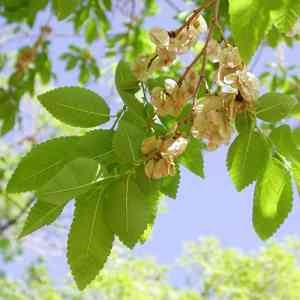
Given its swift development and adaptability to diverse environments, the siberian elm significantly benefits from trimming to preserve its vitality and form. The ideal period for this task is in early spring or late winter, prior to the emergence of fresh foliage. Essential methods involve reducing dense branches, eliminating deceased or compromised wood, and sculpting the crown to allow sunlight to filter through. This practice not only boosts the tree's visual appeal but also wards off illnesses by enhancing air movement within its foliage.
What Are the Benefits of Pruning Siberian Elm?
What Are the Benefits of Pruning Siberian Elm?
Trimming siberian elm promotes robust development and maintains its desired form, enhancing its vitality and visual appeal. Regular cutting helps prevent branch congestion, improving air circulation and sunlight exposure.
What Is the Best Time for Pruning Siberian Elm?
What Is the Best Time for Pruning Siberian Elm?
Pruning siberian elm in late winter or early spring is beneficial because the plant is dormant. This timing avoids excessive sap loss, which can occur during active growth. It also reduces the risk of disease transmission, as many pathogens are less active in colder months. Pruning then allows siberian elm to recover and produce new growth when the growing season begins, maintaining its health and vigor. Trimming before spring growth ensures that cut healing coincides with new growth, minimizing stress on siberian elm. Finally, since siberian elm lacks a significant flowering period that dictates pruning time, late winter to early spring is the most suitable period for pruning to support the plant's overall life cycle.
What Tools Do I Need to Prune Siberian Elm?
Hand Pruners
For cutting smaller branches and twigs of siberian elm, hand pruners or secateurs are essential. They provide clean cuts and can handle branches up to 3/4 inches in diameter, perfect for shaping or removing small, dead, or damaged limbs.
Loppers
These long-handled pruners are designed for cutting branches up to 2 inches thick. They offer leverage and can reach into siberian elm's denser canopy to thin out branches without harming the tree's overall structure.
Pruning Saws
For larger branches of siberian elm exceeding 2 inches in diameter, a pruning saw is necessary. A saw with a curved blade can make cutting more efficient and is often preferred for the thicker, harder wood of mature branches.
Pole Prunter
When dealing with siberian elm's higher branches, a pole pruner is suitable for safe cutting without ladders. It can be used for both sawing and lopping off branches from the ground.
Hedge Shears
For maintaining formal hedges or shaping siberian elm, hedge shears allow for cutting multiple small twigs and leaves at once, ensuring a clean, straight line for an aesthetic appearance.
Safety Goggles and Gloves
Safety is crucial when pruning siberian elm. Wearing goggles protects eyes from debris, and gloves provide a better grip on tools while protecting hands from injury.
How to Prune Siberian Elm
Step1: Identifying Dead and Diseased Branches
Examine siberian elm to locate all dead, diseased, and broken branches. These will likely lack leaves, may have discolored or peeling bark, and could feel brittle.
Step2: Tool Sterilization
Sanitize your pruning tools with a solution of 1 part bleach to 9 parts water to prevent the spread of diseases between plants during the pruning process.
Step3: Wearing Safety Gear
Wear safety gear, including gloves and eye protection, to guard against injuries from sharp tools and falling branches.
Step4: Dead Wood Removal Technique
Start by removing dead wood. Make cuts at a 45-degree angle just above a healthy bud, branch union, or the branch collar, which is the swollen area at the base of the branch.
Step5: Cutting Diseased Limbs
Next, cut diseased limbs. Prune well below the diseased section to ensure all infected material is removed. Be sure to cut back to healthy wood, indicated by a uniform color and texture within the branch.
Step6: Removing Broken Branches
Remove broken branches by making clean cuts just beyond the point of breakage. If the branch is partially attached, use a saw to carefully cut it away without tearing the bark on the trunk.
Step7: Tool Re-sterilization After Cuts
After each cut on diseased limbs, re-sterilize your pruning tools to prevent contamination to healthy parts of siberian elm.
Step8: Disposal of Pruned Material
Dispose of all removed material promptly and properly. Do not compost diseased or infected branches as they could spread pathogens.
Step9: Thinning for Light and Air Flow
Shape siberian elm by selectively thinning out crowded areas to improve light penetration and air circulation, cutting back to a lateral branch or bud facing the outside of the plant.
Step10: Post-Pruning Watering
Finish by giving siberian elm a thorough watering to help alleviate pruning stress and to encourage recovery and new growth.
Post-Pruning Care for Siberian Elm
Post-Pruning Care for Siberian Elm
Immediately after pruning siberian elm, ensure clean cuts to prevent disease entry. Adjust watering to keep soil moist, not soggy, promoting recovery. Manage exposure to indirect sunlight, protecting from extreme temperatures. Provide balanced fertilizer to support new growth without over-stimulation. Regularly check for wilting or discoloration as stress indicators. If infection signs appear, promptly apply appropriate fungicides. This diligent care promotes siberian elm's healthy regrowth post-pruning.
Common Pruning Mistakes with Siberian Elm
Over-pruning stress and disease vulnerability
Excessive pruning, which can stress siberian elm and make it prone to disease or pests.
Dull or dirty tools cause harmful cuts
Using blunt or unclean tools that create jagged cuts and may introduce diseases to siberian elm.
Damaging trunk by improper limb removal
Tearing or stripping the bark when removing larger limbs, which can harm siberian elm's trunk and impede proper healing.
Unplanned pruning reduces flowers and form
Pruning without a clear objective or strategy, which may lead to a reduction in flowering potential or the aesthetic shape of siberian elm.
Incorrect cutting risks decay and damage
Cutting branches flush against the trunk, which removes the branch collar and increases the risk of decay for siberian elm.
Common Pruning Tips for Siberian Elm
Sanitize tools to prevent disease spread
Start by sanitizing your pruning tools to prevent the spread of disease while working on siberian elm.
45-degree cuts for canopy structure
Make clean cuts at a 45-degree angle just above an outward-facing bud to encourage siberian elm to develop a well-structured canopy.
Remove problematic branches to improve health
First, remove dead, diseased, or crossing branches to improve air circulation and light penetration for siberian elm.
Thin center for growth and shape
Thin out the center of siberian elm to promote healthy new growth and maintain an aesthetically pleasing shape.
Preserve branch collar for natural healing
Keep the branch collar when removing larger branches to aid in the natural healing process of siberian elm.
Assess growth habit before pruning
Evaluate siberian elm before pruning to determine its specific shape and growth habit, which will guide the pruning process.
Prune to a bud pointing in desired direction
Prune back to a lateral branch or bud that points in the direction you want siberian elm to grow to maintain a natural appearance.
Post-pruning care: water and fertilize
After pruning, care for siberian elm by providing adequate water and potentially a balanced fertilizer to support recovery and regrowth.



