How to Prune Sea oats?
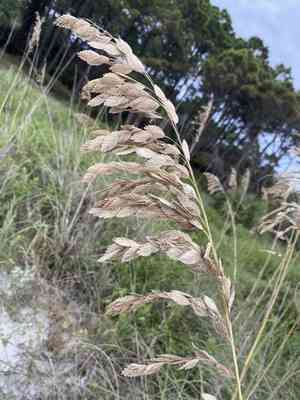
Coastal dune grass, known as sea oats, flourishes with infrequent trimming, preserving dune integrity and averting erosion. Remove withered or compromised leaves in early spring or late winter to foster vigorous development. Strategic pruning guarantees resilient plants that can endure severe coastal environments. Avoid over-trimming, as the proliferation of sea oats is vital for its function in preserving habitats and safeguarding shorelines.
What Are the Benefits of Pruning Sea Oats?
What Are the Benefits of Pruning Sea Oats?
Trimming sea oats promotes robust development and helps maintain its desired shape. Strategic cuts can encourage denser foliage, enhancing the plant's appearance and vigor.
What Is the Best Time for Pruning Sea Oats?
What Is the Best Time for Pruning Sea Oats?
For sea oats, late winter to early spring is optimal for pruning as the plant is typically dormant then. This is when the plant's metabolic activities slow, minimizing stress from trimming. Pruning sea oats before new growth begins encourages strong development and maintains plant health. Avoiding the active growth and flowering season ensures pruning doesn't disrupt natural development or the production of its distinctive seed plumes, valuable for ornamental and ecological purposes.
What Tools Do I Need to Prune Sea Oats?
Bypass Pruners
Perfect for precise trimming and shaping of sea oats, bypass pruners create clean cuts on the plant's thinner stems and leaves without causing unnecessary harm to plant tissues.
Hand Shears
These are suitable for selectively trimming and maintaining sea oats's form. Their long blades allow for smooth cuts through grass blades, especially when grooming the plant after the blooming season.
Gardening Scissors
For smaller, more delicate adjustments to sea oats, gardening scissors offer the necessary precision for cutting without disturbing nearby plant growth.
Grass Clippers
As sea oats is a grass species, grass clippers are ideal for cutting back foliage in a controlled manner, essential for neatening its appearance and removing dead material.
How to Prune Sea Oats
Identify
Thoroughly inspect sea oats to pinpoint all diseased and withered leaves that require removal.
Sterilize
Before trimming, sanitize your pruning shears with a solution of 1 part bleach to 9 parts water to prevent disease transmission.
Cut diseased
Remove diseased leaves by cutting them at the base of the leaf stalk, being careful not to harm healthy stalks or stems.
Remove withered
Eliminate withered leaves similarly, cutting at the base of the leaf stalk to preserve the main plant's integrity.
Dispose
Properly discard removed diseased and withered leaves to prevent potential reinfection or pests from affecting sea oats.
Common Pruning Mistakes with Sea Oats
Over-pruning
Removing too much foliage, which can stress sea oats, making it susceptible to disease or poor growth.
Improper cutting
Making cuts too close or too far from the node, which could damage sea oats or lead to incorrect growth.
Pruning healthy growth
Unnecessarily cutting off healthy growth, as sea oats only requires light pruning to remove unhealthy or dead material.
Using dull tools
Employing dull pruning shears can result in jagged cuts, making sea oats more vulnerable to pests and diseases.
Ignoring disease prevention
Failing to disinfect tools between cuts, especially when moving between different plants, can spread disease to sea oats.
Common Pruning Tips for Sea Oats
Health assessment
Before pruning, evaluate the overall health of sea oats to determine which areas need attention, focusing on dead or damaged stems.
Cutting technique
Use clean, sharp tools to make cuts at a 45-degree angle, just above a node where leaf buds are present to encourage proper regrowth.
Post-pruning care
After pruning, provide sea oats with adequate water and nutrients to support recovery and regrowth.
Selective pruning
Practice selective pruning by removing only the targeted material, such as old seed heads, without disturbing healthy stems and foliage.
Tool disinfection
Disinfect pruning tools both before and after working on sea oats to prevent the spread of disease.



