How to Prune Purpletop vervain?
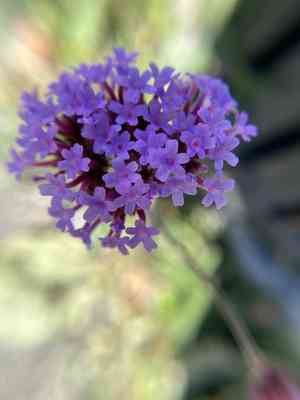
Distinguished by its towering stature and vivid purple flower clusters, purpletop vervain is a cherished perennial due to its elevation and extended flowering period. Essential trimming methods involve removing faded blossoms to stimulate additional flowering and cutting the plant back to soil level in late autumn to foster vigorous spring development. The most effective pruning occurs from early spring until late autumn. Consistent trimming not only preserves a tidy look but also boosts the plant's general well-being and strength.
What Are the Benefits of Pruning Purpletop Vervain?
What Are the Benefits of Pruning Purpletop Vervain?
Trimming purpletop vervain promotes abundant blossoms, revitalizes growth, and maintains a compact shape. It's crucial for vigor and visual appeal, while also helping to prevent issues with pests and diseases.
What Is the Best Time for Pruning Purpletop Vervain?
What Is the Best Time for Pruning Purpletop Vervain?
Trimming purpletop vervain in early spring is advisable as it prepares the plant for robust development by removing dead or old stems before new growth emerges. This results in a healthier, stronger plant that can direct energy into producing fresh stems and flowers. Pruning in late fall, once flowering has finished, helps prevent seed dispersal if self-seeding is not wanted, and tidies the plant, making it less vulnerable to disease and pests over winter. Avoid pruning during the blooming period to not disrupt flowering. The plant is generally resilient and tolerates pruning well; thus, cutting back to a few inches above the ground can encourage denser growth the following season.
What Tools Do I Need to Prune Purpletop Vervain?
Hand Pruners
Perfect for cutting the slender stems of purpletop vervain, hand pruners offer precision and clean cuts, reducing stress on the plant.
Pruning Shears
Since purpletop vervain often requires frequent deadheading and shaping, pruning shears are practical for quick snips and forming.
Long-Handled Pruners
For mature purpletop vervain plants that have grown tall, long-handled pruners can help reach stems without bending or using a ladder.
Gardening Gloves
Hand protection for the gardener while trimming purpletop vervain, ensuring safe handling of the plant and tools.
Disinfectant
To stop the spread of diseases when pruning multiple purpletop vervain plants, tool disinfectant is vital after each use.
How to Prune Purpletop Vervain
Step1: Sterilization of Pruning Tools
Identify and sanitize your pruning tools. Use sharp, clean shears or scissors to ensure precise cuts on purpletop vervain. Sterilize tools with rubbing alcohol or a bleach solution to prevent disease transmission.
Step2: Identification of Dead Flowers
Examine purpletop vervain for spent blooms. These are typically brown or faded flowers at the stem tips. Deadheading is crucial for encouraging reblooming and extending the flowering period.
Step3: Deadheading Brown or Faded Blooms
Remove the dead flowers. Make clean cuts just above a leaf set or a bud, leaving about a quarter-inch of stem. Be careful not to harm any new buds that might be developing below the spent flowerheads.
Step4: Spotting Leggy Stems
Assess purpletop vervain for elongated stems, which are stems that have grown long with few leaves, making the plant appear sparse and untidy. Look for stems significantly longer than others with fewer leaves.
Step5: Pruning to Rejuvenate
To revitalize and reshape purpletop vervain, cut back the leggy stems by about 1/3 of their length. Make the cut just above a leaf node or a branching point where new growth can emerge.
Step6: Cleanup of Pruning Debris
After pruning, clear away the removed material from around the base of purpletop vervain. Decaying plant matter can attract pests and diseases.
Step7: Post-Pruning Watering
Water purpletop vervain sufficiently after pruning. This aids in recovery and promotes new growth. However, avoid overwatering as purpletop vervain prefers well-drained soil.
Step8: Observing New Growth
Monitor purpletop vervain for new growth, which typically appears within a few weeks. Subsequent pruning may be necessary to maintain shape and encourage more blooms.
Step9: Proper Disposal of Cuttings
Dispose of or compost the trimmed material appropriately. Do not leave infected or diseased plant parts in the garden, as they can spread illness to other plants.
Post-Pruning Care for Purpletop Vervain
Post-Pruning Care for Purpletop Vervain
Immediately after trimming purpletop vervain, water thoroughly to assist recovery. Maintain consistent moisture without waterlogging. Position purpletop vervain in full sun to encourage robust growth. Keep the environment around purpletop vervain stable, with mild temperatures and moderate humidity. Post-pruning, apply a balanced, slow-release fertilizer to nourish purpletop vervain. Regularly check for signs of stress, such as discoloration or wilting, and treat promptly with appropriate fungicides or pest control if infections or infestations occur.
Common Pruning Mistakes with Purpletop Vervain
Excessive Cutting Shock
Removing too much of the plant at once can shock purpletop vervain, potentially hindering its growth or leading to poor flowering.
Dull and Dirty Tool Damage
Using blunt or unclean pruning tools can harm the stems of purpletop vervain and introduce diseases to the plant.
Misunderstanding Plant Growth Habit
Pruning without comprehending the growth pattern of purpletop vervain may result in cutting back the plant's essential flowering stems, reducing its bloom potential.
Ignoring Dead or Diseased Stems
Neglecting to remove dead or diseased stems can allow problems to spread, compromising the health and appearance of purpletop vervain.
Pruning Against Natural Plant Structure
Pruning solely for aesthetic reasons without considering the natural shape and structure of purpletop vervain can lead to an unnatural look and might harm the plant's health.
Common Pruning Tips for Purpletop Vervain
Deadheading to Promote Blooming
Regularly remove spent blooms from purpletop vervain to encourage further flowering and prevent self-seeding if not desired.
Sterilizing Tools to Prevent Disease
Sanitize pruning tools before and after use to prevent disease transmission in the garden and to maintain the health of purpletop vervain.
Angled Cuts for Healthy Regrowth
Make angled cuts just above a leaf node or bud to promote healthy regrowth and improve the overall shape of purpletop vervain.
Thinning for Better Air and Light
Thin out crowded stems to increase air circulation and light penetration, which will benefit the overall health and flowering of purpletop vervain.
Retain Foliage for Vigorous Growth
Leave a good portion of the plant untrimmed to ensure that purpletop vervain has enough foliage to photosynthesize and grow vigorously after pruning.



