How to Prune Black haw?
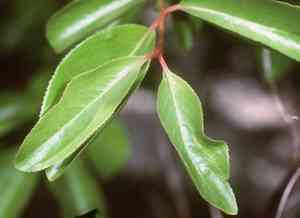
The black haw, a deciduous shrub recognized for its lustrous leaves and groupings of white blossoms, greatly benefits from judicious trimming. Eliminate any lifeless or ailing branches at any point; for structural refinement and revitalization, perform pruning right after its late spring bloom. This schedule facilitates the development of the subsequent year's buds while safeguarding the current season's flowers. Pruning encourages robust development, refines its silhouette, and averts excessive density, thereby preserving the plant's attractive decorative quality.
What Are the Benefits of Pruning Black Haw?
What Are the Benefits of Pruning Black Haw?
Trimming black haw promotes abundant blooms and helps prevent pests and diseases by eliminating unhealthy or infested growth, thereby protecting the plant's vitality and aesthetic appeal.
What Is the Best Time for Pruning Black Haw?
What Is the Best Time for Pruning Black Haw?
Late spring and early summer coincide with black haw's post-flowering period, ensuring its floral display remains intact. Pruning at this time allows for shaping and size management after blooming and before active growth. It also offers a chance to remove spent flowers and prevent unwanted seed production. This timing avoids cutting flower buds set on old wood, which would reduce next season's blooms. Additionally, pruning during these seasons helps black haw heal from cuts during its active growth phase, minimizing disease and stress.
What Tools Do I Need to Prune Black Haw?
Hand Pruners
For accurate cuts on young, tender black haw stems, hand pruners or secateurs are perfect. They ensure clean cuts and minimize plant tissue damage. Opt for bypass pruners due to their scissor-like action, suitable for live wood.
Loppers
When branches are too thick for hand pruners, loppers provide the necessary leverage. They can cut through black haw's thicker stems, up to about 1.5 inches in diameter, without straining the user.
Pruning Saws
For mature black haw with branches exceeding 1.5 inches in thickness, a pruning saw is essential. These are designed for larger, woody stems and create a smooth cut that aids healing.
Hedge Shears
Black haw can develop dense foliage, so for shaping hedges or making light cuts on multiple small stems simultaneously, hedge shears are efficient and provide a uniform appearance.
Pole Pruners
For tall black haw specimens requiring high pruning, pole pruners enable safe access to upper branches from the ground, eliminating the need for a ladder.
How to Prune Black Haw
Step1: Timing for Pruning
Select the appropriate time to prune black haw, which is late winter or early spring before new growth begins. This timing helps prevent disease and reduces plant stress.
Step2: Tool Sterilization
Sanitize your pruning tools before starting and between cuts, especially when removing diseased wood, to prevent pathogen spread.
Step3: Removing Dead Wood
Start by removing any dead wood. Identify dead branches by their lack of leaves and brittle texture. Cut dead branches back to live tissue, making a 45-degree angle cut just above a live bud.
Step4: Pruning Diseased Branches
Inspect black haw for diseased branches, indicated by discoloration, fungi, or visible damage. Prune these branches back to healthy wood, ensuring the cut is well below any affected sections.
Step5: Eliminating Broken Branches
Remove broken branches, which are identifiable by jagged breaks or wounds on black haw. Make clean cuts at least 6 inches into healthy wood to ensure complete removal of any potential disease.
Step6: Shaping and Thinning
After removing dead, diseased, and broken branches, evaluate black haw's overall shape. Thin out the plant's center to improve air circulation and light penetration.
Step7: Correcting Crossing Branches
To maintain black haw's natural form, selectively prune branches that are crossing or rubbing against others, which can lead to wounds and disease.
Step8: Proper Cut Placement
When cutting, ensure all cuts are made at the branch collar (the swollen area where the branch meets the trunk or another branch). Avoid leaving stubs, as they can attract disease and pests.
Step9: Pruning Moderation
Avoid excessive pruning. Never remove more than one-third of black haw's live foliage in a single season, as this could stress the shrub and reduce its vigor.
Step10: Cleanup Post-Pruning
Once pruning is complete, clear all debris from around black haw to minimize the risk of disease and pests. Properly dispose of or destroy any diseased material.
Post-Pruning Care for Black Haw
Post-Pruning Care for Black Haw
Immediately after pruning black haw, water thoroughly to alleviate stress. Ensure black haw receives filtered sunlight and maintain moderate humidity to prevent leaf scorch while ensuring good air circulation. Adjust temperature to 65-75°F to aid healing. Apply a balanced, slow-release fertilizer to support new growth, avoiding high nitrogen. Regularly check cut areas for disease or pests; treat promptly with appropriate fungicides or insecticides if necessary. Monitor soil moisture and provide consistent care for a strong recovery.
Common Pruning Mistakes with Black Haw
Over-Pruning Stresses Plants
Removing too much at once, which can stress black haw and potentially lead to reduced vigor and flowering.
Unsanitized Tools Spread Disease
Failing to sanitize pruning tools before use, which can spread disease to black haw.
Improper Cuts Damage Bark
Cutting branches flush against the trunk, which can damage black haw's bark and result in poor wound healing.
Aimless Pruning Weakens Structure
Pruning without a clear objective or plan, leading to a misshapen or weakened structure.
Ignoring Dead Wood Invites Pests
Neglecting to remove dead, damaged, or diseased wood, which can impede healthy growth and attract pests.
Common Pruning Tips for Black Haw
Sharp Tools for Precise Cuts
Utilize sharp, clean tools to make accurate cuts that will heal quickly, maintaining black haw's health.
Thinning Increases Light and Air
Employ a thinning technique to open up the canopy, which promotes light penetration and air circulation for black haw.
Remove Crossing Branches for Strength
Identify and prioritize the removal of any crossing branches to foster a robust structure.
45-Degree Cuts for Outward Growth
Make cuts at a 45-degree angle just above a bud facing the outside of the plant to direct new growth outward.
Promptly Address Problematic Branches
Regularly inspect black haw for problematic branches, and address them promptly to maintain plant health.
Gradual Pruning for Size Reduction
Prune gradually by spreading the pruning over a couple of seasons if significant size reduction is necessary.



