How to Prune Greater periwinkle?
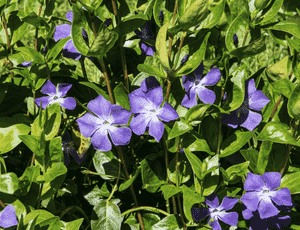
A robust groundcover featuring lustrous foliage and purple-blue blossoms, Vinca major thrives with trimming from early spring until late autumn. Shorten elongated stalks to preserve its form and stimulate denser development. After blooming, snip off faded flowers to encourage subsequent flowering. Shear to manage its expansion in garden plots, ensuring not to cut late in the season to protect new growth from frost. Trimming boosts the plant's vitality and stops it from encroaching on adjacent flora.
What Are the Benefits of Pruning Greater Periwinkle?
What Are the Benefits of Pruning Greater Periwinkle?
Trimming greater periwinkle encourages robust new development, maintaining a compact and appealing form that boosts its decorative appeal, and potentially increasing its flower production.
What Is the Best Time for Pruning Greater Periwinkle?
What Is the Best Time for Pruning Greater Periwinkle?
These periods are considered ideal because early spring pruning allows greater periwinkle to recover and produce new growth as the active season begins. It also helps eliminate any winter damage before new shoots emerge. Pruning in late autumn is advantageous as it aids in shaping greater periwinkle after the primary growth season has concluded and prior to dormancy. This timing prevents undue stress on greater periwinkle, enabling it to mend and store energy for the subsequent growing season. Furthermore, since greater periwinkle flowers on new growth, pruning during these times will not significantly affect the blooming phase.
What Tools Do I Need to Prune Greater Periwinkle?
Hand Pruners
For greater periwinkle, hand pruners or secateurs are perfect for making clean cuts on slender stems. This tool offers precise control, essential for preserving the form and health of greater periwinkle.
Pruning Shears
Pruning shears are effective for trimming and shaping the overgrown sections of greater periwinkle. These shears can handle slightly thicker stems and provide a clean cut, helping to prevent disease.
Gardening Gloves
When handling greater periwinkle, gardening gloves are crucial to shield hands from potential scratches, as greater periwinkle can have somewhat wiry stems.
Garden Knife
A sharp garden knife is useful for cutting away any dead or diseased material from greater periwinkle, ensuring healthy growth and lowering the risk of pathogen spread.
Loppers
For older greater periwinkle plants that may have developed thicker stems, loppers can be used to prune tougher or hard-to-reach areas with their extended handles.
How to Prune Greater Periwinkle
Step1: Timing Pruning for Plant Health
Determine the optimal time for pruning greater periwinkle, which is late winter or early spring before new growth starts, as this helps maintain the plant's health and vigor.
Step2: Tool Sanitization to Prevent Disease
Sanitize your pruning tools to prevent disease transmission. Use a solution of 1 part bleach to 9 parts water to clean the blades.
Step3: Removing Dead or Damaged Stems
Begin by removing damaged or dead stems. Cut these stems back to a healthy section of the plant, ensuring the cut is just above a leaf node at a 45-degree angle to encourage water runoff.
Step4: Cutting Back Overgrown Shoots
Trim overgrown shoots to maintain greater periwinkle's desired size and shape. Cut back overgrown stems by up to one-third of their length, making cuts just above a leaf node or a branching point.
Step5: Pruning Flower Buds for Growth
Remove unwanted flower buds to direct the plant's energy towards growth and foliage production. Pinch the buds between your thumb and forefinger or use pruning shears for a cleaner cut.
Step6: Desired Plant Shaping without Over-Pruning
Shape greater periwinkle as desired, but be careful not to over-prune, which can lead to reduced flowering and vigor. Aim to remove no more than one-third of the plant material in any one season.
Step7: Cleanup of Pruned Material
Clear away the pruned material from around the base of greater periwinkle to deter pests and diseases.
Step8: Post-Pruning Watering
Water greater periwinkle thoroughly after pruning to help reduce plant stress and encourage new growth.
Step9: Monitoring Post-Prune Growth
Observe greater periwinkle after pruning for signs of new growth and health, adjusting care practices as needed to foster a healthy, well-shaped plant.
Post-Pruning Care for Greater Periwinkle
Post-Pruning Care for Greater Periwinkle
Immediately after trimming greater periwinkle, water the soil to aid recovery. Maintain consistent moisture without overwatering, and ensure the plant is in a well-lit, warm environment with moderate humidity. Apply a balanced liquid fertilizer to provide essential nutrients. Regularly check for wilting or discoloration as indicators of stress. If an infection is suspected, treat with an appropriate fungicide. Adapting care to greater periwinkle's response is crucial for its post-pruning health.
Common Pruning Mistakes with Greater Periwinkle
Over-Pruning Shocks Plants
Pruning too severely can shock greater periwinkle, potentially leading to poor growth or even plant death.
Unsterilized Tools Spread Disease
Failing to sterilize pruning tools before use may spread diseases between plants.
Not Removing Dead Growth Hinders Health
Ignoring the removal of dead or diseased growth can impede the health and appearance of greater periwinkle.
Incorrect Timing Affects Flowering
Pruning at the wrong time will impact greater periwinkle's flowering since it blooms on old wood.
Purposeless Pruning Damages Appearance and Growth
Pruning without a clear objective such as shaping, size control, or rejuvenation can result in an undesirable appearance and growth of greater periwinkle.
Common Pruning Tips for Greater Periwinkle
Sharp, Clean Cuts Aid Healing and Disease Prevention
Use sharp and clean pruning shears to make precise cuts, which help greater periwinkle heal faster and reduce the risk of disease.
Prune for Shape and Size with Directional Cutting
Prune greater periwinkle to maintain its desired shape and size by cutting back overgrown stems to a set of leaves that faces in the desired growth direction.
Promptly Remove Dead or Diseased Branches for Health
Remove any dead, damaged, or diseased branches as soon as they're observed to promote healthy growth and improve the overall appearance of greater periwinkle.
Gradual Rejuvenation Encourages Fresh Growth
To rejuvenate overgrown greater periwinkle, gradually prune one-third of the oldest stems to ground level over three years, which encourages fresh growth.
Thinning Increases Airflow and Reduces Disease Risk
Thin out dense growth to increase air circulation and light penetration, which can reduce the risk of disease and improve greater periwinkle's vigor.



