How to Prune Common blue violet?
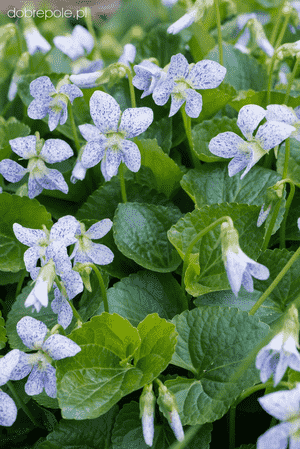
Recognized for its cordate foliage and vivid violet blossoms, Viola sororia flourishes in shaded areas and damp earth. Trimming entails removing faded blooms to stimulate further flowering and shortening elongated stalks to foster a more compact form. The ideal period for pruning is during spring and summer, aligning with its flowering phase. Pruning Viola sororia also helps manage its expansive nature and enhances air movement, thereby lowering the chance of illness. Cutting back close to the soil surface in late winter revitalizes and primes Viola sororia for robust development in spring.
What Are the Benefits of Pruning Common Blue Violet?
What Are the Benefits of Pruning Common Blue Violet?
Trimming common blue violet promotes robust development and helps preserve its form, ensuring a dense, visually appealing structure. Regular cutting eliminates elongated stems, fostering a thicker, healthier plant.
What Is the Best Time for Pruning Common Blue Violet?
What Is the Best Time for Pruning Common Blue Violet?
This timing aligns with the post-flowering period, allowing common blue violet to recover and encourage next season's growth. Pruning in late spring helps remove any damaged or winter-killed tissue, while early summer pruning ensures the removal of spent blooms, which can stimulate new growth and potentially a second bloom. It is important to prune after flowering to avoid cutting off flower buds which form the previous season, maintaining the plant's health and aesthetic appeal.
What Tools Do I Need to Prune Common Blue Violet?
Hand Pruners
Perfect for shaping and trimming common blue violet, hand pruners offer precision and can easily cut through stems without harming the plant.
Garden Scissors
These are suitable for snipping off spent flowers or dead leaves from common blue violet and can be used for detailed pruning tasks.
Pruning Shears
Ergonomic and sharp, pruning shears efficiently cut through common blue violet's stems, making them effective for the removal of unwanted growth.
Pruning Snips
Especially useful for deadheading or removing small, delicate portions of common blue violet, pruning snips offer control for meticulous pruning.
How to Prune Common Blue Violet
Cleanup Dead Flowers
Using hand pruners, gently remove dead flowers from common blue violet to encourage new blooms and prevent self-seeding if not desired.
Remove Old Stems
Identify old stems of common blue violet that have finished their life cycle; they often look dry and brittle. Cut these stems back to the base to promote healthy growth and air circulation.
Check Health
Examine the remaining foliage of common blue violet for any signs of disease or damage. Trim away any unhealthy portions to maintain plant vigor.
Reshape
Lightly shape the outer edges of common blue violet to create a tidy appearance, being cautious not to remove more than one-third of the plant to avoid stress.
Common Pruning Mistakes with Common Blue Violet
Over-Pruning
Removing too much foliage from common blue violet can cause undue stress on the plant, potentially resulting in weak growth or reduced flowering.
Pruning Healthy Blossoms
Cutting back blossoms that have the potential to produce seeds can diminish common blue violet's ability to propagate naturally.
Using Dull Tools
Pruning with dull or dirty tools can damage the stems of common blue violet, leading to jagged cuts that are vulnerable to disease and pests.
Lack Of Sterilization
Neglecting to sterilize pruning tools between cuts can lead to the spread of disease among common blue violet plants.
Incorrect Technique
Making cuts too close to the crown or too far from the buds can inhibit the growth of common blue violet or cause dieback.
Common Pruning Tips for Common Blue Violet
Selective Trimming
Focus on removing only dead or damaged foliage to maintain the health and appearance of common blue violet, being careful not to cut back too aggressively.
Adequate Tool Maintenance
Use sharp, clean tools to make clean cuts and prevent disease transmission while pruning common blue violet.
Post-Bloom Pruning
Trimming common blue violet after flowers have faded, but avoiding heavy pruning, ensures that energy is directed toward healthy growth without impacting the next season's blossoms.
Sterilization Of Tools
Sanitize cutting tools before and after use on common blue violet to prevent the spread of disease.
Cutting Technique
Make angled cuts above leaf nodes to encourage new growth and improve water runoff, ensuring not to damage the node itself.



