How to Prune Johnny jump up?
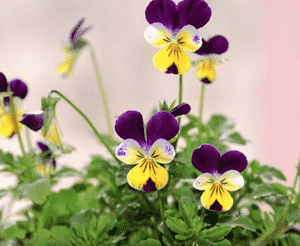
Distinguished by its three-hued blossoms, johnny jump up is an undemanding perennial. Remove spent blooms to encourage fresh development; deadheading boosts flowering. Cut back excessive growth in early spring for revitalization. Refrain from fall pruning to safeguard against frost. Pruning advantages encompass extended blooming and diminished disease susceptibility.
What Are the Benefits of Pruning Johnny Jump Up?
What Are the Benefits of Pruning Johnny Jump Up?
Trimming johnny jump up promotes robust development and maintains its compact shape, ensuring vibrant blossoms and a tidy garden appearance.
What Is the Best Time for Pruning Johnny Jump Up?
What Is the Best Time for Pruning Johnny Jump Up?
Trimming johnny jump up in early spring is optimal as the plant emerges from dormancy, stimulating healthier growth and aiding in shaping before new growth begins. This timing also lowers the risk of disease infection that can occur in more humid conditions. Late fall pruning allows for the removal of spent flowers and dead foliage, which helps prevent disease and pests from overwintering in plant debris. This encourages a neat look and contributes to the plantâs vigor in the next growing season. Both periods enable gardeners to enjoy johnny jump up's blooms throughout its active growth phases without disrupting its life cycle.
What Tools Do I Need to Prune Johnny Jump Up?
Hand Pruners
Given the small size and delicate stems of johnny jump up, hand pruners are perfect for making accurate cuts without causing unnecessary harm to the plant. They provide superior control for deadheading and shaping.
Gardening Scissors
These are suitable for snipping off faded flowers or cutting thin stems of johnny jump up. Their precision allows for a gentle approach, which is crucial for the delicate structure of johnny jump up.
Pruning Snips
These tools are designed for detailed, intricate work and are ideal for reaching into dense foliage to remove dead or yellowing leaves from johnny jump up without disturbing nearby plants.
Gloves
While not a cutting tool, wearing gloves can safeguard the gardener's hands from thorns or sharp edges during pruning johnny jump up, ensuring a safer gardening experience.
How to Prune Johnny Jump Up
Step1: Identifying Plants for Pruning
Locate the johnny jump up plants in your garden that need trimming. Look for faded blooms, spent flowers, and overgrown sections.
Step2: Sanitizing Pruning Tools
Disinfect your pruning shears or scissors before beginning this process to prevent the spread of disease among your plants. Use a 10% bleach solution or rubbing alcohol to clean the tools.
Step3: Trimming Dead Blooms and Spent Flowers
Begin by trimming dead blooms and spent flowers. For johnny jump up, cut the stem just above the first set of healthy leaves below the faded flower. This encourages the plant to produce new blooms.
Step4: Shaping Plant Overgrowth
When dealing with overgrowth, carefully decide the desired shape for your johnny jump up plants. This will guide you in determining which parts to cut back.
Step5: Pinching Back for Bushier Growth
To manage overgrowth and promote a bushier form, pinch back or trim the tips of johnny jump up. Make your cuts about 1/4 inch above a leaf node or branching point to encourage new growth.
Step6: Removing Dead or Diseased Foliage
Remove any dead or diseased foliage you find. This will improve air circulation around the johnny jump up plant and discourage the development of fungal diseases.
Step7: Cutting Back Leggy Plants
If the johnny jump up plant is very leggy or sparse at the base, consider cutting it back to approximately half of its current height to promote denser growth. Always cut at a 45-degree angle to allow for water runoff and prevent disease.
Step8: Watering and Fertilizing Post-Pruning
After pruning, water the johnny jump up plants sufficiently and apply a balanced fertilizer to support their recovery and new growth.
Step9: Cleanup of Plant Trimmings
Regularly clear away any trimmings from around the johnny jump up to prevent pests and diseases from establishing themselves in the fallen plant material.
Step10: Monitoring Pruning Results
Observe your johnny jump up plants' response to pruning over the subsequent weeks and repeat the process as needed to maintain the desired size and shape.
Step11: Avoiding Late-Season Heavy Pruning
Finally, avoid extensive pruning late in the season as this can stimulate new growth that may not survive early frosts.
Post-Pruning Care for Johnny Jump Up
Post-Pruning Care for Johnny Jump Up
After trimming johnny jump up, ensure ample light exposure without direct harsh sun. Maintain moderate humidity and an optimal temperature range for violas. Provide a balanced liquid fertilizer to aid recovery, reducing to biweekly as new growth appears. Observe johnny jump up for wilting, discoloration, or lesions as signs of stress or infection. If detected, isolate and treat accordingly with fungicides or pest control. Regularly check soil moisture and maintain consistent watering, avoiding over-saturation.
Common Pruning Mistakes with Johnny Jump Up
Excessive Foliage Removal
Over-trimming, which can weaken johnny jump up by removing too much foliage, leading to reduced blooming and vitality.
Using Dull or Unclean Tools
Employing dull or dirty pruning tools, which can create jagged cuts that are more vulnerable to disease and pests.
Uninformed or Random Pruning Cuts
Pruning haphazardly without considering the shape or size of johnny jump up, which can result in an unattractive plant and hinder potential flowering.
Ignoring Dead or Diseased Branches
Neglecting to remove dead or diseased foliage, which can impact the overall health and appearance of johnny jump up.
Incorrect Timing of Pruning
Failing to prune at the appropriate time, thus missing the opportunity to stimulate new growth or adequately control plant size.
Common Pruning Tips for Johnny Jump Up
Sharp, Clean Pruning Techniques
Use sharp, clean pruning shears to make precise cuts, which help johnny jump up recover faster and reduce the chance of disease transmission.
Pruning for Shape and Dense Growth
Prune to maintain shape and encourage bushier growth by pinching off the tips of the stems, promoting more vigorous vegetation and potential blooms.
Deadheading for Energy Redistribution
Regularly remove spent flowers to redirect energy towards new blooms and prevent self-seeding if not desired.
Thinning for Better Airflow and Disease Prevention
Thin out crowded areas to improve air circulation, which reduces the risk of fungal diseases common in dense foliage.
Remove Unhealthy Foliage Regularly
Identify and remove any dead, damaged, or diseased foliage to maintain johnny jump up's health and aesthetic appeal.



