How to Prune American wisteria?
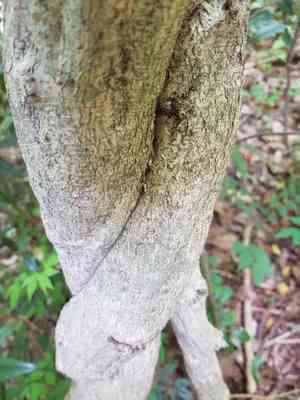
This climbing plant, which sheds its leaves and is recognized for its violet or white blossoms, flourishes with consistent trimming. Essential methods for american wisteria involve reducing dense branches and shortening extended, untamed growths to preserve its form and dimensions. The most effective time for pruning is in late winter or early spring to foster blooming and lessen the chance of frost harm. Trimming american wisteria can stimulate robust development and improve flowering, which is crucial for the plant's well-being and visual attractiveness.
What Are the Benefits of Pruning American Wisteria?
What Are the Benefits of Pruning American Wisteria?
Trimming american wisteria promotes robust development, ensuring its health and manageability. Strategic cuts help maintain its desired form, preventing excessive growth that could otherwise diminish vitality and cause structural problems.
What Is the Best Time for Pruning American Wisteria?
What Is the Best Time for Pruning American Wisteria?
Pruning american wisteria in late winter, before the growing season begins, is ideal for stimulating flowering, as this species produces blooms on the previous year's growth. This timing maximizes the plant's energy for a healthy bloom. Early spring pruning, as the plant emerges from dormancy, helps remove dead or diseased branches, preserving its health and directing energy toward vigorous new shoots. Pruning during these periods also minimizes the risk of frost damage to fresh cuts, ensuring the best outcome for american wisteria's growth cycle.
What Tools Do I Need to Prune American Wisteria?
Bypass Pruners
Perfect for clean cuts on young, live branches up to 3/4 inches in diameter, bypass pruners are crucial for american wisteria due to its tendency to produce new growth that may require shaping or thinning.
Loppers
With longer handles providing extra leverage and reach, loppers are suitable for cutting thicker stems and branches, typically up to 1 1/2 to 2 inches thick, which american wisteria may develop.
Pruning Saw
For mature american wisteria with branches exceeding 2 inches in diameter, a pruning saw is essential. Its sharp, curved blade allows for precise cuts on older, tougher wood.
Hedge Shears
American wisteria can be trained into hedges or specific shapes; using hedge shears for shaping and managing long, unruly shoots ensures an even, aesthetically pleasing contour.
Pole Pruner
As american wisteria can climb to significant heights, a pole pruner is advantageous for accessing and safely trimming higher branches without needing a ladder.
How to Prune American Wisteria
Step1: Optimal Pruning Season
Select the appropriate time of year to prune american wisteria, typically late winter to early spring before new growth starts. Pruning at this time allows for better visibility of the structure and reduces the risk of damaging new shoots.
Step2: Pruning Tool Preparation
Gather all necessary pruning tools, including sharp bypass pruners, loppers for thicker branches, and a pruning saw for dead wood. Sterilize your tools with alcohol to prevent disease spread.
Step3: Removing Dead Wood
Begin by removing any dead wood. Carefully identify dead branches by their brittle nature and lack of green inside the bark. Make clean cuts at the base of the dead wood to avoid leaving stubs that can be entry points for pests and diseases.
Step4: Encouraging Flowering
Prune non-flowering shoots to promote blooming and control the size of american wisteria. Cut back last year's growth to a point 2 or 3 buds from the base. This will encourage the development of spurs that produce flowers.
Step5: Controlling Vine Growth
Address overgrown vines by cutting back excessively long or poorly placed vines to maintain the desired shape. Use caution to preserve a framework of old wood since american wisteria flowers on both new and old growth.
Step6: Improving Plant Health
Thin out dense areas to improve air circulation and light penetration. Make selective cuts to remove one in three stems, focusing on older or weaker growth to rejuvenate the plant.
Step7: Shaping and Branching
Shape american wisteria by pruning lateral branches to maintain a tidy appearance and encourage branching where desired. Make cuts just above a leaf joint, angling the cut away from the bud to avoid damaging it.
Step8: Post-Pruning Cleanup
Re-evaluate the overall shape and health of american wisteria after pruning and make any final touch-ups. Remove all clippings and debris from around the base of the plant to discourage pests and diseases.
Step9: Seasonal Pruning Maintenance
Monitor american wisteria throughout the growing season for any necessary corrective pruning, but avoid significant cuts during late summer to prevent the removal of buds that will bloom the following spring.
Post-Pruning Care for American Wisteria
Post-Pruning Care for American Wisteria
After trimming american wisteria, promptly water to keep the soil moist but not waterlogged. Ensure american wisteria is placed in an area with full sun to partial shade. Maintain ambient humidity and avoid temperature extremes. Promptly apply a balanced, slow-release fertilizer to aid recovery. Regularly inspect american wisteria for signs of stress, like wilting or discoloration, and for infection indicators, such as unusual growths or ooze. If symptoms are present, treat with appropriate fungicides or pest control methods and potentially consult a horticulture expert.
Common Pruning Mistakes with American Wisteria
Indiscriminate Cutting Affecting Blooms
Random Cutting: A common error is cutting american wisteria's branches without understanding its growth pattern. This can lead to reduced flowering, as american wisteria blooms on old wood.
Over-pruning Leading to Stress
Excessive Pruning: Removing too much growth at once can stress american wisteria, potentially leading to weak growth and fewer blooms.
Ignoring Plant's Natural Shape
Disregarding Shape and Support: Failing to consider american wisteria's natural shape and potential size when pruning can lead to an unbalanced and unsupported plant, which may not flower optimally or could become damaged.
Common Pruning Tips for American Wisteria
Pruning for Structural Integrity
Focus on Structure: Prune american wisteria to maintain a strong framework, removing any dead or diseased wood and thinning out crowded growth to allow light and air flow, which aids in reducing disease risk and encourages healthy blooms.
Selective Pruning for Vigor
Selective Pruning: Aim to selectively cut back or thin out a few main stems to keep american wisteria's growth vigorous, focusing on older stems to stimulate the development of new shoots that will flower in future seasons.
Training for Supportive Growth
Support Training: As american wisteria is a climbing plant, training it onto a sturdy structure and pruning to fit this form can help manage size, improve health, and enhance its display when it flowers.



