How to Prune Cardboard palm?
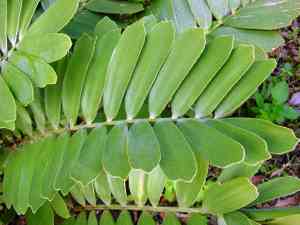
This venerable, palm-like specimen is distinguished by its robust, tough leaves that mimic cardboard. Essential trimming techniques for the cardboard palm entail excising deceased fronds and depleted cones from the base, making sure incisions are precise to deter illness. The most suitable time for pruning is during the winter season when development is sluggish. Meticulous trimming preserves its form and fosters well-being, allowing the plant to preserve vitality and nutrients. Recommended safety equipment should be worn due to its pointed foliage.
What Are the Benefits of Pruning Cardboard Palm?
What Are the Benefits of Pruning Cardboard Palm?
Trimming cardboard palm encourages vigorous development while preserving its desired compact shape. Strategic cuts can revitalize the plant, ensuring it stays vibrant and well-proportioned in the landscape.
What Is the Best Time for Pruning Cardboard Palm?
What Is the Best Time for Pruning Cardboard Palm?
During winter, cardboard palm experiences a slower growth period, which is the most opportune time to prune without stressing the plant. Pruning in this season allows for the removal of any damaged or diseased foliage before the active growth phase begins in spring. This timing also reduces the risk of infection, as fewer pests and diseases are common in colder weather. Additionally, winter pruning enables the plant to recover and direct its energy towards new growth when temperatures rise. Since pruning is primarily for shaping and removing unwanted growth, interfering with flowering or fruiting is not a concern for cardboard palm.
What Tools Do I Need to Prune Cardboard Palm?
Hand Pruners
Perfect for snipping dead leaves or branches on cardboard palm, hand pruners offer accuracy and ease of use for small cuts.
Lopping Shears
Useful for thicker stems that hand pruners cannot manage, lopping shears provide greater leverage for cutting.
Protective Gloves
Due to potential irritants in cardboard palm's sap, gloves safeguard the skin during pruning tasks.
Pruning Saw
When dealing with exceptionally thick stems, a pruning saw can make clean cuts without harming cardboard palm.
Disinfectant
To prevent the spread of disease while trimming cardboard palm, cleaning tools with a disinfectant is crucial.
Garden Shears
For shaping cardboard palm or trimming off excess growth, garden shears can provide a more controlled and even cut.
How to Prune Cardboard Palm
Step1: Safety and Tool Preparation
Wear protective gloves and use sharp, clean pruning shears or scissors to prevent any harm to cardboard palm and to shield yourself from the plant's sharp edges.
Step2: Dead Fronds Identification
Identify the dead fronds of cardboard palm that are brown, dry, and lack vigor. These are typically the older leaves found at the base of the plant.
Step3: Trimming Dead Fronds
Cut the dead fronds at the point where they emerge from the trunk. Make the cut as close to the trunk as possible without causing damage. This will help encourage new growth and maintain a neat appearance.
Step4: Damaged Stems Inspection
Examine cardboard palm for damaged stems, which may be caused by physical injury or disease. Look for any stems that are discolored, broken, or showing signs of decay.
Step5: Removal of Damaged Stems
Prune the damaged stems back to a healthy part of the plant. If the entire stem is damaged, remove it completely at its base, making a clean cut close to the trunk. Avoid leaving stubs as these can lead to rot or disease.
Step6: Post-Pruning Cleanup
Dispose of all trimmed material away from cardboard palm to prevent the spread of any potential diseases, and clean the tools used to prevent cross-contamination.
Step7: Pruning Moderation
Avoid over-pruning cardboard palm as this can cause stress to the plant. Only remove what is necessary for the plant's health and shape.
Step8: Post-Pruning Plant Care
After pruning, water cardboard palm thoroughly and provide proper care to help it recover from the stress of pruning and to stimulate new growth.
Post-Pruning Care for Cardboard Palm
Post-Pruning Care for Cardboard Palm
After trimming cardboard palm, immediately water the soil thoroughly to reduce stress. Place the plant in an area with bright, indirect light and maintain temperatures between 65-75°F, avoiding cold drafts. Ensure humidity levels are moderate. Begin fertilization with a balanced, slow-release formula after 4-6 weeks to aid recovery. Monitor cardboard palm for browning leaves or rot, indicative of stress or infection. If such signs appear, adjust care and consult a specialist if necessary. Consistent care encourages healthy regrowth.
Common Pruning Mistakes with Cardboard Palm
Unnecessary pruning of healthy fronds
Trimming live fronds that are not damaged or diseased, which can weaken cardboard palm and diminish its aesthetic appeal.
Using dull or dirty pruning tools
Employing dull or unclean pruning tools, risking the introduction of diseases or pests, and making imprecise cuts that can harm cardboard palm.
Damaging the terminal growth bud
Removing the terminal bud or the center of growth in cardboard palm, as this can halt the production of new fronds and potentially kill the plant.
Excessive pruning causing plant stress
Cardboard palm requires minimal trimming; over-pruning can stress the plant and make it more susceptible to diseases and pests.
Common Pruning Tips for Cardboard Palm
Disinfect tools to prevent disease spread
Disinfect your pruning tools before and after trimming cardboard palm to prevent the spread of disease among your plants.
Prune only damaged fronds with sharp tools
Prune only brown, dead, or damaged fronds close to the base, using sharp, clean tools to make precise cuts without tearing the stem tissue.
Preserve green fronds for health
Avoid trimming green fronds as they still contribute to cardboard palm's growth and photosynthesis, necessary for its overall health and development.
Use gloves to handle toxic plants
Wear gloves and protective clothing when pruning cardboard palm since it contains toxic compounds that can be harmful if ingested or if they come into contact with skin.
Gradual size reduction to lessen stress
If you need to reduce cardboard palm's size for spatial reasons, do it gradually over time rather than all at once, to minimize stress on the plant.
Monitor plant recovery post-pruning
Monitor cardboard palm after pruning for signs of stress or disease, providing extra care and attention in its recovery phase.



