How to Prune Japanese zelkova?
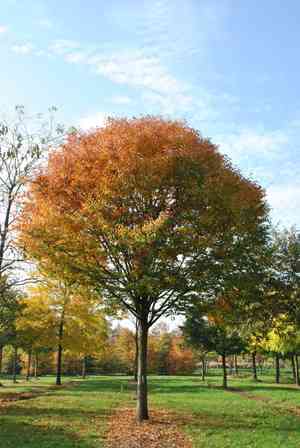
Celebrated for its distinctive vase-like form and toothed foliage, japanese zelkova flourishes with judicious trimming. Initially, eliminate any deceased or ailing limbs, then sculpt the plant to preserve its architecture, concentrating on excessively thick sections to boost light infiltration and air circulation. The perfect time for pruning is in late winter to early spring prior to leaf emergence, preventing sap leakage and fostering robust development. Pruning refines its appearance, lessens wind impact, and cultivates a sturdy framework for extended vitality.
What Are the Benefits of Pruning Japanese Zelkova?
What Are the Benefits of Pruning Japanese Zelkova?
Trimming japanese zelkova promotes robust development and maintains its desired form. Regular cutting aids in establishing a sturdy framework, preventing branch failure and enhancing overall tree vitality.
What Is the Best Time for Pruning Japanese Zelkova?
What Is the Best Time for Pruning Japanese Zelkova?
Pruning japanese zelkova in late winter allows for quick healing before the growing season starts, avoiding potential harm from freezing temperatures. This timing also reduces the risk of pathogen spread when cuts are fresh. Early spring pruning is also beneficial, just before new growth emerges. This helps direct japanese zelkova's energy into producing new branches and leaves, fostering vigorous growth for the upcoming season. Avoid cutting in the fall, as this can stimulate new growth that may not harden off in time for winter. Additionally, during active growth in late spring and summer, extensive pruning might stress the plant and divert energy from essential development.
What Tools Do I Need to Prune Japanese Zelkova?
Hand Pruners
Perfect for making clean cuts on small branches of japanese zelkova, typically under 3/4 inches in diameter. They offer precision, vital for preserving the tree's natural shape and preventing unnecessary harm.
Lopping Shears
Suitable for branches up to 1 1/2 inches in diameter. These shears provide more leverage than hand pruners due to their long handles, which is useful for reaching higher branches without a ladder.
Pruning Saw
Ideal for cutting through branches exceeding 1 1/2 inches in diameter. Japanese zelkova can have thicker branches requiring a saw; it ensures clean cuts without tearing, crucial for the tree’s health and recovery process.
Pole Pruner
Helpful for reaching elevated branches without needing to climb. They combine a saw and lopping shears on an extendable pole, allowing safe pruning of japanese zelkova at greater heights from the ground.
Hedge Shears
While not typically used for removing large branches, they are useful for shaping and trimming the foliage of japanese zelkova if necessary, especially when forming hedges or specific designs.
How to Prune Japanese Zelkova
Step1: Identify Weak and Diseased Limbs
Examine japanese zelkova for unhealthy limbs, unnecessary stump sprouts, and dead branches. These are your primary targets for removal as they can hinder the tree's growth and vitality. Look for limbs with discolored bark or leaves, sprouts emerging from the tree's base or trunk, and any branches lacking leaves or showing signs of decay.
Step2: Sterilize Pruning Equipment
Sanitize your pruning tools before use to prevent disease transmission. You can use a solution of 1 part bleach to 9 parts water to dip or wipe the blades. Proper tool hygiene is essential, especially when cutting away diseased material.
Step3: Prune During Dormancy
Begin pruning in late winter to early spring when japanese zelkova is dormant. This timing helps the tree recover faster and minimizes the risk of disease spread that can occur in warmer, more humid conditions.
Step4: Remove Diseased Limbs
Start by removing any diseased limbs. Cut the limb at least 3-5 inches into healthy tissue to ensure all disease is eliminated. Make sure to cut at a downward angle to prevent water accumulation that could lead to rot.
Step5: Eliminate Stump Sprouts
Trim unnecessary stump sprouts using clean, sharp cuts. These sprouts can deplete energy from japanese zelkova and impede its proper development. Cuts should be made flush to the trunk or parent branch to promote better healing and prevent excessive sprouting.
Step6: Trim Dead Branches
Cut away dead branches, which are identifiable by their brittle nature and lack of green living tissue when the bark is lightly scratched. When removing dead branches, make your cuts just beyond the branch collar without harming it, as the collar contains tissues that aid in the tree's healing.
Step7: Shape for Aesthetics
If needed, shape japanese zelkova for aesthetic purposes by selectively pruning to maintain a pleasing, natural form. Avoid over-pruning as this can stress the tree. Generally, do not remove more than 25% of the canopy in a single year.
Step8: Clean Tools Post-Pruning
After completing all cuts, clean your tools again to prevent the spread of any potentially undiscovered diseases. It is also advisable to seal any larger cuts with a tree wound dressing to promote healing and protect them from pests and decay.
Step9: Dispose of Pruning Debris
Properly dispose of all removed limbs, sprouts, and branches by burning, chipping, or according to community guidelines to prevent the potential spread of disease.
Step10: Post-Pruning Tree Care
Follow up with appropriate aftercare for japanese zelkova, including watering during dry periods and applying mulch around the base to maintain soil moisture and temperature. This will support the tree's recovery from the pruning.
Post-Pruning Care for Japanese Zelkova
Post-Pruning Care for Japanese Zelkova
Immediately after pruning japanese zelkova, begin with thorough watering to alleviate shock. Maintain balanced soil moisture, avoiding waterlogging. Provide filtered sunlight, shielding japanese zelkova from harsh direct rays and monitoring ambient humidity and temperature to prevent stress. Apply a balanced, slow-release fertilizer to aid recovery. Regularly inspect japanese zelkova for wilting or discoloration indicating stress or infection. At the first sign of such issues, adjust care routines and consult a plant health expert if necessary for targeted treatments.
Common Pruning Mistakes with Japanese Zelkova
Overly Aggressive Pruning Harms Plant Structure
Pruning too severely, which can cause stress to japanese zelkova and result in a weak structure or poor health.
Improper Cuts Near Trunk Damage Branch Healing
Making cuts too close to the trunk or parent branch, potentially harming the branch collar and hindering proper healing.
Pruning in Wet Conditions Risks Disease Spread
Pruning during periods of high disease pressure or when the plant is wet, which increases the risk of spreading diseases to japanese zelkova.
Delayed Removal of Dead Limbs Attracts Pests
Failing to remove dead or diseased branches promptly, which can attract pests and further disease.
Dull Tools Result in Rough, Infection-Prone Cuts
Using dull or unsanitized pruning tools, leading to rough cuts that are more susceptible to infections.
Unnatural Pruning Reduces Plant Vigor
Disregarding the natural shape of japanese zelkova and creating an unnatural appearance or diminishing the plant's vigor by excessive pruning.
Common Pruning Tips for Japanese Zelkova
Sterilize Tools to Protect Plant Health
Sanitize pruning tools before and after use to prevent the spread of disease to or from japanese zelkova.
Angle Cuts for Healthy Growth and Water Runoff
Ensure cuts are made at a 45-degree angle above outward-facing buds to promote proper water drainage and healthy new growth.
Prune to Maintain Natural Shape and Airflow
Follow the natural vase-like shape of japanese zelkova when pruning, removing crossing or rubbing branches to maintain good air circulation and sunlight penetration.
Thin Instead of Topping to Keep Strong Structure
Focus on thinning rather than topping, which preserves the strength of the main branches and the overall structure of japanese zelkova.
Promptly Cut Dead Branches for Plant Health
Make clean cuts to remove dead, diseased, or damaged branches as soon as they are identified, regardless of season, to maintain japanese zelkova's health.
Support Strong Growth with Central Leader
Retain a strong central leader and evenly spaced lateral branches for young japanese zelkova to ensure a sturdy framework for future growth.
Balance Root and Crown for Stable Development
Prune to maintain a balance between root size and the crown, as drastic reductions can destabilize japanese zelkova and affect its development.



