Boost Growth: How and When to Repot Your Tree aeonium Plant
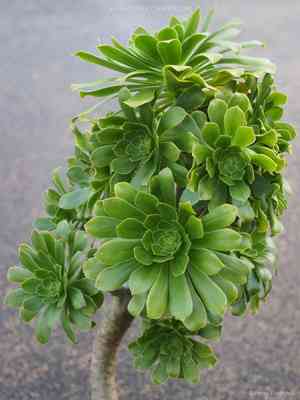
1
The best period to transplant Tree aeonium is in the spring or winter.
2
Confirm the fresh container offers adequate drainage to avoid root decay.
3
Tree aeonium thrives in soil that drains efficiently and is sandy in texture.
Why Replant Your Tree aeonium?
Indicators that your Tree aeonium requires transplanting
Unsure if your Tree aeonium needs a new container? Watch for these clues: roots emerging from drainage openings, leaves turning yellow or falling off, or if the plant appears top-heavy and unstable. These signs suggest the plant needs more room to develop and flourish.
Advantages of transplanting for plant vitality and appearance
Replanting your Tree aeonium offers numerous advantages. It aids in revitalizing the soil, which can become compressed and lose nutrients over time. Additionally, transplanting provides an opportunity to prune dead roots and check for any pests. A new container can also enhance the visual appeal of your indoor or outdoor area.
Selecting the Appropriate Container and Substrate for Your Tree aeonium
Choosing a container with adequate drainage
When picking a container for your Tree aeonium, ensure it has sufficient drainage holes. Proper drainage is vital for preventing water from accumulating at the bottom, which can lead to root rot. Consider materials like terracotta or plastic. Terracotta pots are heavier and can help stabilize larger plants, while plastic pots are lighter and generally more economical.
Key soil characteristics for Tree aeonium
Tree aeonium flourishes in well-draining, sandy soil. A soil mixture formulated for cacti or succulents performs best. These mixes typically contain a blend of sand, perlite, and a small amount of organic matter to ensure the soil doesn't retain excessive moisture, which can be harmful to your plant.
Step-by-Step Guide to Replanting Your Tree aeonium
Preparing your work area and necessary tools
Before you begin replanting, gather all essential tools and materials. You will need a new pot with drainage holes, fresh succulent or cactus soil mix, a small shovel, and gardening gloves. Select a workspace thatâs easy to clean, ideally outdoors or on a spread-out newspaper indoors.
Extracting the plant from its current container
Gently remove the Tree aeonium from its existing pot. Turn the pot sideways and tap the base while holding the plant's bottom. This will help loosen the soil, making it easier to slide the plant out without harming the roots.
Root pruning and soil replacement methods
Examine the roots for any indications of rot or disease, trimming away any dead or soft roots with sterilized shears. Shake off the old soil from the roots and spread them out evenly. This will encourage improved growth in the new container.
Positioning and final touches after transplanting
Place a small amount of soil at the bottom of the new pot. Position the Tree aeonium in the center, then fill around it with soil, gently pressing down to eliminate air pockets. Water lightly to help the soil settle but avoid overwatering.
Post-Transplanting Care Advice for Tree aeonium
Watering and fertilization requirements after replanting
After transplanting, itâs crucial not to water the Tree aeonium immediately. Wait for approximately one week to allow the roots to acclimate to their new surroundings. When it's time to water, ensure the soil is dry between waterings. Use a balanced, water-soluble fertilizer diluted to half strength once a month during the active growth period.
Monitoring development and managing light exposure
Tree aeonium thrives in bright, indirect sunlight. If placed indoors, position it near a window with ample sunlight. Outdoors, choose a spot that receives partial shade to protect the leaves from scorching. Observe the plant for any signs of distress, such as leaf yellowing or wilting, and adjust its location accordingly.



