Boost Growth: How and When to Repot Your Soap aloe Plant
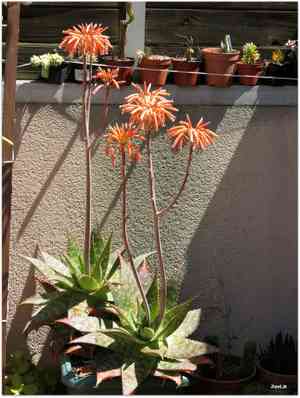
1
Transplanting Soap aloe every two to three years promotes robust development and prevents its roots from becoming constricted.
2
Soap aloe thrives in a soil blend that drains efficiently, like a cactus or succulent substrate.
3
Spring and winter are the optimal times for repotting Soap aloe.
Reasons to Replant Your Soap Aloe
Recognizing Indications of a Root-Bound Specimen
As your Soap aloe matures, it might outgrow its current container, leading to a state known as being root-bound. A root-bound plant exhibits roots that are tightly packed and frequently encircle the pot's interior. Clues include roots emerging from drainage openings, stunted development, and yellowing foliage.
Advantages of Replanting for Plant Vitality
Replanting offers new substrate and increased room for your Soap aloe to flourish. Fresh soil boosts nutrient availability, while a larger container facilitates enhanced root growth. This practice aids in preventing diseases and fosters healthier, more robust development.
Selecting the Appropriate Container and Substrate for Soap Aloe
Choosing the Optimal Pot Size and Material
Select a container that is one size larger than the current one, providing ample room for the root system to expand. Pots crafted from breathable materials like terracotta are excellent as they help prevent overwatering. Ensure the pot has drainage openings to avoid water retention, which can cause root decay.
Ideal Soil Mixtures for Soap Aloe
Opt for a well-draining soil blend, such as a cactus or succulent mix. These blends typically comprise a combination of organic matter and minerals, allowing water to drain efficiently. If you prefer to formulate your own mix, combine equal parts potting soil, sand, and perlite.
Detailed Instructions for Replanting Soap Aloe
Preparing Your Plant and Work Area
Begin by gathering all necessary supplies: a new container, soil blend, protective gloves, and a small shovel. Hydrate your Soap aloe the day before replanting to simplify extraction. Lay down newspaper or a tarp to collect any spilled substrate.
Carefully Removing the Plant from its Old Container
Gently invert the pot, supporting the plant's base with one hand. Tap the bottom of the container to loosen the plant and slide it out. Exercise caution to avoid damaging the roots during this process.
Placing the Soap Aloe in the New Container
Fill the base of the new pot with a layer of fresh soil blend. Position the Soap aloe in the center and fill in around the roots with more substrate. Lightly compress the soil to eliminate air pockets, ensuring the plant is stable.
Post-Repotting Care: Ensuring a Smooth Adjustment
Following replanting, thoroughly water the plant and place it in a location with indirect sunlight. Refrain from fertilizing for a few weeks to allow the plant to acclimate. Observe the plant for any indications of stress, such as wilting or discoloration.
FAQs: Common Inquiries Regarding Replanting Soap Aloe
How frequently should Soap aloe be replanted?
It's advisable to replant Soap aloe every 2-3 years. This prevents the plant from becoming root-bound and ensures it has access to fresh soil and nutrients.
Can I utilize a decorative pot without drainage holes?
While ornamental pots can be attractive, it's essential to use one with proper drainage openings. Excess water without an escape route can lead to root rot, which is detrimental to Soap aloe's health. If you prefer a decorative pot, you can place a functional pot with drainage inside it.
What is the optimal season for replanting?
Soap aloe can be replanted in both spring and winter. These seasons provide ideal conditions for the plant to recover from the stress of replanting and establish itself in the new substrate.



