Boost Growth: How and When to Repot Your Japanese camellia Plant
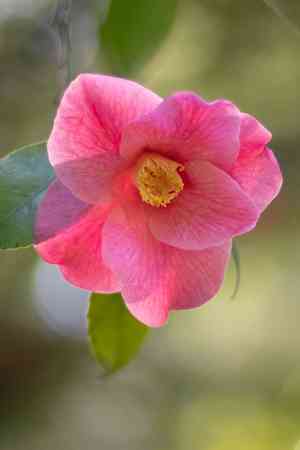
1
It's best to repot Japanese camellias either in early spring or late winter.
2
Select a new container that measures 5-7 cm (2-3 inches) wider across than its predecessor.
3
Opt for a soil blend that drains efficiently and has a slightly acidic pH to promote vigorous development.
Recognizing When Your Japanese Camellia Needs a New Home
Indicators of Constricted Roots in Japanese Camellia
A primary sign your Japanese camellia needs repotting is root congestion. When roots start circling the container or emerging from drainage openings, it signals the plant has outgrown its present container. You might also observe stunted development, yellowing foliage, or the plant becoming root-bound, where excessive roots hinder growth.
Consequences of an Outgrown Container
Keeping your Japanese camellia in an undersized pot can cause several problems. The plant might suffer from restricted development, nutritional deficits, and poor water uptake. Ultimately, this can lead to diminished blooms and even a decline in plant vitality. Thus, repotting not only provides more space for root expansion but also revitalizes the soil, delivering essential nutrients.
Selecting the Appropriate Container and Substrate for Your Japanese Camellia
Choosing the Correct Pot Dimensions and Material
When picking a new container for your Japanese camellia, aim for one that is 5-7 cm (2-3 inches) wider in diameter than its current pot. The material is also vital; ceramic or terracotta pots are excellent choices as they are porous, assisting with moisture regulation. Ensure the pot has sufficient drainage holes to prevent water accumulation.
Optimal Soil Mixture for Japanese Camellia
The growing medium for your Japanese camellia should be free-draining and slightly acidic. A blend of equal parts peat moss and standard potting soil works effectively, or you can use a specialized camellia or azalea mix available at garden centers. This ideal soil composition will facilitate proper nutrient absorption and encourage robust growth.
A Detailed Guide to Repotting Your Japanese Camellia
Preparing the Plant and Tools
Before starting, gather all necessary items: a new pot, fresh soil, a hand trowel, gloves, and possibly a watering can. Lightly water your Japanese camellia the day before repotting to simplify removal and minimize plant stress.
Extracting Japanese Camellia From Its Current Pot
Gently turn the plant on its side and lightly tap the base of the pot to loosen the root mass. If the roots are adhering to the pot, use a knife to carefully separate them. Proceed with caution to avoid damaging the root system.
Placement and Planting in the New Container
Place a layer of new soil at the bottom of the new pot. Position your Japanese camellia in the center and fill the sides with more soil, gently firming it around the roots. Ensure the plant is not set deeper than it was in its previous pot.
Aftercare for Your Repotted Japanese Camellia
Post-Repotting Irrigation
After repotting, water the Japanese camellia thoroughly but avoid oversaturation. The soil should remain damp but not waterlogged. Consistent watering aids the plant in establishing its roots in the new container.
Adjusting Illumination and Temperature
Place your repotted Japanese camellia in a spot with bright, indirect light. Avoid exposing it to direct afternoon sun, which can be too harsh. Maintain a stable temperature between 10-20°C (50-68°F) to ensure the plant adapts well.



