Boost Growth: How and When to Repot Your Burmese fishtail palm Plant
1
The best period to repot your Burmese fishtail palm is during the spring season.
2
Select a container that is 2-3 inches (5-8 cm) wider in diameter than its present one.
3
Burmese fishtail palm thrives in a potting medium that offers excellent air circulation and water drainage.
Determining the Optimal Time to Replant Your Burmese Fishtail Palm
Indicators that your Burmese fishtail palm requires repotting
Recognizing when to transfer your Burmese fishtail palm to a new container is crucial for its vitality and development. Common indicators include roots emerging from drainage holes, rapid soil drying, or the plant becoming top-heavy and unstable. When roots are constricted, they hinder the plant's ability to absorb water and nutrients, leading to stunted growth.
Understanding the growth habits of Burmese fishtail palm
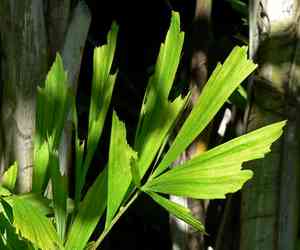
The Burmese fishtail palm exhibits a distinct growth pattern, producing new fronds from a central point. This palm is known for its lush, dense foliage resembling a fishtail, hence its name. As it matures, the plant needs more space for its root system to expand, necessitating occasional repotting when its current container becomes restrictive.
Selecting the Perfect Pot and Growing Medium for Burmese Fishtail Palm
Choosing the appropriate pot size and material
When selecting a pot for your Burmese fishtail palm, it's vital to pick one that offers ample room for growth. Ideally, the new pot should be 2-3 inches (5-8 cm) wider in diameter than the existing one. Terracotta pots are a popular choice as they promote better air circulation to the roots. Ensure the pot has adequate drainage holes to prevent water accumulation.
Optimal soil blends for Burmese fishtail palm
The Burmese fishtail palm thrives in well-aerated and well-draining soil. A high-quality potting mix combined with perlite or sand will encourage robust root development. Ensure the soil is rich in organic matter yet loose enough for efficient water flow, preventing root decay.
A Step-by-Step Guide to Repotting Your Burmese Fishtail Palm
Preparing your work area and tools
Begin by setting up your workspace with all necessary equipment. You'll need a new pot, fresh potting mix, a small trowel or spade, gardening gloves, and a watering can. Lay down newspaper or a plastic sheet to catch any spilled soil and simplify cleanup.
How to safely extract your Burmese fishtail palm from its current pot
Carefully tilt the pot onto its side and gently ease the plant out by tapping the container's edges. Avoid pulling the plant by its fronds, as this can cause damage. If the plant is stuck, you can run a knife along the inner rim of the pot to loosen it. Gently remove excess soil from the roots and inspect them for any signs of disease or rot, trimming away any compromised sections.
Transplanting and positioning in the new container
Add a layer of fresh soil to the base of the new pot before centering your Burmese fishtail palm. Fill in around the plant with more soil, pressing down gently to eliminate air pockets. Ensure the plant is seated at the same depth as it was in its previous pot. Water the plant thoroughly after repotting, allowing any excess water to drain away.
Post-repotting care: Watering and placement advice
After repotting, position your Burmese fishtail palm in a spot with bright, indirect light. Water it moderately, keeping the soil moist but not saturated. Avoid placing the plant in direct sunlight, as this can cause stress. Monitor the plant closely, adjusting watering as needed, and ensuring it adapts well to its new pot.
Addressing Common Issues After Repotting Your Burmese Fishtail Palm
Managing signs of stress or shock in Burmese fishtail palm
It's common for your Burmese fishtail palm to exhibit signs of stress after repotting. This can include wilting, yellowing fronds, or slowed growth. To alleviate stress, maintain a stable environment for the plant and ensure consistent care. Sometimes, a diluted solution of a balanced, water-soluble fertilizer can aid in its recovery.
Strategies for handling pests or diseases in fresh soil
Following repotting, your Burmese fishtail palm may be more vulnerable to pests or diseases. Keep a close watch for common pests like spider mites or aphids, and treat them promptly with insecticidal soap. Ensure good hygiene by removing dead or decaying material from the soil surface. If you observe signs of disease, such as root rot, opt for an appropriate fungicidal treatment.



