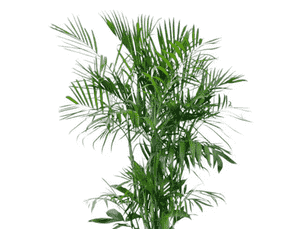
Boost Growth: How and When to Repot Your Bamboo palm Plant
1
Spring is the best season for transplanting your Bamboo palm.
2
Selecting an appropriate container size promotes healthy root development and plant steadiness.
3
Following repotting, shield your Bamboo palm from intense sun exposure for a short period.
The Importance of Repotting Your Bamboo Palm
Recognizing the indicators that your Bamboo palm requires a new container
Repotting your Bamboo palm is more than a routine task; it's crucial for the plant's well-being and development. Key signs that your Bamboo palm needs repotting include roots emerging from drainage holes, the plant becoming unstable or leaning, foliage turning yellow, and stunted growth. These signals indicate a constricted root system and a need for more space and nutrients to flourish.
The advantages of timely transplantation for plant vitality and development
Prompt repotting of your Bamboo palm offers numerous benefits. It promotes healthier root growth and enhances nutrient absorption, leading to more vigorous development. Fresh potting mix typically provides better aeration and improved drainage, which are essential for preventing root rot and other ailments. Furthermore, a larger pot allows roots to expand, supporting the plant's overall structure and leaves.
Selecting the Appropriate Pot and Soil for Your Bamboo Palm
Choosing the perfect pot size and material
Selecting the correct pot is vital when transplanting your Bamboo palm. The new container should be 2-5 cm (1-2 inches) wider in diameter than the current one to allow ample room for root expansion. Ensure the pot has drainage holes to prevent water accumulation. Regarding material, terracotta pots are excellent for breathability but can be heavy, while plastic pots are lighter and often more economical.
Optimal soil blends for encouraging drainage and growth
The soil mixture you use significantly impacts your Bamboo palm's health. A well-draining potting mix is ideal. You can use a standard commercial potting soil enhanced with perlite or sand to improve drainage. Avoid dense soils that retain too much moisture, as they can cause root rot. Incorporating compost or organic matter can also supply additional nutrients to support your plant's growth.
A Step-by-Step Guide to Repotting Your Bamboo Palm
Preparing your work area and gathering necessary supplies
Begin by setting up your workspace. Choose a well-ventilated spot, ideally outdoors or in an area where soil spills can be easily cleaned. Collect all required tools, including a new pot, fresh potting mix, a trowel, a watering can, and gardening gloves. Having everything ready beforehand ensures a smooth repotting process.
Methods for safely extracting your Bamboo palm from its current container
When removing your Bamboo palm from its existing pot, proceed gently to avoid root damage. Carefully tilt the pot and tap its sides to loosen the soil and roots. A trowel can assist in easing the plant out if necessary. If the plant is root-bound, gently untangle the roots with your fingers. Trim any dead or decaying roots before moving the plant to its new pot.
Transplanting and positioning your Bamboo palm in its new container
Place a layer of fresh potting mix at the base of the new pot. Center your Bamboo palm and gradually add soil around it, filling the pot to about 2.5 cm (1 inch) from the rim. Lightly press the soil to remove air pockets, but avoid over-compacting it. The plant should sit at the same level in the new pot as it did previously.
Crucial post-repotting care tips to ensure your Bamboo palm thrives
After repotting, thoroughly water your Bamboo palm until water drains from the bottom, ensuring the soil is uniformly moist. Place the plant in indirect light and keep it away from direct sunlight for a few days to minimize stress. Continue regular watering but be careful not to overwater. Within a few weeks, your plant should recover and begin to show new growth.
FAQs: Common Concerns Regarding Bamboo Palm Repotting
How frequently should you repot your Bamboo palm?
The frequency of repotting your Bamboo palm depends on its growth rate, but typically, it should be repotted every 2-3 years. Younger plants may require more frequent repotting, while mature ones can go longer without needing a change. Monitoring the root system and plant size will help determine the optimal repotting schedule.
What actions to take if your Bamboo palm exhibits signs of stress after repotting?
It's common for a Bamboo palm to show signs of stress, such as drooping or yellowing leaves, after repotting. To aid its recovery, ensure it is placed in an environment with stable light and temperature conditions. Avoid fertilizing immediately after repotting, as fresh soil usually contains sufficient nutrients. Adjust watering based on soil moisture and allow the plant some time to adapt to its new surroundings.



