Boost Growth: How and When to Repot Your Bleeding-heart vine Plant
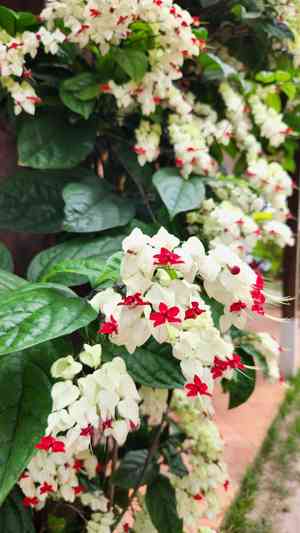
1
Bleeding-heart vine flourishes most effectively when transplanted every one to two years.
2
The ideal period for transplanting Bleeding-heart vine is the beginning of spring.
3
Prior to choosing to transplant, consistently look for indications of being root-bound.
Knowing When to Replant Your Bleeding-heart Vine
Recognizing signs of a cramped container
A primary indicator that your Bleeding-heart vine requires repotting is when you observe evidence of it having outgrown its current container. While this plant is celebrated for its lovely, trailing blooms, it can rapidly become root-bound, potentially hindering its development and overall vitality. Look for roots emerging from the drainage holes or encircling the soil surface. These clearly signal the plant is constrained and needs more room.
Assessing root condition
A robust root system is vital for the overall health of your Bleeding-heart vine. Upon inspecting the roots, they should appear white and firm. Brown or soft roots suggest root rot, which can occur from overwatering or inadequate pot drainage. Be sure to carefully remove the plant from its pot to examine the roots, especially if you notice stunted growth or yellowing foliage.
Seasonal considerations for timing
Timing is crucial when it comes to repotting. For Bleeding-heart vine, early spring is the ideal period. This is when the plant is preparing for its active growth phase and can most readily adjust to a new environment. Repotting during this time helps the plant establish itself better in fresh soil, ensuring vigorous growth throughout the year.
Choosing the Correct Container for Your Bleeding-heart Vine
Pot dimensions and material options
The new pot's size should be only slightly larger than the existing one, typically 2-3 centimeters (1 inch) in diameter. This prevents the plant from being overwhelmed by excessive soil, which can retain too much moisture. Regarding material, terracotta pots are a popular choice as they are porous and allow the soil to aerate. However, plastic pots hold moisture longer, which might be advantageous in arid climates.
Ensuring proper water runoff
Adequate drainage is essential to prevent waterlogging, which can lead to root rot. Confirm that the new pot has drainage holes at the bottom. You can also add a layer of gravel or small stones at the base of the pot to enhance drainage. This simple step can significantly contribute to maintaining your Bleeding-heart vine's health.
Step-by-Step Guide to Replanting Bleeding-heart Vine
Preparing your new container
Begin by cleaning the new pot to remove any residue or contaminants. Then, place a layer of fresh potting mix at the bottom. A well-draining soil blend, enriched with organic matter, is perfect for Bleeding-heart vine.
Carefully extracting the plant from its current pot
Gently turn the pot on its side and tap the edges to loosen the soil. Carefully slide the plant out, supporting the base of the stem, and avoid pulling the plant to prevent damage.
Transplanting and repositioning the plant
Position the plant in the center of the new pot and fill around it with fresh potting mix. Ensure the root ball is buried at the same depth as in the old pot. Gently firm the soil around the roots, but do not compact it too tightly, and water the plant thoroughly.
Post-repotting care advice
After repotting, place the Bleeding-heart vine in a spot with bright, indirect light. Water it sparingly, keeping the soil consistently moist but not saturated. It's crucial to avoid overwatering while the plant adjusts to its new pot.
Common Errors to Avoid When Replanting Bleeding-heart Vine
Excessive watering after repotting
A frequent mistake is overwatering the plant immediately after repotting. While maintaining soil moisture is important, too much water can lead to root rot. Water the plant lightly until it shows signs of new growth.
Using an unsuitable soil mixture
Employing the wrong type of soil can impede the plant's development. Bleeding-heart vine prefers a well-draining mix that is rich in organic matter. Avoid heavy garden soils that retain too much moisture.
Neglecting root trimming if necessary
If your Bleeding-heart vine has extensive root growth, pruning the roots can be beneficial. Trim off any dead or excessively long roots with sterilized scissors to encourage healthy regrowth in the new pot.



