Boost Growth: How and When to Repot Your Japanese persimmon Plant
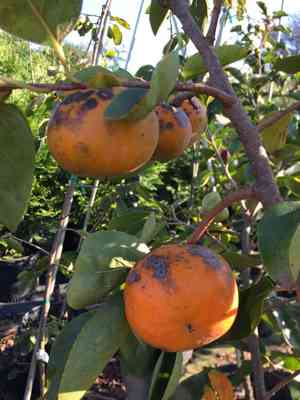
1
The best period to transplant your Japanese persimmon is in spring or winter, when the plant experiences minimal stress.
2
Indicators for repotting include roots showing on the soil surface or through drainage openings, or a plant that is unstable and easily falls over.
3
Selecting the appropriate container and growing medium can greatly influence your Japanese persimmon's well-being and development.
Knowing When to Replant Your Japanese persimmon
Identifying indicators that a larger container is needed
A crucial aspect of Japanese persimmon care involves recognizing when it requires a new container. The clearest signs include roots emerging from drainage holes or encircling the soil surface. Another clue is if the plant becomes top-heavy and tends to tip over. Furthermore, if its growth has significantly slowed despite optimal care, it may be root-bound and need more space.
The importance of proper timing for plant vitality
The timing of your repotting can greatly influence your Japanese persimmon's health. Ideally, this task should be performed in spring or winter. Repotting during these periods minimizes plant stress as it's either exiting or entering dormancy. This allows the plant to acclimate to its new pot before the demands of its active growing season begin.
Selecting the Appropriate Pot and Substrate for Japanese persimmon
Choosing the optimal pot dimensions and material
When picking a new pot for your Japanese persimmon, it's vital to select one only one or two sizes larger than its current container. An excessively large pot can lead to waterlogging and root rot. Materials like terracotta are excellent as they promote better soil aeration. Ensure the pot has ample drainage holes to prevent water accumulation.
The ideal soil mixture for vigorous development
The growing medium for your Japanese persimmon should be free-draining yet nutrient-rich. A suitable blend might consist of equal parts potting soil, compost, and sand or perlite. This combination ensures the plant's roots receive a balanced mix of moisture and air circulation, fostering healthier and more robust growth.
Detailed Guide to Replanting Japanese persimmon
Preparing your supplies and workspace
Before you begin repotting your Japanese persimmon, gather all necessary items, including the new pot, suitable soil mix, and tools such as gloves, a small trowel, and a watering can. Lay down a protective sheet or newspaper to catch any spilled soil. Having everything prepared beforehand will streamline the process and reduce mess.
Gently extracting the plant from its current container
To remove your Japanese persimmon from its existing pot, lightly tap around the sides and bottom to loosen the soil. Carefully tilt the pot sideways and slide the plant out, holding it by the base of its stem. If it's particularly resistant, you might need to use a trowel to carefully separate the soil from the edges.
Positioning and securing the plant in its new container
Place a layer of soil at the bottom of the new pot. Center your Japanese persimmon and begin filling around the roots with your soil mix. Ensure the plant is at the same depth as in its previous pot and stands upright. Gently press the soil down to eliminate air pockets, but avoid over-compacting it, as this can negatively impact root health.
Post-repotting care for your plant
After repotting, thoroughly water your Japanese persimmon to help settle the soil and hydrate the roots. Position it in a spot with indirect sunlight and minimize movement while it adjusts to its new container. Continue with regular care routines, but be cautious not to overwater, as the roots will be more sensitive during this adjustment period.
Common Questions Regarding Japanese persimmon Repotting
What is the recommended repotting frequency?
Typically, it's advisable to repot your Japanese persimmon every 2-3 years. However, the actual timing can vary based on the plant's growth rate and root development. Regular inspection of the root system and the plant's overall health will provide a better indication of when repotting is necessary.
What to do if the plant exhibits signs of distress after repotting?
It's not unusual for your Japanese persimmon to show signs of stress, such as wilting or yellowing leaves, after being repotted. Ensure it's placed in a stable environment away from direct sunlight and extreme temperatures. Increase humidity around the plant if possible, and avoid over-fertilizing until it has recovered.
Can repotting impact fruit yield?
Repotting can temporarily affect fruit production as the plant might pause fruiting to prioritize root establishment. However, if executed correctly, repotting can enhance the long-term health and productivity of your Japanese persimmon, leading to more abundant and higher-quality fruit in subsequent seasons.



