Boost Growth: How and When to Repot Your Golden pothos Plant
1
Moving to a bigger container allows for enhanced root development.
2
Golden pothos thrive when repotted during the Spring and Autumn months.
3
A pot that is usually 5-10 cm (2-4 inches) wider than the existing one is considered optimal.
Why Repot Golden pothos?
Understanding the Growth Cycle: How Golden pothos Benefits
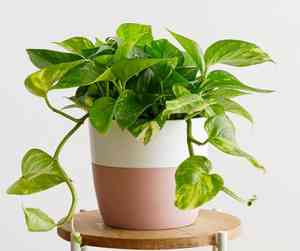
Golden pothos, known for its heart-shaped foliage and trailing habit, is a popular houseplant recognized for its robust growth. Repotting is crucial for maintaining the plant's health and vigor. As roots expand, they require more room and fresh substrate to efficiently absorb nutrients. Regular transplantation provides these essentials, allowing your Golden pothos to thrive and sustain its appealing growth pattern.
Signs Your Plant Needs a New Home: Recognizing the Need
How do you know when it's time to transplant your Golden pothos? Observe for these indicators: roots emerging from drainage holes, the plant becoming top-heavy or unstable, and inhibited growth or a noticeable decline in health despite proper care. These signals suggest your plant has outgrown its current container and needs more space to prosper.
Choosing the Right Pot and Soil
Selecting the Ideal Pot Size and Material for Golden pothos
When it comes to rehousing your Golden pothos, choosing the correct container is vital. Select a pot that is 5-10 cm (2-4 inches) larger in diameter than the existing one to provide ample space for root expansion. Regarding material, both plastic and ceramic pots are suitable, but ensure the pot possesses adequate drainage holes to prevent waterlogging and root decay.
The Best Soil Mix for Thriving Golden pothos
A premium, well-draining potting medium is indispensable for Golden pothos. This plant flourishes in a mixture containing peat moss, perlite, and pine bark. These components aid in retaining moisture while also providing sufficient aeration. Avoid using garden soil as it can compact and suffocate the roots, impeding the plant's development.
Step-by-Step Process of Repotting Golden pothos
Preparing Your Workspace: Steps to Get Ready
Before you begin repotting, gather all necessary items: a new container, fresh potting substrate, and tools such as gloves, a small trowel, and newspaper or a tarp to catch any soil spills. Ensure your work area is clean and organized to facilitate a smooth and efficient process.
Removing Your Plant Safely: Minimizing Root Damage
Carefully extract your Golden pothos from its current pot by gently tilting the container and sliding out the root ball. Loosen the soil around the edges with your fingers or a small implement. If the plant is stuck, tap the sides of the pot or gently squeeze it to free the root ball. Avoid yanking the plant, as this can harm the roots.
Positioning and Potting: Ensuring a Smooth Transition
Place a layer of new potting mixture at the base of the new pot. Center your Golden pothos and fill in around the root ball with more substrate. Ensure the plant is situated at the same depth as it was in the previous pot. Gently press the soil down to eliminate any air pockets, and water the plant thoroughly to help it acclimate to its new home.
Aftercare Tips: Promoting Healthy Growth Post-Repot
Following repotting, position your Golden pothos in a location with bright, indirect illumination. Water the plant when the top 2-3 cm (1 inch) of soil feels dry to the touch. Refrain from fertilizing for the initial month, as the plant adjusts to its new surroundings. Observe your plant for any indicators of stress, and ensure it receives adequate humidity.
Troubleshooting Common Issues After Repotting
Identifying Signs of Stress in Golden pothos
Transplanting can sometimes induce plant stress, evidenced by wilting or slow development. Typical signs of stress include drooping leaves, yellowing foliage, or leaf drop. These symptoms are usually temporary, but it's crucial to diligently care for your Golden pothos during this period to aid its recovery.
How to Address Drooping or Yellowing Leaves
If your Golden pothos exhibits signs of drooping or yellowing leaves after repotting, check the soil's moisture content. Excessive watering can lead to root rot, while insufficient watering can cause the plant to wilt. Adjust your irrigation schedule accordingly. Ensure the plant has ample light and maintain humidity by misting the leaves or employing a humidity tray.



