Boost Growth: How and When to Repot Your Flame violet Plant
1
The best period to transfer your Flame violet to a new pot is in the spring or winter.
2
Employing the appropriate soil blend can significantly enhance your Flame violet's well-being.
3
Re-potting annually or biennially ensures your Flame violet remains vigorous and flourishes.
Why Replant Your Flame Violet?
Understanding the growth requirements of Flame violet
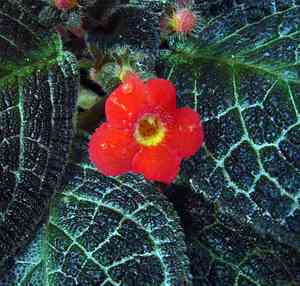
The Flame violet is a lovely plant recognized for its vivid, flame-hued blossoms and appealing foliage. Grasping its growth pattern is vital for maintaining its peak health. Typically, Flame violets flourish best with ample room to expand, as they tend to spread both their leaves and roots. Without replanting, the roots can become constricted, hindering growth and diminishing the plant's overall vitality.
Indicators that your Flame violet requires a new container
It's crucial to identify when your Flame violet needs to be repotted. Key indicators include roots emerging from the drainage openings, slow or stunted development, or a noticeable reduction in bloom production. Additionally, if the potting medium dries out very quickly after irrigation, it might be time to provide your plant with more space to thrive.
Advantages of timely replanting for plant well-being
Prompt replanting of your Flame violet guarantees the plant has sufficient space for root expansion, which fosters overall plant vigor and enhances flowering. Fresh substrate also supplies vital nutrients that may be depleted in the old medium, giving your plant a renewed vitality. Furthermore, regular repotting can prevent soil-borne diseases and pests from establishing themselves.
Selecting the Appropriate Pot and Substrate
Choosing the ideal pot size and material
Selecting the correct pot is essential for the successful development of your Flame violet. A pot that is too small can restrict root growth, while one that is excessively large can lead to waterlogging. Typically, opt for a pot just one size larger than the current one. Regarding materials, terracotta pots are excellent due to their porous nature, allowing good air circulation to the roots. Ensure the pot has adequate drainage holes to prevent water accumulation.
Optimal soil mixture for your Flame violet
Your Flame violet will thrive in a loose, well-draining potting mix. A combination of peat moss, perlite, and a small amount of vermiculite works effectively. The main goal is to ensure the soil can retain moisture without becoming saturated. This type of blend provides the correct balance of water retention and aeration, which is paramount for healthy root development.
Steps to Replant Your Flame Violet
Preparing the new container and soil
Begin by thoroughly cleaning the new pot to eliminate any residual contaminants. Then, prepare your soil mixture and slightly moisten it. Fill the new pot with a layer of the potting mix, ensuring it's well-draining to keep your Flame violet content.
Gently extracting the plant from its previous pot
Carefully turn your Flame violet plant sideways, holding it gently at the base of the stem. Tap the bottom of the pot to loosen the soil and roots. Be gentle to avoid damaging the roots as you ease the plant out of the container.
Inspecting and trimming the roots if necessary
Once the plant is removed, examine the roots for any indications of disease or decay. Healthy roots should appear white and firm. If you discover any brown or mushy roots, trim them with sterilized shears. If the roots are tightly bound in a mass, gently separate them to encourage spreading in the new pot.
Positioning Flame violet in the new pot and refilling with soil
Place your Flame violet in the center of the new pot. Hold it steady and begin filling in around the roots with your prepared soil mixture. Ensure the plant is at the same soil level as it was in the previous container. Gently firm the soil but do not compact it too much, allowing for easy water drainage.
Appropriate watering after replanting
Following repotting, thoroughly water the plant. Ensure the water flows out of the drainage holes, confirming the soil is uniformly moist but not waterlogged. This initial watering helps to settle the soil around the roots, eliminating air pockets.
Post-Replanting Care for Flame Violet
Initial care to ensure a smooth adjustment
After replanting, position your Flame violet in a spot with bright, indirect illumination. Avoid direct sunlight which can stress the plant. Keep the soil slightly damp but not saturated, and refrain from fertilizing for the first few weeks to allow the plant to acclimate to its new surroundings.
Long-term care advice to encourage growth and blooming
For extended care, water your Flame violet when the top 2-3 cm (1 inch) of soil feels dry. Apply a balanced, liquid fertilizer every 4-6 weeks during the active growing season to support robust development and flowering. Prune any dead or yellowing leaves to maintain the plant's health and aesthetic appeal.



