Boost Growth: How and When to Repot Your Rough horsetail Plant
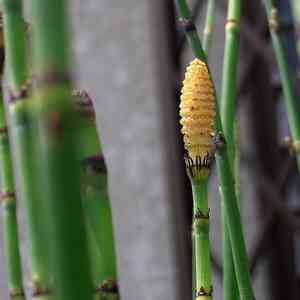
1
Rough horsetail thrives in a container that drains well to avoid excessive moisture.
2
The ideal times to transfer your Rough horsetail to a new pot are during spring and winter.
3
Rough horsetail can reach heights of up to 1.5 meters (approximately 5 feet), making it a notable feature in any landscape.
Why Replant Rough horsetail?
Understanding growth characteristics
The Rough horsetail, recognized for its tall, slender stems resembling bamboo, is a distinctive and adaptable plant typically reaching up to 1.5 meters (5 feet) in height. This plant exhibits vigorous growth and thrives in damp, well-draining conditions. Comprehending these growth patterns is vital as the plant can rapidly outgrow its container, leading to it becoming root-bound. Replanting is crucial to provide the plant with more room to expand and to maintain optimal health.
Indicators your Rough horsetail requires a new container
Several signs suggest your Rough horsetail may need replanting. If you observe roots emerging from the drainage holes, or the plant appears top-heavy and unstable, it's time to consider a new pot. Additionally, if the plant's development seems hindered or the soil dries out quicker than usual, these are clear signals that the Rough horsetail needs more space and fresh substrate.
Selecting the Appropriate Pot and Substrate
Choosing an adequate pot size
Selecting the correct pot size is essential for the continued healthy development of your Rough horsetail. Aim for a container that is 5-10 centimeters (2-4 inches) larger in diameter than the current one. This additional space allows for root expansion while still providing necessary support. Ensure the pot has multiple drainage holes to prevent waterlogging, a common issue that can harm Rough horsetail.
Optimal soil mixtures for Rough horsetail
The perfect soil blend for Rough horsetail should be well-draining yet capable of retaining some moisture. A combination of loamy soil, sand, and peat moss works exceptionally well. This mix provides the balance needed for the plant's roots to breathe yet remain adequately hydrated. Avoid heavy clay soils which might hold too much water, leading to root rot.
Steps for Replanting Rough horsetail
Carefully extracting the plant
Start by gently loosening the soil around the edges of the current container. Grasp the plant's base and carefully lift it out. If the plant is stuck, try tilting the pot slightly to ease it out without damaging the roots. Be mindful of the delicate root system as you remove the Rough horsetail from its old home.
Preparing the new container
Before placing your Rough horsetail in its new pot, cover the drainage holes with a mesh screen to prevent soil loss while allowing water to escape. Add a layer of your chosen soil mix at the bottom, ensuring it's deep enough to support the plant's roots.
Root pruning and plant positioning
Inspect the roots of your Rough horsetail for any signs of decay or damage and trim them as needed. Position the plant in the new pot, ensuring it's centered and upright. Fill in around the roots with your soil mix, gently firming it to eliminate air pockets and support the plant.
Finishing touches and irrigation
After planting, water your Rough horsetail thoroughly to settle the soil. Add more soil if necessary to maintain the desired level. Place the pot in a location where the plant can receive sufficient indirect light to support its growth.
Post-Replanting Care Advice
Light and placement modifications
Following replanting, it's crucial to position your Rough horsetail in an area with bright, indirect sunlight. Avoid direct sun exposure as it can scorch the plant. A spot near a north or east-facing window is ideal.
Watering frequency after replanting
Initially, after replanting, water the Rough horsetail more often to help it adjust to the new pot. Once established, regular watering every 1-2 weeks should suffice, depending on the indoor conditions. Ensure the soil remains moist but not waterlogged.



