Boost Growth: How and When to Repot Your Evergreen spindle Plant
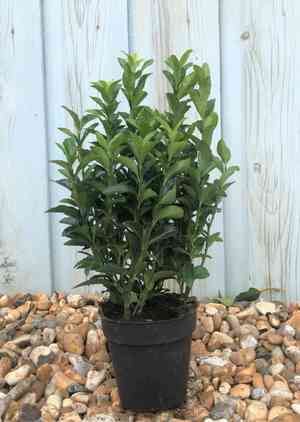
1
The best time to repot Evergreen spindle is during the Spring and Winter seasons.
2
For optimal growth, repot your Evergreen spindle every two to three years.
3
Select a new pot that is 2-5 cm (1-2 inches) wider in diameter than its current container.
Why Replant Your Evergreen Spindle?
Recognizing indicators that it's time for a new container
Your Evergreen spindle often signals when it requires a larger pot. Clues to observe include roots emerging from drainage openings, soil drying out more quickly, or if you notice the plant's growth has diminished. These signs suggest the roots have outgrown their current space and need more room to breathe and expand.
The advantages of replanting for plant health and vigor
Replanting your Evergreen spindle helps prevent root-bound conditions, where roots become densely packed, limiting their ability to absorb water and nutrients. By providing your plant with a larger pot and fresh substrate, you ensure it has the resources needed to flourish. This promotes healthier development and extends the plant's overall lifespan.
When to Replant?
Optimal seasons for replanting Evergreen spindle
The best time to replant your Evergreen spindle is during Spring and Winter. These periods offer the most favorable conditions for your plant to recover from the stress of replanting, providing a fresh start before peak growth seasons or dormancy.
Repotting frequency: What's ideal for your plant's longevity?
For most Evergreen spindle plants, replanting every 2-3 years is optimal. This schedule allows roots to develop without becoming excessively crowded. However, younger plants might benefit from more frequent repotting due to faster growth. Larger, mature plants may not need replanting as often.
Selecting the Right Container and Substrate
Choosing the best pot size and material
When selecting a new container for your Evergreen spindle, choose one that is 2-5 cm (1-2 inches) wider in diameter than the current pot. Materials like terracotta or ceramic are excellent choices as they offer good drainage and aeration. Ensure the pot has sufficient drainage holes to prevent waterlogging.
Crafting the perfect soil mixture for Evergreen spindle
A well-draining soil blend is vital for the healthy growth of your Evergreen spindle. You can create an ideal mix by combining equal parts of potting soil, perlite, and compost. This combination supplies essential nutrients while preventing excessive water retention that could lead to root rot.
Step-by-Step Replanting Guide
Safely removing your plant from its old pot
Begin by gently tapping the pot's sides to loosen the soil. Carefully slide the plant out, supporting the base to avoid root damage. If it's difficult, use a knife or small spade to free the edges.
Root pruning and preparation
Inspect the roots and trim any that are dead, damaged, or overly long. Use clean, sharp scissors or pruners for this task. This encourages healthy root development and helps the plant acclimate to its new pot more easily.
Planting in the new container
Place a layer of fresh soil mix at the bottom of the new pot. Position the Evergreen spindle in the center, then fill around the sides with the new soil blend, ensuring the root ball is fully covered. Gently press the soil down to eliminate air pockets.
Post-replanting care advice
After replanting, water the plant thoroughly to help it settle into its new soil and pot. Place it in a location that receives bright, indirect light. Monitor the plant closely for the first few weeks, ensuring it is not overwatered and shows no signs of shock or stress.
Addressing Common Replanting Issues
Managing shock and stress in Evergreen spindle after replanting
It's normal for plants to experience shock after replanting. Look for signs such as wilted leaves or slowed growth. To aid your Evergreen spindle's recovery, ensure it's in a stable environment with consistent light and temperature. Reduce watering slightly as the roots adjust.
Resolving root rot or other diseases post-replant
If you observe signs of root rot, such as blackened roots or a foul odor from the soil, address it immediately. Remove the affected roots and replant in fresh, well-draining soil. To prevent diseases, always use clean tools and pots, and avoid overwatering.



