Boost Growth: How and When to Repot Your Velvet plant Plant
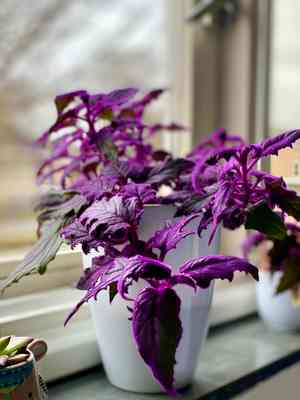
1
Transplanting Velvet plant in the initial part of spring promotes vigorous development and well-being.
2
Verify your new container possesses at least one opening for water to escape, averting excessive wetness.
3
Employing a potting medium that holds moisture yet avoids saturation is optimal for Velvet plant.
Knowing When to Replant Your Velvet Plant
Recognizing signs of root congestion
A primary indication your Velvet plant requires replanting is root congestion. Should you observe roots emerging from drainage openings or encircling the soil's surface, it signals the plant has outgrown its current container. Roots need room to expand for efficient nutrient absorption, and a constricted root system can hinder your Velvet plant's development.
The influence of seasonal timing on replanting
Properly timing your replanting is vital for the plant's well-being. The ideal period to replant your Velvet plant is early spring. During this time, the plant is preparing for a growth surge, making it more resilient to the stress of being moved. Replanting in early spring also allows the plant a full growing season to establish itself in its new container.
Observing growth patterns and health indicators
Regularly observing your Velvet plant can offer clues about its overall health and the necessity for replanting. Yellowing foliage, stunted development, and a general decline in vitality can suggest the plant isn't receiving sufficient nutrients or space. Ensuring your plant has ample room to grow can significantly enhance its health and appearance.
Selecting the Appropriate Pot and Soil for Velvet Plant
Choosing a pot with proper drainage
Selecting the correct pot is crucial for your Velvet plant's health. Ensure the pot you choose has sufficient drainage, as this will prevent water from accumulating at the bottom and causing root decay. A pot with at least one drainage hole is necessary to maintain well-aerated soil.
The optimal soil mixture for a flourishing Velvet plant
The soil mixture is as important as the pot. Velvet plant thrives in a well-draining soil blend that retains moisture without becoming waterlogged. A combination of peat, perlite, and standard potting soil often works well. This blend ensures roots have enough space to breathe, aiding vigorous plant growth.
Considerations for pot dimensions and material
When replanting your Velvet plant, choosing the correct pot size and material is essential. A pot that's too large can hold excessive moisture, while one that's too small can restrict growth. Typically, select a pot 2.5 to 5 centimeters (1 to 2 inches) wider in diameter than the current one. Materials like terra cotta and ceramic can assist with moisture regulation, but ensure they have adequate drainage.
Step-by-Step Guide to Replanting Velvet Plant
Preparing your work area and tools
Before starting the replanting process, prepare your workspace and tools. Ensure you have a clean, flat surface and gather all necessary items such as gloves, a trowel, pruning shears, and the new pot with prepared soil. Having everything accessible will make the replanting process smoother and more efficient.
Gently removing the plant from its current container
To extract the Velvet plant from its current pot, gently tap the sides and carefully hold the plant by its base. Avoid pulling the plant by its stems or leaves, as this can cause harm. If the plant is root-bound, you might need to gently loosen the roots with your fingers or a small implement.
Root pruning and treatment before replanting
Once the plant is out of the pot, inspect the roots. Trim any that are excessively long or damaged using clean pruning shears. If you observe any signs of root rot or pests, treat the roots accordingly before placing them in the new soil. Root pruning encourages new root development and helps the plant establish itself quickly in its new pot.
Planting and post-replanting care
After placing the Velvet plant in its new pot, fill the gaps with the prepared soil. Gently press the soil down to remove air pockets and water the plant to help settle the soil. Position the replanted plant in moderate light and avoid direct sunlight for a few days to lessen transplant shock. Gradually reintroduce the plant to its usual light conditions.
Common Issues and Troubleshooting When Replanting Velvet Plant
How to manage root decay during replanting
Root decay is a frequent problem that can arise during replanting. If you detect root rot, trim away the affected roots and allow the remaining healthy roots to dry slightly before replanting. Use a well-draining soil mix and a pot with adequate drainage to prevent future root decay.
Addressing pests or diseases during the replanting process
If you notice any pests or diseases during replanting, take immediate action to treat them. Use appropriate insecticides or fungicides and ensure the new soil is free from any contaminants. Isolating the affected plant can also prevent spread to other plants.
Tips for minimizing transplant stress
Transplant stress can be reduced by handling the plant gently and providing optimal care after replanting. Ensure the plant has sufficient moisture, but do not overwater. Keeping the plant in a stable environment with consistent light and temperature can also help it adapt to its new pot more quickly.



