Boost Growth: How and When to Repot Your Showy stonecrop Plant
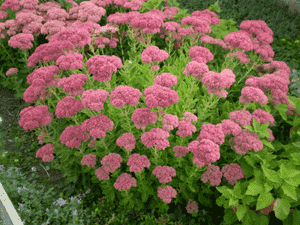
1
Transplanting Showy stonecrop in spring or winter promotes robust development.
2
Employing a soil blend that drains effectively is crucial to avoid root decay.
3
Careful trimming of lifeless or injured roots can stimulate stronger proliferation.
Why Is Transplanting Showy stonecrop Essential?
Understanding root development and plant vitality
Transplanting Showy stonecrop is crucial for maintaining the plant's health and vigor. As the plant matures, its root system expands and will eventually outgrow its current container. When roots become constricted, they can no longer absorb vital nutrients efficiently, which can hinder the plant's development. Moreover, fresh substrate introduced during repotting replenishes depleted nutrients and enhances soil aeration, which is vital for root well-being.
Recognizing indicators that your Showy stonecrop requires a new container
Several clear signs suggest your Showy stonecrop might need transplanting. If you observe roots emerging from the drainage holes or if the plant appears to be growing slower or exhibits stunted development, it may be time for a larger pot. Drooping foliage or a general lack of robustness can also be indicators. Additionally, if the soil dries out very rapidly after irrigation or if the plant is top-heavy and prone to toppling, these are key signals that a new pot is needed.
Selecting the Appropriate Container and Substrate for Showy stonecrop
Choosing the correct pot dimensions and material
Selecting the right container is vital for a successful transplanting process. Showy stonecrop plants need pots that offer ample space for their roots to grow. A pot that is too large can lead to overwatering, while one that is too small can restrict root development. Opt for a container that is 2â5 cm (1â2 inches) wider in diameter than the current one. Materials like terracotta or clay are ideal as they are porous and aid in drainage. Ensure the pot has drainage holes to prevent water accumulation at the bottom, which can cause root rot.
The optimal soil mixture for robust Showy stonecrop growth
The type of growing medium you use significantly impacts the health of your Showy stonecrop. These plants thrive in well-draining soil blends commonly used for succulents. A good mix includes potting soil combined with perlite or coarse sand to improve drainage. Avoid using dense soils as they retain too much moisture, increasing the risk of root rot. Incorporating a slow-release fertilizer into the soil mix can provide nutrients over an extended period, supporting healthy development.
Step-by-Step Guide to Transplanting Showy stonecrop
Preparing your workspace and gathering necessary implements
Before you begin transplanting your Showy stonecrop, set up a clean and organized work area. Collect all required tools, including a new pot, the appropriate soil mix, a small hand trowel, gloves, and pruning shears. Ensure your new pot has been cleaned and has drainage holesâthis prevents any contaminants from affecting your plant. Lay down newspapers or a plastic sheet to catch any soil spills, simplifying cleanup.
Gently extracting your plant from its current container
To remove your Showy stonecrop from its current pot, start by lightly watering it a day prior to loosen the soil. Carefully turn the pot on its side and gently tap the edges to loosen the root ball. If the plant is resistant, use a small trowel to ease the soil around the perimeter. Lift the plant by its base, being careful not to pull too forcefully, as this can harm the roots.
Examining and trimming the roots if required
Once the plant is out of its pot, thoroughly inspect the roots. Healthy roots should appear white and firm. If you observe any dead or decaying rootsâtypically brown or mushyâuse clean pruning shears to remove them. Trimming dead or damaged roots not only creates space for new growth but also prevents disease from spreading within the plant.
Placing Showy stonecrop in the new pot and adding substrate
Place a thin layer of soil mix at the bottom of the new pot. Position the Showy stonecrop in the center, ensuring it sits at the same depth as it was in its previous container. Fill in around the root ball with the soil mix, gently pressing down to eliminate air pockets. Be careful not to cover the base of the plant stem with soil, as this can lead to rotting.
Watering your newly potted plant and aftercare advice
After transplanting, lightly water your Showy stonecrop to help settle the soil around the roots. Ensure excess water drains out to prevent waterlogging. Place the plant in a location where it receives bright, indirect light. For the initial few weeks, be cautious with wateringâonly irrigate when the top 2-5 cm (1-2 inches) of soil feels dry. This helps the plant adapt to its new pot and minimizes stress.



