Boost Growth: How and When to Repot Your Busy lizzie Plant
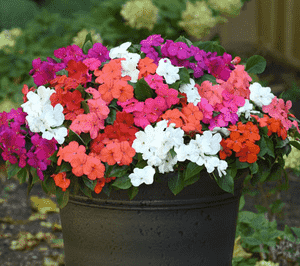
1
The optimal period for transplanting your Busy lizzie is during Spring or Winter.
2
Select a container marginally bigger than its present one, ensuring adequate drainage.
3
After repotting, provide ample water and position the plant in a location with filtered light.
The Importance of Repotting Your Busy Lizzie
Understanding the Growth Pattern of Busy Lizzie
Similar to how humans require more room as they mature, plants also need larger containers! Busy Lizzie, also known as Impatiens walleriana, necessitates repotting to continue flourishing. Over time, its root system expands beyond the current pot, leading to stunted development and fewer blossoms. Grasping this growth pattern aids in maintaining a robust and vibrant plant. Typically, Busy Lizzie grows continuously, benefiting from an ample environment.
Indicators That Suggest It's Time for Repotting
Several clear signs indicate your Busy Lizzie requires repotting. The most evident is when you observe roots emerging from the drainage holes. Additionally, if the plant's growth has slowed or it appears top-heavy and unstable, these are signals that the roots need more space. Another clue is if the soil dries out very quickly after watering, implying the root system has occupied most of the container.
Selecting the Appropriate Pot and Soil for Busy Lizzie
Considerations When Choosing a New Container
When choosing a new pot for your Busy Lizzie, select one that is approximately 2.5 to 5 centimeters (1-2 inches) larger in diameter than its current container. This will provide sufficient room for growth without overwhelming the plant. It's also vital to pick a pot with adequate drainage to prevent waterlogged roots, which can cause root rot. Regarding material, whether it's plastic, ceramic, or terracotta, the decision is yours!
The Optimal Soil Blend for Healthy Development
The soil you utilize plays a crucial role in your plant's healthy development. Busy Lizzie thrives in a well-draining potting mix rich in organic matter. A suitable blend could consist of equal parts peat moss, perlite, and potting soil. This combination ensures good aeration and moisture retention without becoming waterlogged. Avoid garden soil, which might be too dense and compacted.
How to Repot Busy Lizzie: Step-by-Step Instructions
Preparing Your Work Area and Supplies
Before you begin, gather all necessary items: a new pot, fresh potting medium, gardening gloves, a small trowel, and a watering can. Ensure your workspace is clean and spacious enough to manage the plant and soil without creating a mess. You could use newspaper or a plastic sheet to catch any spills. It's always wise to ensure your tools are sanitized to prevent transferring any diseases to your plant.
Detailed Guide for Repotting
Begin by gently extracting your Busy Lizzie from its current container. Hold the plant's base and tap the pot to loosen the soil. Once removed, inspect the roots and trim any that are dead or excessively long. Fill the new pot about one-third full with fresh soil. Position your plant in the center and fill around it with soil, leaving approximately 2.5 centimeters (1 inch) from the top to allow for watering. Lightly firm the soilâdo not pack it too tightly.
Care Recommendations After Repotting
After repotting, give your Busy Lizzie a thorough watering to help it settle into its new environment. Place it in a location with indirect sunlight and avoid direct sun for a few days, as the plant adjusts to its new pot. Monitor the soil moisture and water when the top feels slightly dry, but ensure excess water can drain away. Within a few weeks, you should observe a revitalized, flourishing plant.
Avoiding Common Errors When Repotting Busy Lizzie
Tips to Prevent Damage During the Repotting Process
A frequent error is handling the plant too roughly. Be gentle to avoid harming the roots. Also, ensure you don't plant it too deeply or too shallowlyâaim for the same depth as it was in the old pot. Breaking the root ball too aggressively can also stress the plant, so try to keep it as intact as possible.
How to Ensure the Plant Adjusts Smoothly to Its New Container
To help your plant adapt seamlessly to its new pot, refrain from fertilizing for the first month after repotting, as this can stress the roots. Providing optimal light conditions and maintaining consistent watering will encourage the plant to establish itself quickly. Also, watch for any signs of stress, such as wilting or yellowing leaves, and adjust care as needed.



