Boost Growth: How and When to Repot Your Silver squill Plant
1
The best period to transfer your Silver squill to a new container is in Spring and Winter.
2
Choose a pot that is just a bit bigger than its current one to prevent excessive pot size.
3
Employing a soil blend that drains effectively can aid in averting root decay and promoting robust development.
Why Replant Your Silver Squill?
Understanding the growth pattern of Silver squill
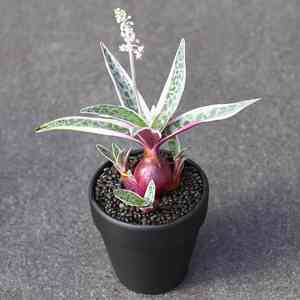
The Silver squill (Ledebouria socialis) is a distinctive, bulb-forming plant cherished for its striking silver-flecked leaves and tiny bell-shaped blooms. As a perennial, it experiences continuous yet gradual development. Its bulbs and root system expand over time, requiring regular replanting to accommodate this increasing size. Grasping this growth pattern is crucial for maintaining the plant's overall vitality and visual appeal.
Recognizing indicators that it's time for replanting
There are clear signs indicating your Silver squill requires replanting. Look for roots emerging from drainage holes, the potting medium drying out quickly after watering, or the plant appearing constricted within its current container. Such signals suggest the plant has outgrown its pot and would benefit from a more spacious environment.
Advantages of replanting for plant health and vigor
Replanting offers numerous benefits for the Silver squill. It provides the roots with more room to grow, leading to a more robust plant structure. Fresh soil replenishes vital nutrients, fostering healthier foliage and more abundant blooms. Furthermore, replanting can help prevent root-bound conditions and reduce the likelihood of diseases and pests.
When is the Optimal Time to Replant?
Seasonal guidelines for replanting Silver squill
The best time to replant your Silver squill is during Spring and Winter. These seasons are ideal as the plant is either emerging from dormancy in Spring or preparing for a period of reduced activity in Winter. Replanting during these times helps minimize stress and encourages a smooth transition to the new container.
Assessing plant conditions and ideal timing
Beyond seasonal considerations, evaluate the plant's state to determine the best replanting moment. If the plant looks healthy but shows signs of being pot-bound or the soil is depleted, it's an excellent time to replant. If your plant is blooming, wait until the flowering period concludes to avoid disrupting its cycle.
Choosing the Correct Pot and Soil
Selecting an appropriate pot size and type
Choose a pot that is only slightly larger than the current one, typically 2 to 3 centimeters (1 inch) wider in diameter. A pot that is too large can lead to waterlogged soil and root rot. The pot's material also matters; terra cotta pots offer excellent drainage and breathability, which is beneficial for the Silver squill.
Best soil mixture for Silver squill
The Silver squill thrives in a well-draining soil mix. A combination of cactus or succulent soil blended with perlite or sand (50-50) works perfectly. This mixture ensures that excess water drains away quickly, preventing root rot and maintaining a healthy root system.
Steps to Replant Silver Squill Safely
Gently removing the plant from its previous pot
Start by carefully loosening the soil around the pot's edges. Gently lift the plant from its current container, ensuring you don't harm the delicate roots or bulbs. If the plant is stuck, tap the pot's sides to help release it.
Inspecting and trimming the roots if necessary
Once the plant is out of its pot, examine the root system. Trim away any dead or decaying roots using sterilized scissors. Trimming encourages healthy growth and prevents disease. Ensure healthy roots have ample space for horizontal and vertical expansion.
Placing the plant in the new pot with fresh soil
Add a layer of fresh soil mix to the bottom of the new pot. Position the Silver squill in the center and fill in around the bulbs with more soil, gently pressing down to eliminate air pockets. The bulbs should remain partially above the soil line, allowing for proper aeration.
Aftercare: Watering and positioning your replanted Silver squill
After replanting, water the plant lightly to settle the soil. Place your Silver squill in a location with bright, indirect light to help it acclimate. Avoid placing it in direct sunlight immediately after replanting to reduce stress.
Common Errors to Avoid During Replanting
Overpotting: Avoiding excessively large containers
A common error is selecting a pot that is too large. Overpotting can lead to excessive soil moisture, which increases the risk of root rot. Always opt for a pot that is just one size up from the current one.
Using an incorrect soil type that may lead to poor health
Using regular garden soil or poorly draining soil can cause problems for your Silver squill. Always use a well-draining mix designed for succulents or cacti to ensure good aeration and prevent root diseases.
Neglecting root health during the replanting process
During replanting, failing to inspect and trim the roots can result in long-term health issues. Always check the roots and remove any damaged or diseased sections to promote healthier growth and prevent complications.



