Boost Growth: How and When to Repot Your Tenweeks stock Plant
1
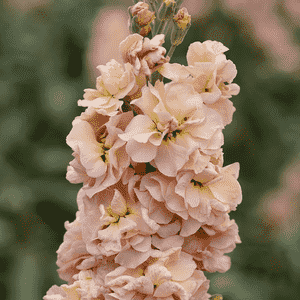
Tenweeks stock flowers splendidly in Spring and Winter.
2
Transplanting aids in avoiding root constriction and encourages more robust plant development.
3
Employing the appropriate soil blend is vital for sustaining vigorous roots.
Reasons to Replant Tenweeks Stock
Identify Indications of a Root-Bound Specimen
A primary reason to replant your Tenweeks stock is to prevent it from becoming root-bound. A root-bound plant will exhibit roots that are densely packed and circling the pot's interior. This can impede the plant's capacity to absorb nutrients effectively. Common indicators include roots visibly emerging from drainage holes, stunted growth, and yellowing foliage.
Advantages of Replanting for Plant Vitality
Replanting offers several benefits for your Tenweeks stock. Firstly, it provides the roots with more space to expand, which can result in a healthier and more robust plant. It also allows you to refresh the growing medium, supplying new nutrients that can stimulate flowering and overall development. Furthermore, replanting can prevent diseases that might arise in old, depleted soil.
Optimal Timing for Replanting
Determine the Best Season for Replanting
The ideal period to replant your Tenweeks stock is during Spring or Winter. In these seasons, the plant is either actively growing or dormant, making the relocation less stressful. Replanting at these times promotes optimal growth and blooming when the active growing period commences.
Signals Indicating a Need for Replanting
Beyond the obvious signs of a root-bound plant, other cues that it's time to replant include the soil drying out more rapidly than usual, the plant appearing top-heavy, or noticeable gaps between the soil and the pot's edges. If you observe these signs, it's time to provide your Tenweeks stock with a new container.
Choosing the Appropriate Container and Substrate for Tenweeks Stock
Selecting a Container That Fosters Development
Choosing the correct container is vital for the healthy development of your Tenweeks stock. Opt for a pot that is 1-2 inches (2.5-5 cm) larger in diameter than its current one. Ensure the pot has ample drainage holes to prevent water from accumulating around the roots, which can lead to root rot. Terracotta pots are an excellent choice as they are porous and allow better air circulation around the roots.
Ideal Soil Mixture for Robust Roots
The soil mixture you utilize is equally important. For Tenweeks stock, a well-draining, slightly acidic to neutral soil blend performs best. You can use a standard potting mix with added perlite or sand to enhance drainage. This setup helps avoid excessively wet conditions that can suffocate the roots and impede growth.
Step-by-Step Guide to Replanting Tenweeks Stock
Prepare Your Work Area and Supplies
Before you start, gather all necessary items: a new container, suitable soil mix, a small hand trowel, and protective gloves. Clear a space where you can comfortably manage the plant and avoid creating a mess. Ensure everything is within reach to streamline the replanting process.
Gently Extract the Plant from Its Current Container
Carefully remove the Tenweeks stock from its existing pot. You can achieve this by tilting the pot sideways and gently pulling the plant out by the stem's base. If it's stuck, gently compress the pot's sides or use a knife to loosen the soil.
Examine and Prune Roots as Needed
Inspect the roots once the plant is out. Trim any overly long or damaged roots to encourage new growth. Use clean shears or pruning scissors to prevent contaminating the plant. Be careful not to remove more than one-third of the root mass.
Position Tenweeks Stock in the New Container and Add Soil
Place your Tenweeks stock in the center of the new pot, ensuring the roots are comfortably spread. Gradually add the new soil around the roots, filling the pot and gently pressing down to eliminate air pockets. The top of the root ball should sit approximately 1-2 inches (2.5-5 cm) below the pot's rim.
Water Thoroughly and Maintain Proper Care
After replanting, water the plant thoroughly until water drains from the bottom. This helps settle the soil and provides the roots with the moisture they need to begin adapting to their new environment. Place the plant in a location with appropriate light, and avoid direct sunlight for a few days to reduce transplant shock.
Post-Replanting Care Recommendations
Irrigation and Fertilization Regimen
Continue to water your Tenweeks stock when the top inch (2.5 cm) of soil feels dry to the touch. Avoid excessive watering, as this can lead to root rot. Additionally, initiate a light fertilization schedule, using a balanced, water-soluble fertilizer every 4-6 weeks during the growing season to encourage vibrant blooms and healthy development.
Monitoring Development and Health
Closely observe your plant in the weeks following replanting. Look for any signs of stress, such as wilting or discoloration, and adjust care as necessary. Ensure the plant receives adequate light and monitor for pests. By providing consistent care, your Tenweeks stock will flourish in its new setting.



