Boost Growth: How and When to Repot Your Maypop Plant
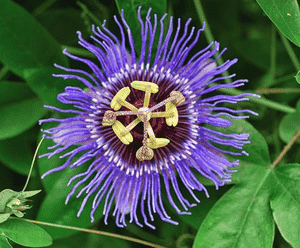
1
Best Time: Replant your Maypop during early spring for ideal outcomes.
2
Container Selection: Make sure the fresh pot includes drainage openings to avoid excessive moisture.
3
Soil Type: Maypop flourishes in soil that drains well and is rich in organic matter.
Why Replant Your Maypop?
Recognize Indicators Suggesting a Need for Replanting
Eventually, your Maypop might show particular signs that it requires replanting. Clues include roots emerging from drainage openings, soil drying out quicker than usual, or the plant becoming top-heavy and unstable. Replanting helps accommodate the expanding root system, offering more room and new nutrients.
Grasp the Advantages of Replanting for Plant Vitality
Replanting is vital for your Maypop's ongoing health. It aids in revitalizing the soil, supplying essential nutrients that support robust growth and blooming. Furthermore, giving roots more space to spread prevents root-bound conditions, where roots become tangled and stunted. Ultimately, regular replanting leads to a healthier, more vigorous plant.
Selecting the Correct Time and Supplies
Optimal Season for Replanting Maypop
The perfect time to replant your Maypop is in early spring. This timing aligns with the plant's natural growth cycle, enabling it to recover and settle into the new container before the peak growing season. Early spring offers ideal conditions for minimizing transplant shock.
Choosing the Appropriate Soil and Container
Pick a pot that is 2-3 inches (5-7.5 cm) wider in diameter than the current one, ensuring it has sufficient drainage holes to prevent waterlogging. For soil, opt for a well-draining, organic-rich mixture. You can enhance drainage by adding perlite or sand to the soil blend. A nutrient-rich potting mix supports healthy root development and improved flowering.
Step-by-Step Guide to Replanting Maypop
Step 1: Preparing Your Workspace and Implements
Start by gathering all necessary tools: a new pot, fresh soil, hand trowel, pruning shears, and water. Select a clean workspace to avoid contaminating the plant. Lay down newspapers or a tarp to catch any loose soil and make the cleanup process smoother.
Step 2: Gently Extract the Plant from Its Current Container
Hold the base of the Maypop and carefully tip the pot to slide the plant out. If the plant is stuck, softly tap the sides of the pot to loosen the soil. Carefully avoid pulling on the stem to prevent damage. If needed, you can use a knife to run around the edge of the pot to further loosen the root ball.
Step 3: Inspect and Trim the Root System If Required
Examine the roots for any indications of disease or decay. Healthy roots should be white and firm. Trim away any brown or mushy roots using sterile pruning shears. If the roots are tightly coiled, gently tease them apart to encourage outward growth.
Step 4: Position the Plant in the New Pot with Fresh Substrate
Add a layer of fresh soil to the bottom of the new pot. Place the Maypop in the center and fill around it with more soil, ensuring the plant is at the same height it was in the old pot. Lightly press the soil to eliminate air pockets but avoid packing it too tightly.
Step 5: Water Thoroughly and Place in an Optimal Location
Water the newly potted Maypop thoroughly to settle the soil. Allow excess water to drain out of the bottom. Place the plant in a bright, well-lit area, avoiding direct harsh sunlight initially to reduce transplant shock. Gradually introduce it to its usual sunlight exposure.
Aftercare: Ensuring a Smooth Transition
Monitoring Moisture Requirements Post-Replanting
After replanting, monitor the watering closely. The Maypop may require slightly more frequent watering until it establishes itself in the new pot. Ensure the soil remains moist but not waterlogged, as too much water can lead to root rot.
Observing for Signs of Stress and Recovery
Watch the Maypop for any signs of stress, such as yellowing leaves or wilting. These can indicate over or under-watering or transplant shock. With proper care, the plant should start showing signs of new growth within a few weeks, indicating it has adjusted well to its new home.



