Boost Growth: How and When to Repot Your Japanese pittosporum Plant
1
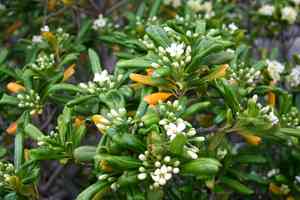
Japanese pittosporum, an evergreen shrub, flourishes when transplanted in spring or winter.
2
Adequate drainage is vital for robust root development in Japanese pittosporum.
3
Transplanting facilitates improved nutrient uptake and development for your Japanese pittosporum.
Determining the Optimal Time to Replant Japanese Pittosporum
Indicators of root bound conditions: roots emerging from container
A clear sign your Japanese pittosporum requires replanting is when roots begin to escape its current container. Observing roots protruding from drainage openings or encircling the soil surface indicates the plant is becoming root-bound, hindering its development.
Limited development or declining vitality
Should your Japanese pittosporum exhibit restricted growth or a noticeable decrease in vigor, these could be signs of nutrient deficiency resulting from confined root space. Yellowing foliage and poor new growth are key indicators that the plant needs more room to flourish.
Ideal periods for transplanting
The best time to transplant your Japanese pittosporum is during spring or winter. These periods offer milder temperatures and reduced growth activity, which helps lessen stress on the plant as it transitions to a new container.
Selecting the Appropriate Container for Your Japanese Pittosporum
Material considerations: terracotta versus plastic
The choice between terracotta and plastic containers depends on your specific requirements and the environment where your Japanese pittosporum resides. Terracotta pots are permeable, allowing air and moisture exchange, which can prevent root rot. However, they can dry out quickly. Conversely, plastic pots retain moisture longer and are lighter, making them easier to relocate.
Dimensions and drainage necessities
Select a container that is 5-10 cm (2-4 inches) wider in diameter than the existing one to accommodate future growth. Adequate drainage is crucial to prevent waterlogging, so ensure the new pot has sufficient drainage holes. You might also consider adding a layer of pebbles at the bottom to further enhance drainage.
Preparing for Transplanting
Gather essential implements and supplies
Before commencing, collect all necessary tools and materials such as a new container, fresh potting medium, protective gloves, a small shovel, and pruning shears. Having everything prepared will streamline the transplanting process and improve efficiency.
Soil mixture recommendations for Japanese pittosporum
The perfect soil blend for Japanese pittosporum is well-draining and moderately fertile. A balanced combination of potting soil, peat moss, and perlite (or sand) works effectively. This mix ensures proper aeration and moisture retention while preventing waterlogging.
Step-by-Step Guide to Replanting Japanese Pittosporum
Gently extract the plant from its previous container
Carefully remove the Japanese pittosporum from its current pot. Gently tap the sides and base of the container to loosen the soil. Tilt the plant and use your hand to support its base while slowly easing it out, minimizing any root damage.
Trimming and conditioning roots prior to planting
Examine the root system once the plant is removed. Trim away any circling, decayed, or damaged roots with sterilized pruning shears. This promotes healthy, new root development. If the roots are overly dense, gently untangle them to encourage better establishment in the fresh soil.
Positioning the plant within the new container
Place a layer of fresh soil mix at the bottom of the new pot. Center the Japanese pittosporum, ensuring it sits at the same depth as it did in the old container. Fill around the root ball with your soil mix, gently firming it to eliminate air pockets.
Post-transplanting care advice
After replanting, thoroughly water the Japanese pittosporum to help settle the soil around the roots. Place it in a shaded location for a few days to allow it to recover from the transplant shock. Continue to monitor its moisture requirements, ensuring the soil remains damp but not saturated. Gradually reintroduce it to its usual environment and light conditions.



